Is Reno, NV a Good Place to Raise a Family?
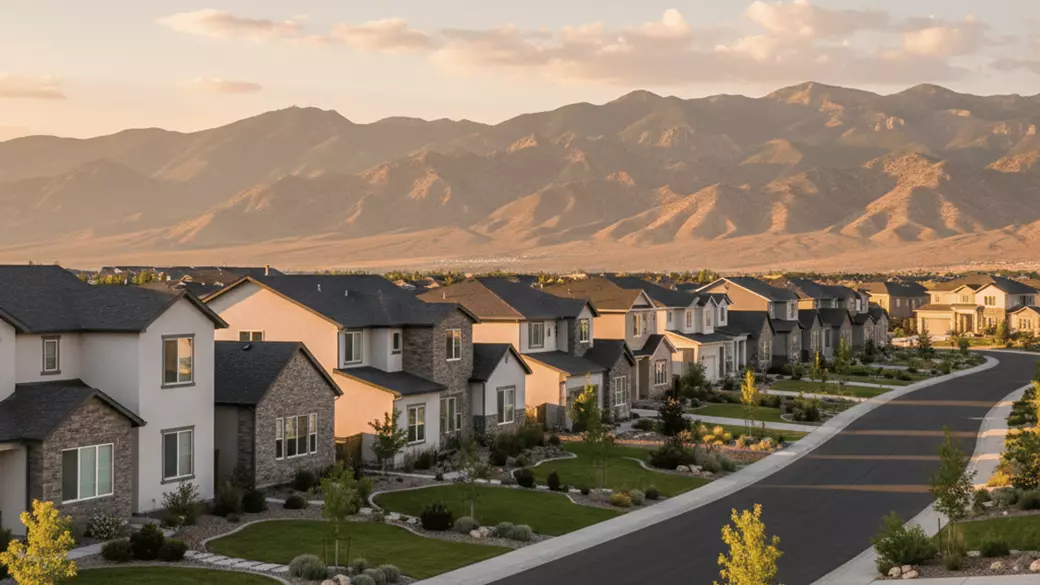
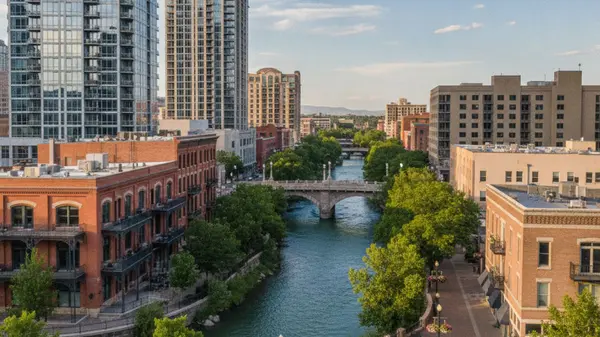
When most people hear "Reno," they used to think of neon lights and casinos. But if you’ve been looking at Northern Nevada lately, you know that reputation is outdated. Over the last decade, "The Biggest Little City in the World" has quietly transformed into a tech-forward hub with a massive backyard.
For parents, the appeal here is often about balance. You get the distinct feel of a mid-sized city—restaurants, events, and culture—without the crushing density of a major metropolis. At the same time, you are minutes away from world-class hiking, skiing, and the crystal-clear waters of Lake Tahoe. It’s a lifestyle where you can work a corporate job in the morning and be on a paddleboard by late afternoon.
Of course, moving here isn't just about fun weekends. It’s about the daily logistics: schools, safety, and your monthly budget. Reno has seen rapid growth, and with that comes rising costs and growing pains that every buyer should be aware of before packing the moving truck.
Pros and Cons of Living in Reno with Kids
Every city has its trade-offs, and Reno is no exception. Understanding the landscape early can help you decide if the lifestyle gains are worth the challenges.
On the plus side, the outdoor recreation here is genuinely incredible. We aren't just talking about a nice local park; we mean 30-minute drives to some of the best skiing and hiking in the country. Financially, the lack of state income tax is a huge relief for household budgets. You also get four distinct seasons. It snows enough to build a snowman, but it’s rarely humid or bone-chillingly cold for long stretches, and the sun comes out almost immediately after a storm.
However, there are real hurdles. Housing costs have climbed steeply, pushing the entry point for a single-family home higher than many expect. The public school system has pockets of excellence but struggles with mixed ratings overall. You also have to navigate crime statistics that look alarming on paper until you separate the tourist zones from the residential neighborhoods.
Cost of Living: Budgeting for a Family in Reno
If you are moving from the Bay Area, Reno will look like a bargain. If you are moving from the Midwest or the South, you might be in for a sticker shock. It is important to run the numbers realistically.
Housing Market Real estate drives the conversation here. The median home price in desirable areas, particularly around South Reno, often hovers around $535,000. If you are not ready to buy, the rental market is competitive, with average rents for family-sized spaces landing between $1,600 and $1,700 per month. You get more land than you would in California, but the days of bargain-bin pricing are mostly gone.
Utilities and Daily Expenses When you look at your monthly bills, the cost of living in Reno is generally 4% to 9% higher than the national average. One specific pain point is gas prices. Because of our location and regional taxes, filling up the tank usually costs more here than in many other states. On the flip side, utility bills for heating and cooling are generally moderate thanks to the dry climate.
Taxes and Childcare The silver lining for your bank account is Nevada’s tax structure. There is no state income tax, which can effectively boost your take-home pay by a significant margin compared to neighboring states. For parents with young children, childcare availability is tight, so getting on waitlists early is smart. Costs vary, but budgeting for premium daycare or preschool is necessary in this market.
Top Neighborhoods with Access to Schools and Parks
Choosing where to live in Reno dictates your lifestyle. The city layout is sprawling, and each pocket has a very different "vibe" and terrain.
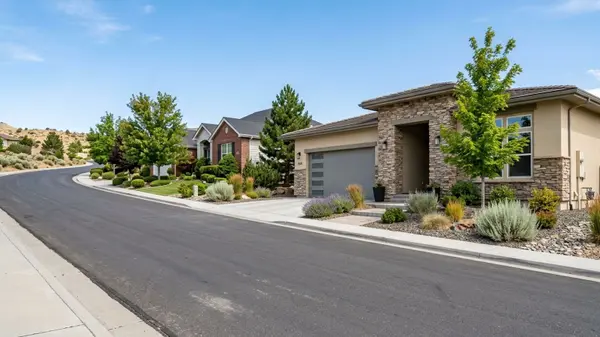
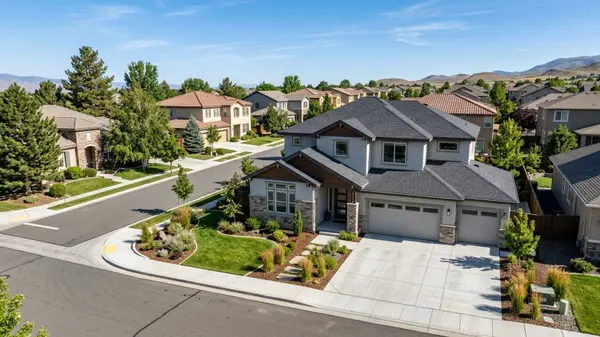
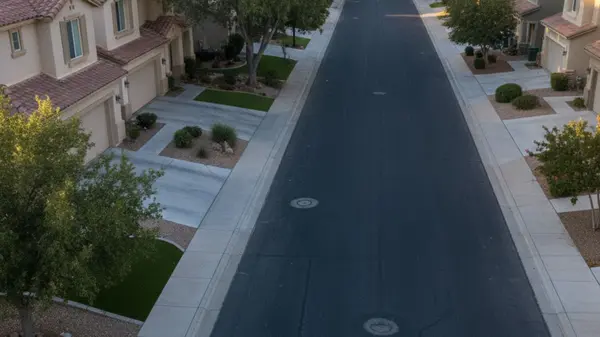
South Reno (Damonte Ranch, Double Diamond) This is often the first stop for new residents. It is largely comprised of master-planned communities with flatter terrain, which makes it great for biking and walking strollers. The housing stock is newer, and the area is zoned for some of the most sought-after schools in the district. It feels manicured and organized, with plenty of shopping centers nearby.
Northwest Reno If you prefer hills and views over flat suburban grids, look here. The terrain is more rolling, offering great views of downtown and the mountains. You are very close to Peavine Mountain trails, making it easy to hop on a mountain bike right from your garage. The homes here are a mix of established builds and newer developments.
Caughlin Ranch This is one of Reno’s most established upscale neighborhoods. It is famous for its "greenbelt" system—miles of walking paths that wind through mature landscaping and ponds. It’s quiet, set back from the city noise, and generally has very low traffic, making it a peaceful environment for evening walks.
Somersett Located on the far west side, this is a golf course community that operates almost like a town within a town. It has a massive clubhouse, pools, and amenities designed specifically for residents. It’s a bit further out from the city center, but for many, the trade-off is worth it for the resort-style living.
Navigating Schools and Education in Washoe County
Education is often the biggest question mark for parents moving here. The Washoe County School District (WCSD) serves about 64,000 students and covers a massive geographic area.
To be honest, the district has mixed ratings, often averaging in the B or C+ range on national platforms. However, district-wide stats don't tell the whole story. There are specific schools, like Ted Hunsberger Elementary or Reno High, that consistently perform at a high level. Parents here often choose their neighborhood specifically to fall into these attendance zones. It’s worth noting that the district has shown improvements recently, with gains in star ratings and proficiency during the 2026 school year.
For families who want alternatives, the charter school network is strong. Schools like Coral Academy of Science are very popular and competitive. Private options like Sage Ridge offer rigorous college-prep curriculums for those willing to pay tuition. And of course, having the University of Nevada, Reno (UNR) in town provides great access to dual-credit programs and educational summer camps for older kids.
Safety and Crime: What Parents Need to Know
When you look at crime data online, Reno can appear to have a crime rate that is 34-35% higher than the national average. It’s easy to let that number scare you, but context is everything.
Reno is a 24-hour city with a high volume of tourists. A significant portion of property crime and violent incidents are concentrated in the downtown casino corridor and specific commercial zones. The experience in suburban residential areas is completely different. Neighborhoods like Caughlin Ranch, Arrowcreek, and the outer rings of Northwest Reno report significantly lower incident rates.
That said, vehicle theft is a common issue across the city, even in nice driveways. Standard precautions—locking doors and not leaving valuables in the car—are just part of living in a growing city. If you stay out of the tourist heavy-hitters late at night, your daily life will likely feel very secure.
Outdoor Recreation and Kids' Activities
This is why you move to Reno. Access to nature isn't just a brochure slogan; it’s a daily reality.
For local fun, Rancho San Rafael Park is a massive green space that hosts the Great Reno Balloon Race. It’s great for flying kites or visiting the arboretum. Idlewild Park near the river offers train rides, rose gardens, and a popular food truck event on Fridays during the summer.
Indoors, The Discovery (Terry Lee Wells Nevada Discovery Museum) is a fantastic hands-on science center that can keep kids occupied for hours. There’s also the National Automobile Museum, which is surprisingly engaging even if you aren't a car enthusiast.
But the real magic is the day trips. You are 30 to 45 minutes away from building sandcastles at Lake Tahoe beaches or teaching your kids to ski at Mt. Rose. The ability to wake up on a Saturday, ski for four hours, and be back home for an early dinner is something very few cities can offer.
Healthcare and Transportation
When it comes to practical logistics, Reno operates like a typical western sprawling city.
Healthcare Renown Health is the dominant provider in the region. They operate the Renown Children’s Hospital, which provides a level of pediatric specialty care that you don't always find in mid-sized cities. However, like many growing regions, access to specialists can sometimes involve wait times.
Transportation Reno is a car-dependent city. While there is a public transit system (RTC), it isn't robust enough in the suburbs to rely on for school runs or grocery shopping. You will need a vehicle. The good news is that commutes are generally short—often 15 to 20 minutes to get almost anywhere. Traffic is increasing as more people move here, but it’s still nothing compared to the gridlock of larger metros.
Frequently Asked Questions
Is Reno expensive for families?
It depends on where you are coming from. With a median home price around $535,000, it is not a "cheap" market, but the lack of state income tax helps balance the budget. It is significantly more affordable than coastal California but pricier than the Midwest.
How much snow does Reno get?
Reno sits on the valley floor, not up in the mountains. We get snow several times a year, but it usually melts off the roads within a day or two. You get the beauty of winter without the constant need for chains and shovels that you’d face in Truckee or Tahoe.
Are Reno public schools good?
The Washoe County School District has mixed reviews overall, but individual schools in areas like South Reno and Northwest Reno are high-performing. Many families successfully utilize the public system by carefully selecting their housing zone, while others opt for highly-rated charter schools.
Final Verdict: Is Reno Right for Your Family?
Reno is an excellent choice for families who prioritize an active, outdoor lifestyle and want to escape the hustle of a mega-city. The proximity to Lake Tahoe and the Sierra Nevada mountains offers a childhood filled with hiking, skiing, and river days that is hard to match anywhere else.
However, it requires smart financial planning. The housing market is competitive, and finding the right school fit takes a bit of research. If you can navigate those two factors, you’ll find a community that is welcoming, scenic, and full of opportunity. The best next step is to visit a few of these neighborhoods yourself to see which one feels like home.
Categories
Recent Posts