Reno vs. Carson City: Choosing Your Northern Nevada Home
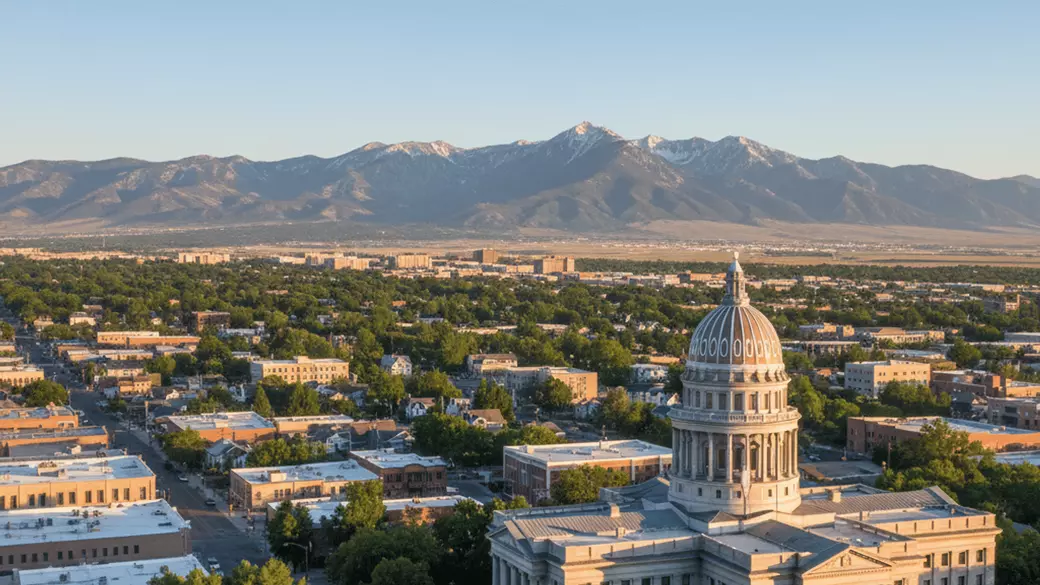
If you are looking at Northern Nevada, you’ve probably narrowed it down to Reno and Carson City. They are only about 30 miles apart, but once you spend a day in each, you’ll realize the "vibe" couldn't be more different.
Reno is the engine of the region—busy, growing, and a bit gritty in the best way. Carson City, despite being the state capital, feels much more like a classic, quiet hometown tucked against the mountains.
Lifestyle and Vibe: Urban Energy vs. Small-Town Charm
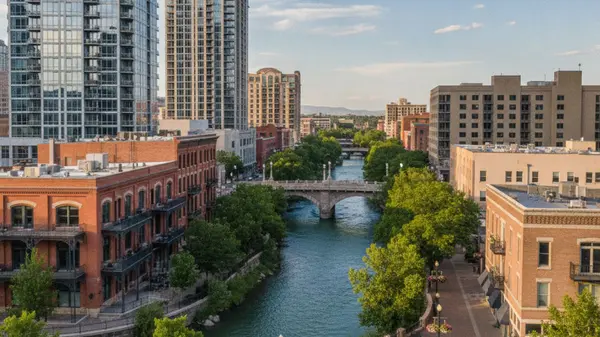
The energy shift between the two is immediate. Reno has spent the last few years leaning hard into its "Biggest Little City" renaissance. It’s no longer just a casino town; neighborhoods like Midtown are packed with local coffee shops, independent bookstores, and a massive mural scene. With the university nearby and a growing tech workforce from companies like Tesla and Panasonic, the city feels young, active, and a little loud. It’s where you go for a Saturday night concert or a midday walk along the Truckee River.
Carson City operates at a completely different speed. Life here is centered around the historic downtown and the State Capitol. It’s remarkably walkable, but instead of the neon and nightlife of Reno, you get quiet, tree-lined streets and historic blue-shingle houses. It’s the kind of place where you actually get to know your neighbors at the grocery store. For people who want to be 20 minutes from the shores of Lake Tahoe rather than 45, Carson is often the winner.
Cost of Living Comparison
When we sit down to look at the monthly budget, Carson City is generally the more affordable option, though the gap isn't massive. Typically, the overall cost of living in Carson City runs about 4–8% lower than in Reno. This is largely driven by housing costs, which we will touch on in a moment.
On the day-to-day front, utilities and groceries are very similar in price because the cities are so close geographically. You might see gas prices fluctuate slightly between the two, but rarely enough to break the bank. However, discretionary spending—dining out, cocktails, and entertainment—can add up faster in Reno simply because there are more high-end options available.
One huge perk for both locations is the tax environment. Regardless of which city you choose, you benefit from having no state income tax. Property taxes are also comparable, though they can vary slightly depending on the specific district or if you are in a special assessment district.
Housing Market: Buying and Renting
For most buyers, the decision hinges on real estate value. Reno generally commands higher prices due to higher demand and a wider variety of luxury stock. If you are looking at areas like Montreux or Arrowcreek, you are seeing the top tier of the market. The median home price in Reno typically hovers between $545K and $575K. You can certainly find starter homes for less, but the competition is stiffer.
Carson City real estate often gives you a bit more bang for your buck, specifically regarding lot size and square footage for single-family homes. The median home price here sits roughly between $470K and $550K. If you are looking for a standalone house with a yard without pushing the budget to the limit, Carson is often the more accessible market.
The rental market tells a slightly different story. Reno has a much larger inventory of apartment complexes and high-density housing, with average rents landing around $1,600 to $1,800. Carson City has fewer large apartment communities, which can actually make the rental market feel tighter there even if the prices are slightly lower, typically averaging $1,400 to $1,700.
Job Market and Economy
If you are moving here for work, your industry might dictate your location. Reno has a highly diverse economy that has shifted heavily toward technology and logistics over the last decade. With giants like Tesla, Switch, and Amazon operating nearby, plus a strong healthcare sector led by Renown Health, the job growth in Reno is aggressive.
Carson City’s economy is anchored by the State of Nevada government jobs, which provides a very stable economic base. Manufacturing is also huge here, with companies like Click Bond being major employers.
A very common trend we see is the "split" lifestyle. Many residents prefer living in Carson City for the lower cost of housing and quieter vibe, but they commute to jobs in Reno or at the Tahoe-Reno Industrial Center (TRIC). Because the cities are connected by a fast moving freeway, this is a very manageable daily routine.
Schools and Healthcare
When looking at education, the Washoe County School District serves Reno and is quite large, offering a variety of specialized academies and charter options. It’s a big system with a lot of resources. In contrast, the Carson City School District is smaller, which many residents feel fosters a stronger sense of community and accessibility to administration and teachers.
For higher education, Reno is the clear hub, hosting the University of Nevada, Reno (UNR) and Truckee Meadows Community College (TMCC). Carson City is home to Western Nevada College (WNC), which is excellent but offers a different scope of programs compared to the university.
Healthcare access is solid in both, but different in scale. Reno serves as the regional trauma hub for Northern Nevada with Renown Regional Medical Center. If you need highly specialized care, Reno is usually the destination. However, Carson City is well-served by Carson Tahoe Health, a robust regional medical center that handles the vast majority of medical needs without requiring a drive north.
Outdoor Recreation and Proximity to Tahoe
This is where the debate often gets fun: which version of Lake Tahoe do you prefer? If you live in Carson City, you are practically neighbors with South Lake Tahoe. A drive up Highway 50 gets you to the lake in about 25–30 minutes.
This makes Carson the ideal base camp for skiers who love Heavenly or Kirkwood, or for summer hikers heading to the Desolation Wilderness.
Reno, geographically, is oriented toward North Lake Tahoe and Truckee. Taking I-80 or the Mt. Rose Highway puts you on the north shore in about 35–45 minutes. This means living in Reno gives you easier access to Palisades Tahoe, Northstar, and the Mt. Rose Ski Tahoe resort.
Locally, both cities have great amenities. Reno boasts the Truckee River Walk and massive parks like Rancho San Rafael. Carson City has incredible access to the foothills, with trails like Ash Canyon right on the edge of town, making it very easy to go from your front door to a trail within minutes.
Traffic, Commuting, and Transportation
Getting between these two cities has never been easier thanks to the I-580 extension. The drive between Reno and Carson City is a smooth, scenic 30 to 40 minutes, bridging the gap for commuters and day-trippers.
Inside the cities, however, traffic differs. Reno deals with genuine rush hour congestion, particularly around the "Spaghetti Bowl" where I-80 and I-580 intersect. If you are commuting from the suburbs into downtown Reno, you will need to budget extra time.
Carson City generally has lighter traffic. You might hit some slowdowns on the main thoroughfares during peak times, but gridlock is rare. One major logistical factor to keep in mind is air travel. The Reno-Tahoe International Airport (RNO) is located in the heart of Reno. If you live in Carson and fly frequently, you will need to factor in that 30-minute drive to the terminal.
Summary: Pros and Cons
To wrap things up, here is a quick look at how the two stack up against each other.
Reno
- Pros: booming job market, diverse nightlife and dining, immediate airport access, and more shopping options.
- Cons: Higher housing costs, heavier traffic, and a busier, noisier environment.
Carson City
- Pros: Lower cost of living, distinct small-town community feel, very close to South Lake Tahoe, and minimal traffic.
- Cons: Fewer entertainment and nightlife options, a smaller job market outside of government/manufacturing, and a tighter rental inventory.
Frequently Asked Questions
Is it cheaper to live in Reno or Carson City?
Yes, generally speaking, Carson City is cheaper. Housing costs are typically 5–15% lower than in Reno, and overall cost of living runs about 4–8% less, though utility and grocery costs are roughly the same in both areas.
How far is the drive from Carson City to Reno?
The drive is about 30 miles and takes roughly 30 to 40 minutes via the I-580 freeway. It is a very common commute for people who live in Carson City but work in Reno or at the nearby industrial centers.
Which city is better for outdoor activities?
It depends on where you want to play. Carson City offers faster access to South Lake Tahoe, Heavenly Ski Resort, and Kirkwood, while Reno is better positioned for trips to North Lake Tahoe, Truckee, and Mt. Rose.
Categories
Recent Posts