Living in Reno: What is the Average Rent in Early 2026?
If you’ve been keeping an eye on the Northern Nevada housing market over the last few years, you know it has been a bit of a rollercoaster. Between the tech boom and the influx of new residents from neighboring states, prices jumped quickly. However, as we settle into early 2026, the dust is finally starting to settle.
Whether you are a student heading to the university, a remote worker escaping the California cost of living, or just looking to relocate within the "Biggest Little City," understanding the rental landscape right now is crucial for your budget. The market has shifted from a landlord's game to a much more balanced playing field.
Here is a realistic look at the average rent in Reno, NV, and what you can expect to pay depending on where—and how—you choose to live.
Current Average Rent in Reno, NV (Early 2026)
Let's get straight to the numbers. As of early 2026, the average rent for an apartment in Reno generally lands between $1,450 and $1,750 per month. While you will see variations depending on whether you are looking at a brand-new luxury complex or an older garden-style walk-up, this range is a solid baseline for your moving to Reno guide.
The most interesting trend we are seeing right now is stability. After years of sharp spikes, year-over-year growth has slowed significantly, hovering around 0.7% to 3%. We aren't seeing those double-digit hikes anymore. In fact, in some pockets of the city, prices have flatlined or even dipped slightly as demand normalizes.
Another factor working in your favor is the "market temperature." The vacancy rate has crept up to around 11–12%. In plain English, that means there are more empty units sitting on the market than there were two years ago. When vacancy rates rise, landlords have to work harder to attract tenants, which often translates to more options and better leverage for you.
Reno Rental Prices by Unit Size
Of course, an "overall average" can be misleading if you are looking for a specific lifestyle. A solo renter looking for a studio has a very different budget than a household needing three bedrooms.
Here is how the costs break down by size:
- Studio Apartments: If you are strictly budget-conscious or living minimalistically, studios are your entry point. You can typically find these for $1,150 – $1,200. They are popular with students and service industry workers who prioritize location over square footage.
- 1-Bedroom Apartments: This is the standard metric for most solo professionals. For a decent one-bedroom unit that offers a balance of privacy and cost, expect to budget between $1,350 and $1,520.
- 2-Bedroom Apartments: If you have a roommate or need a home office, the jump in price is often worth it. These units usually run from $1,550 to $1,800. Splitting a two-bedroom is often the most financial savvy move, dropping your per-person rent significantly below the cost of a studio.
- 3-Bedroom+ Units: These are rare in standard apartment complexes. When you do find them, they are often priced upwards of $2,300, putting them in direct competition with single-family home rentals.
Neighborhood Breakdown: Where is Rent Cheapest and Most Expensive?
Reno is a city of distinct pockets, and moving just a few miles can change your rent by hundreds of dollars. When you are scouting the best neighborhoods in Reno, you’ll notice a clear divide between the established, high-demand areas and the more budget-friendly zones.
The most expensive rentals are typically found in West University, Southeast Reno, and South Meadows. West University commands a premium due to its proximity to campus and high demand from students. South Meadows, on the other hand, is full of newer, luxury apartment communities with extensive amenities, pushing rents into the $2,000+ range for premium units.
If you are looking for a middle ground, Downtown Reno and Midtown are trendy options. Prices here are mixed; you might find a renovated loft that is quite pricey, or an older building that offers great value for being in the center of the action.
For the most affordable rents, look toward Wells Avenue, Academy Manor, and the older sections of Northeast Reno. These areas often feature "middle housing"—duplexes and older four-plexes—where rents can still be found in the $1,000 – $1,300 range. It is also worth considering living in Sparks NV. Just next door, Sparks often offers slightly more square footage for your money, though the gap between the two cities is narrowing.
Single-Family Homes vs. Apartments
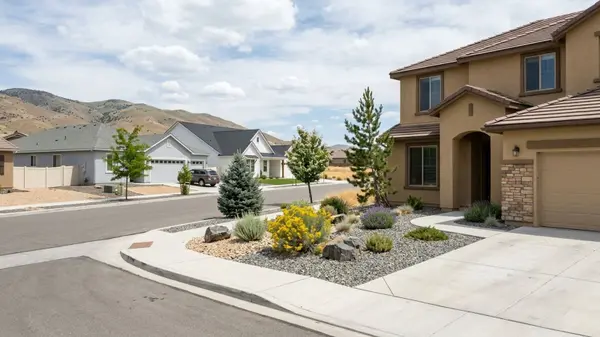
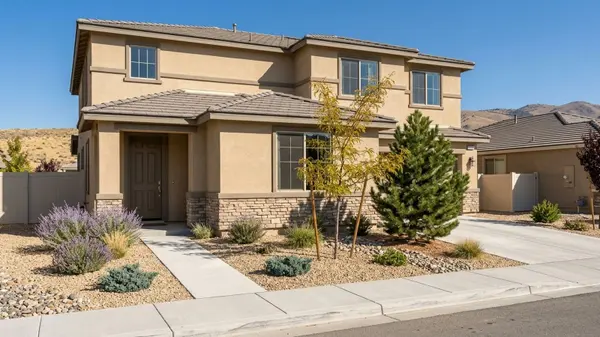
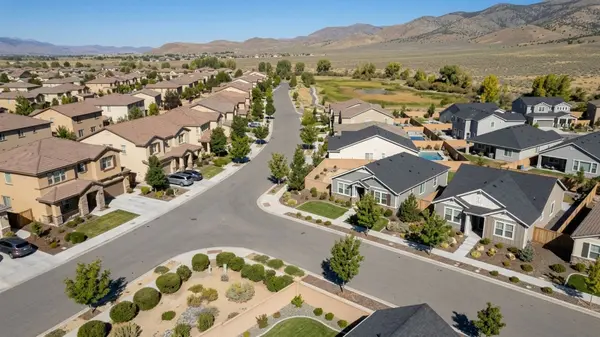
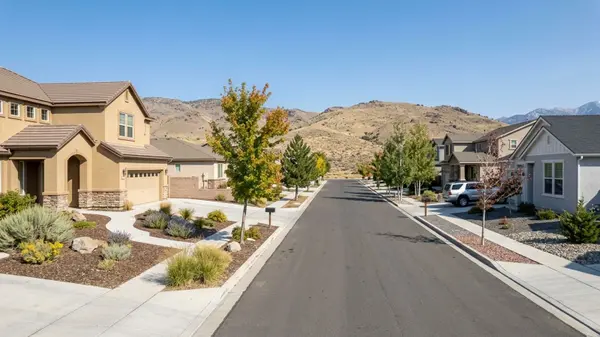
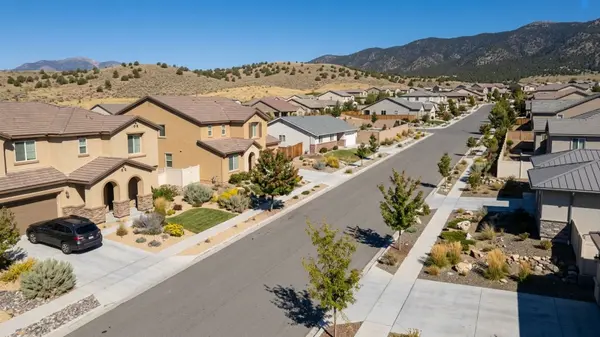
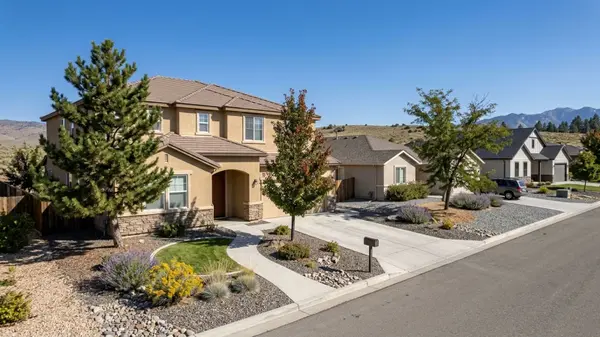
If you are hoping to rent a house rather than an apartment, be prepared for a different market entirely. The median rent for a single-family home in Reno is hovering around $1,950, which is a significant jump from the average apartment cost.
The gap between a two-bedroom apartment and a standard house is usually about $300 to $500 per month. Demand for houses is driven heavily by remote workers needing dedicated office space and households wanting a yard for pets or gardening. Because inventory for rental homes is tighter than it is for apartments, you might face more competition when applying for a well-priced house in a good location.
However, renting a house comes with trade-offs. While you gain privacy and driveway space, you are often responsible for higher utility bills (heating a whole house in winter adds up) and exterior maintenance like snow removal or weed abatement.
Reno Rent vs. Region and Nation
Context is everything. If you are moving from the Bay Area, Reno looks like a bargain. If you are moving from the rural Midwest, it might look steep.
Nationally, Reno is currently priced near or slightly below the national average of roughly $1,600–$1,700. For a mid-sized city with decent amenities and access to the outdoors, this makes it fairly competitive.
The most common comparison we see is the Reno vs Las Vegas cost of living. It surprises many people to learn that Reno is generally more expensive than Las Vegas. On average, Vegas rentals are about 10% to 15% cheaper than Reno. This is largely due to Las Vegas having a much deeper supply of housing inventory.
However, compared to Sacramento or the Bay Area, Reno remains a financial haven. You are still paying significantly less here than you would for comparable housing across the state line in California.
Beyond the Rent Check: Hidden Costs of Living in Reno
When you are calculating your monthly budget, don't stop at the rent price. The cost of living in Nevada includes a few specific expenses that renters sometimes overlook until the first bill arrives.
- Utilities: NV Energy covers most of the region. Because we have high-desert distinct seasons (hot summers and actual snowy winters), your bill will fluctuate. You will be running A/C in July and the heater in January.
- Parking: If you choose to live in Midtown or Downtown, verify the parking situation. Many buildings charge extra for a dedicated garage spot, whereas suburban complexes in South Meadows usually include parking in the base rent.
- Pet Fees: Reno is very pet-friendly, but it costs money. Expect a monthly "pet rent" of roughly $25–$50 per pet, plus a non-refundable deposit.
- Deposits & Admin: Standard security deposits usually equal one month's rent. With vacancy rates rising, you might see fewer "admin fees," but you should still budget for application costs.
Market Forecast: What to Expect in 2026
If you are planning a move later this year, the forecast looks promising for renters. We are currently seeing a "supply surge" as several large multi-family construction projects that broke ground a few years ago are finally opening their doors.
This influx of new units is keeping prices stable. We expect rents to remain relatively flat or see very minor growth throughout 2026. You likely won't see prices drop drastically, but they shouldn't spike either.
This supply increase has also brought back concessions. It is becoming common again to see "move-in specials," such as one month of free rent or waived security deposits, as landlords compete to fill these new buildings. Keep an eye out for these deals, especially during the winter months (November through February), when moving activity—and prices—traditionally dip.
Tips for Finding Affordable Rent in Reno
Finding a deal in this market is about strategy. Here is how a local would approach the hunt:
- Time it right: If you can control your move date, search during the winter. Nobody likes moving a couch in the snow, so competition drops, and landlords are more willing to negotiate rates.
- Check "Middle Housing": Don't just look at the big luxury complexes on the main websites. Drive around neighborhoods like Wells Avenue or older parts of Sparks to find "For Rent" signs on duplexes. private landlords often charge less than corporate-managed communities.
- Verify the amenities: If a complex charges a "luxury" premium, make sure you will actually use the pool, gym, or clubhouse. If not, you can save $200+ a month by finding a simpler complex without the bells and whistles.
- Negotiate: With the vacancy rate sitting around 11%, you have leverage. If a unit has been sitting for a few weeks, ask if they will waive the application fee or include a parking spot for free.
Frequently Asked Questions
Is rent expensive in Reno, Nevada?
"Expensive" is relative, but Reno is currently considered a balanced market. While it is pricier than some rural areas or Las Vegas, it remains significantly more affordable than nearby California cities and hovers close to the national average.
How much do I need to make to live in Reno?
Most property managers require you to earn three times the monthly rent before taxes. Based on the average rent of roughly $1,500 for a one-bedroom, you should aim for a gross monthly income of about $4,500, or an annual salary of $54,000.
Is it cheaper to rent in Reno or Las Vegas?
It is generally cheaper to rent in Las Vegas. Due to a larger supply of housing and apartment complexes, rent in Las Vegas is typically about 13% lower than in Reno.
Why is rent going up in Reno?
While prices have stabilized recently, the long-term increase was driven by a housing shortage combined with a strong economy and population growth. High demand from people moving to Nevada for jobs or tax benefits outpaced the construction of new homes for several years.
Categories
Recent Posts