Reno, Nevada Housing Market Insights: A Complete Guide for 2026
The landscape of Northern Nevada real estate has shifted significantly over the past few years, requiring buyers and sellers to adjust their strategies. Moving through the spring of 2026, local property dynamics are stabilizing into a more predictable rhythm. Buyers now have slightly more breathing room to evaluate properties, while sellers can still command strong offers if they price their homes correctly.
Understanding these shifts is essential for anyone looking to make a move in Washoe County this year. Whether you are searching for a high-density urban townhouse or a spacious suburban lot, knowing the current data will give you a distinct advantage.
Reno, Nevada Housing Market: 2026 Prices and Inventory Trends
Evaluating the current Reno, Nevada housing market reveals a stabilizing pricing environment. The median home sale price across the city is holding steady at approximately $547,000 as of spring 2026. This figure represents a more balanced market compared to the intense bidding wars seen in previous years.
Active housing inventory currently sits at an estimated 2.0 to 2.9-month supply. This level of housing supply provides buyers with a wider selection of properties without tipping the scales into a massive oversupply.
Properties are currently spending an average of 60 days on the market before closing. This timeline gives buyers the necessary window to conduct proper inspections and secure financing. Sellers who understand this pacing can avoid the panic of immediate price reductions when an offer does not materialize on the first weekend.
Reno Real Estate Market Forecast 2026
Looking ahead through the remainder of the year, industry projections point toward a modest appreciation of roughly 2% to 4%. This steady growth is largely fueled by sustained population growth and ongoing corporate expansion in the region. Mortgage interest rate fluctuations will continue to dictate purchasing power, meaning buyers should lock in rates strategically.
A significant portion of local housing demand is sustained by migration from more expensive metro areas. Buyers relocating from cities like San Francisco, CA and Seattle, WA view the local median price as highly attractive. This continuous influx of new residents ensures that well-priced homes will rarely sit vacant for long.
Neighborhood Breakdown: South Reno to Midtown
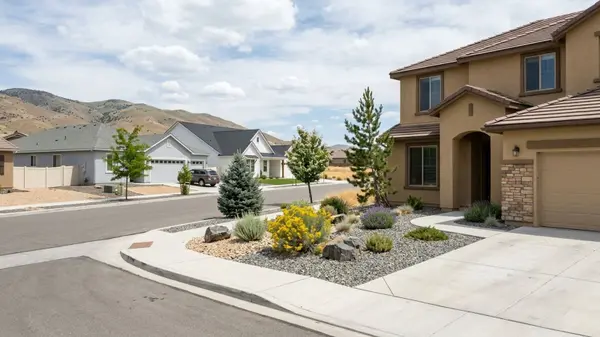
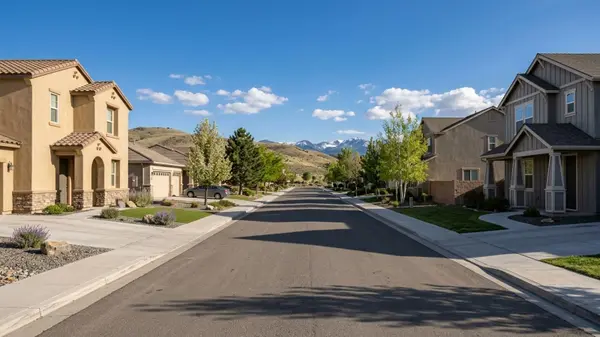
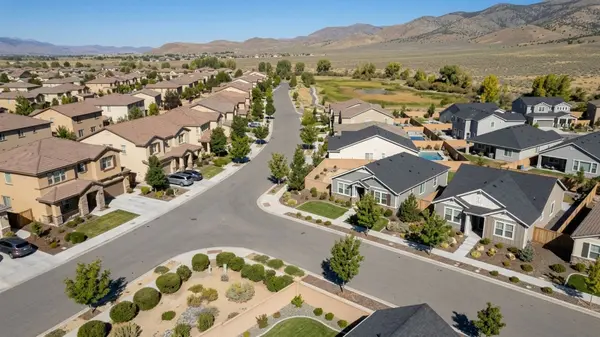
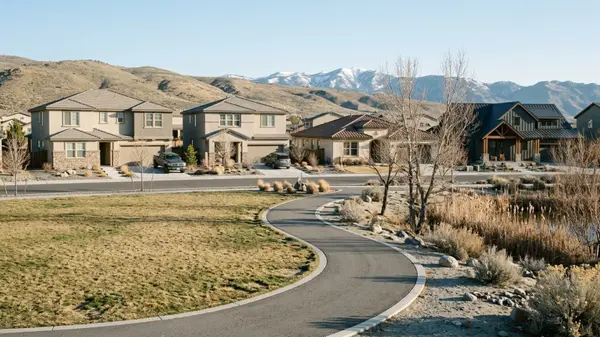
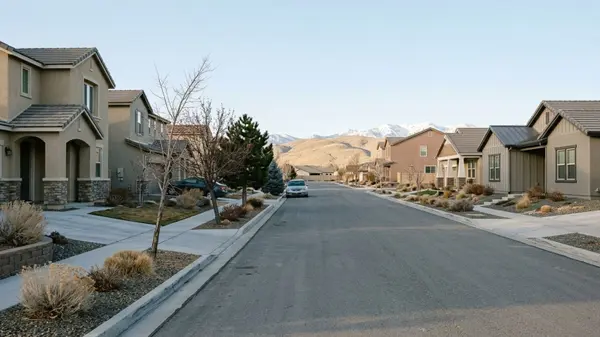
The architectural landscape across the city varies dramatically depending on the specific zip code. South Reno features predominantly single-family homes situated within master-planned developments. Properties in this southern corridor, particularly within the 89511 and 89521 zip codes, command a higher premium with a median closed price of roughly $816,500.
Moving closer to the urban core, Midtown and Downtown Reno offer a completely different lifestyle footprint. These central districts provide higher density housing options, including modernized condominiums and attached townhouses.
Buyers must weigh the benefits of expansive suburban lots against the convenience of walkable urban properties. Those prioritizing square footage often lean toward the southern developments, while buyers seeking minimal commute times gravitate toward the city center. Each sector of the market operates with slightly different pricing strategies.
Washoe County Property Tax Rates and Holding Costs
Understanding local holding costs is a crucial step for any prospective property owner. The City of Reno features a combined property tax rate of approximately $3.66 per $100 of assessed value. Nevada, however, assesses property at exactly 35% of its taxable value, which helps shield homeowners from direct market-value tax burdens.
Homeowners also benefit from a strict 3% annual property tax cap on primary residences. This legislative cap provides excellent long-term predictability for monthly holding costs regardless of future market appreciation. Additionally, the complete absence of a state income tax in NV effectively lowers the overall cost of living for incoming residents.
Infrastructure, Transit, and Employment Hubs
Efficient infrastructure plays a major role in the sustained demand for local real estate. Interstate 80 and US-395 form the structural backbone of the regional transit and logistics networks, allowing for streamlined navigation across the entire Truckee Meadows region.
Despite ongoing population growth, average commute times remain comparatively low against national averages. Residents can typically traverse the city in under thirty minutes, making most residential neighborhoods highly accessible. This ease of movement is a major selling point for individuals relocating from heavily congested urban centers.
Close proximity to major industrial, tech, and corporate employment hubs drives consistent residential demand. Large-scale manufacturing and technology centers located just outside the city limits continue to attract a skilled workforce. Neighborhoods with the most direct highway access to these employment centers often see the fastest property turnover.
Access to Public Services and Healthcare
The distribution of municipal services heavily influences property valuations across the county. Residential areas are primarily zoned under the Washoe County School District, which manages over 90 educational campuses. Buyers often research specific zoning boundaries closely when selecting their preferred neighborhoods.
Access to comprehensive medical care is another critical factor for local residents. Renown Regional Medical Center serves as a primary healthcare hub and operates as a level II trauma center for Northern Nevada. The facility provides extensive specialized care, reducing the need for residents to travel out of state for medical procedures.
Housing locations are generally well-distributed around essential county infrastructure. Dedicated fire districts, police substations, and emergency response services are strategically positioned to cover both dense urban grids and sprawling suburban developments. This organized infrastructure grid ensures consistent service delivery regardless of the specific zip code.
Recreation, Amenities, and the Sierra Nevada
The geographic positioning of the city offers unparalleled access to outdoor amenities. Lake Tahoe and the surrounding Sierra Nevada mountains are located within a brief 45-minute drive from the city center. This proximity provides residents with immediate access to world-class ski resorts and year-round alpine recreation.
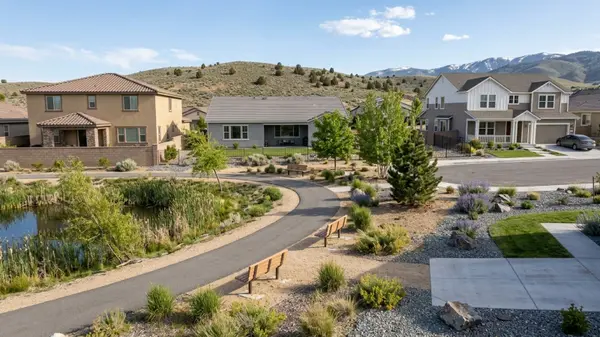
For those looking to stay within the city limits, Rancho San Rafael Regional Park provides extensive green space and miles of maintained trails. Properties located within walking distance of these municipal parks often maintain strong resale value.
Local shopping centers and retail districts are tightly integrated with both established and newly developed neighborhoods. From sprawling outdoor retail complexes in the south to boutique shopping in the urban core, residents rarely have to travel far for daily necessities. This balanced mix of natural amenities and commercial convenience makes the region highly attractive.
Frequently Asked Questions
Are home prices dropping in Reno, NV?
Prices are currently holding steady rather than experiencing significant drops. As of spring 2026, the median home sale price remains stable at roughly $547,000. While the frantic bidding wars of past years have cooled, steady demand has prevented any steep decline in property values.
Is Reno currently a buyer's or seller's market?
The local market is currently transitioning into a more balanced state, though it still slightly favors sellers. With active inventory sitting between a 2.0 and 2.9-month supply, buyers have more options to choose from. However, appropriately priced homes still move efficiently at an average of 60 days on the market.
What is the real estate forecast for Reno in 2026?
Market analysts project a modest appreciation rate of 2% to 4% through the end of the year. This steady growth is supported by continued migration from expensive coastal cities and consistent local job creation. Interest rate movements will remain the primary variable affecting overall buyer affordability.
Categories
Recent Posts