Evaluating a Move: The Realities of Living in Reno Nevada in 2026
Reno has evolved significantly from its historical reputation as a gaming town, transforming into a primary hub for logistics, technology, and outdoor recreation. Buyers evaluating the northern Nevada market often find themselves weighing the financial benefits of the state against the realities of a constrained housing inventory.
Understanding the local landscape requires looking past the tourist corridors to see how daily life actually functions. From the specific commute patterns around the I-80 and I-580 interchange to the practical impact of having no state income tax, relocating here demands a clear assessment of current economic and geographic factors.
The Reality of the Cost of Living in Reno
The financial equation of moving to Washoe County involves balancing higher housing expenses with distinct tax advantages. As of 2026, the overall cost of living runs roughly 4 to 9 percent above the national average, a figure driven almost entirely by the local real estate market. Buyers coming from coastal CA often perceive this as a discount, while those arriving from the Midwest typically experience a noticeable increase in daily expenses.
Fortunately, the lack of a state income tax in NV provides a tangible financial benefit that offsets some of these higher baseline costs. Inbound residents immediately retain a larger portion of their paychecks, which often changes their initial housing budget calculations. Furthermore, local utility costs consistently run about 15 to 20 percent below the national average, providing some relief when budgeting for monthly homeownership expenses.
Everyday expenses like groceries and local transportation remain relatively comparable to other mid-sized western cities. The clearest takeaway for anyone evaluating this market is that the tax advantages are substantial, but they must be carefully weighed against the premium required to secure housing.
A Breakdown of the Reno Housing Market
The residential real estate market in Washoe County has stabilized after several years of rapid shifts, establishing a new baseline for buyers. The median home price currently hovers around $565,000, reflecting sustained demand and a steady, though limited, supply of new construction. For those looking to lease before buying, average apartment rents range between $1,450 and $1,750 per month depending on proximity to the urban core.
Property taxes in Washoe County are assessed based on a unique depreciation formula, which generally keeps ongoing tax burdens lower than in neighboring states. State law caps the annual increase on property tax bills for primary residences at 3 percent, providing predictable long-term carrying costs. Navigating this market requires decisive action, as well-priced homes in established corridors still move quickly.
Exploring Midtown and Downtown Reno
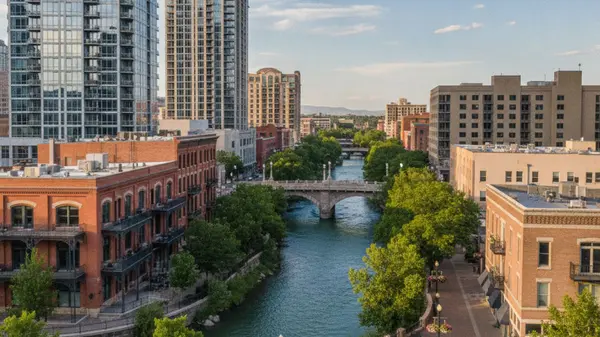
The urban core offers a dense, highly walkable environment characterized by historic brick bungalows and newly developed modern condos. This area provides immediate access to the Truckee River Walk, a central corridor lined with local dining and retail venues.
Transit in this sector is highly efficient, largely due to the RTC Washoe Virginia Line. This rapid transit route connects the downtown grid directly to the southern retail hubs, reducing the need for daily driving.
Property Trends in South Reno
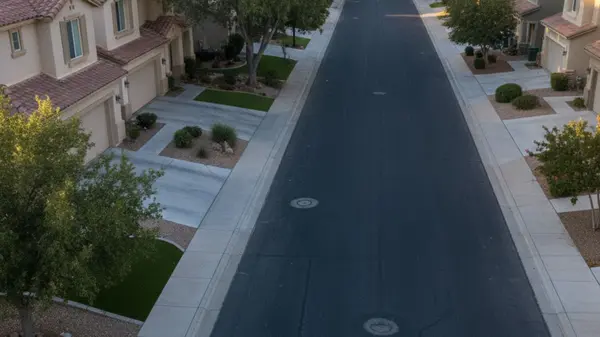
Moving away from the city center, the southern sector is defined by newer master-planned communities and larger residential lot sizes. Developments here often feature extensive trail networks and immediate proximity to major retail centers and medical facilities.
The primary advantage of this area is the direct access to I-580. This highway configuration allows for a straightforward commute toward Carson City to the south or back into the downtown grid.
Residential Life in Northwest Reno
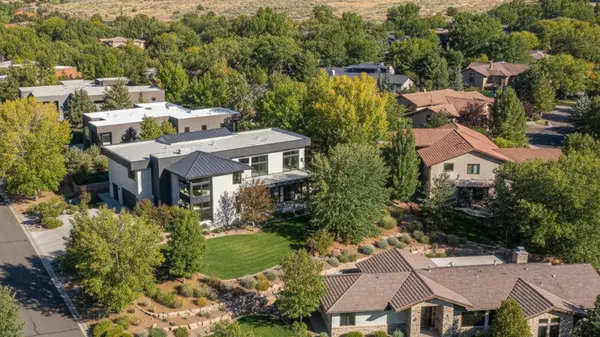
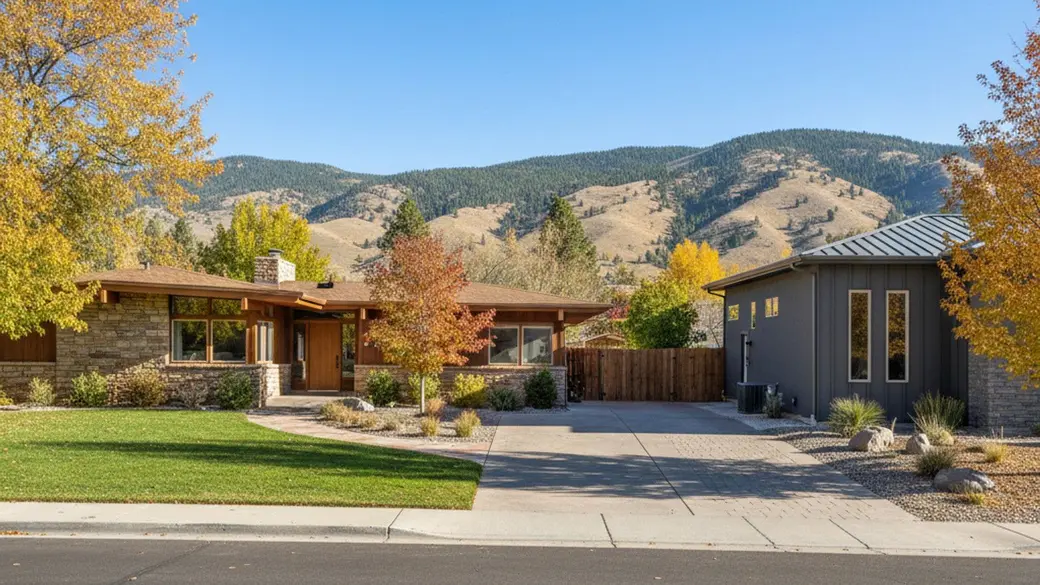
The northwestern quadrant is known for its established architectural styles, mature landscaping, and placement right against the Sierra Nevada foothills. Properties here range from mid-century builds to expansive custom homes with varied topography.
Residents benefit from close proximity to the University of Nevada, Reno, as well as immediate access to numerous outdoor trailheads. Travel is streamlined by easy on-ramps to I-80, facilitating quick westward trips toward the state line.
Employment Hubs and Commuting Logistics
The local economy is anchored by robust logistics, technology, and healthcare sectors, which have fundamentally reshaped the regional job market. Major industrial parks east of Sparks, NV, house fulfillment centers and advanced manufacturing facilities, drawing a steady influx of new residents. This economic diversification provides a strong foundation for long-term real estate investment in the region.
Navigating the valley is generally efficient, with an average commute time of just 20 to 22 minutes. Traffic patterns heavily depend on the I-80 and I-580 interchange - locally known as the Spaghetti Bowl - which serves as the primary artery connecting the different quadrants of the city. For those utilizing public transportation, the RTC Washoe FlexRIDE micro-transit system offers flexible, on-demand routing in areas outside the standard bus lines.
Local Infrastructure, Healthcare, and Education
Evaluating community infrastructure is a crucial step for any buyer relocating to Northern Nevada. The Washoe County School District serves the entire metropolitan area, operating a wide network of primary and secondary facilities. The district boundaries cover a massive geographic area, meaning school assignments can vary significantly even within the same zip code.
Healthcare access is a major draw, anchored by Renown Regional Medical Center, which serves as both a primary care hub and one of the largest employers in the region. On the recreational infrastructure side, Rancho San Rafael Regional Park provides hundreds of acres of public space, native pastures, and arboretum trails right near the urban center. The sheer scale of these public facilities adds measurable value to the surrounding residential neighborhoods.
Outdoor Recreation and the Sierra Nevada Lifestyle
The geographic positioning of the city offers immediate access to high-elevation recreation, making the natural environment a primary driver of the local real estate market. Lake Tahoe sits just a 45 to 60 minute drive away, depending on traffic and the chosen route up the mountain passes. This proximity allows residents to access world-class skiing, hiking, and alpine beaches without paying the steep premiums of living directly in the Tahoe basin.
The local climate features four distinct seasons, though the weather patterns differ significantly from the nearby mountains. The valley floor receives minimal winter snowfall that generally melts within a day, while the adjacent Sierra Nevada peaks accumulate massive snowpacks. During the warmer months, the Truckee River serves as a central hub for kayaking, tubing, and fly fishing right through the middle of town.
Frequently Asked Questions About Living in Reno
What are winters like in Reno, NV?
The city experiences all four seasons, but winter weather on the valley floor is generally mild compared to the nearby mountains. Snowfall in the city typically melts quickly, rarely causing long-term disruptions to daily commutes. In contrast, the Sierra Nevada range just 30 miles west receives heavy accumulations that support an extensive winter sports season.
Is it cheaper to live in Reno or Las Vegas?
Las Vegas generally offers a lower overall cost of living and more accessible median home prices compared to the northern part of the state. Reno carries a higher price tag largely due to strict geographic inventory constraints and its immediate proximity to the expensive CA markets. Currently, the median home price up north sits around $565,000, which typically outpaces the southern Nevada averages.
Categories
Recent Posts