Reno vs. South Lake Tahoe: The Real Cost and Lifestyle Breakdown

Deciding between living in Reno or South Lake Tahoe isn't just about choosing between two cities; it is about choosing between two completely different lifestyles. It essentially comes down to a single question: Do you want to live near the mountains with city conveniences, or do you want to live in the mountains with a resort atmosphere?
While they are only about an hour apart, the experience of living in Reno versus South Lake Tahoe is night and day. The biggest differentiator, however, isn't just the altitude—it's the state line. Reno sits firmly in Nevada, offering distinct tax advantages, while South Lake Tahoe is primarily on the California side (though it borders the Nevada town of Stateline), bringing with it a different set of financial rules.
Cost of Living Breakdown: Is Reno Still Cheaper?
When we look at the monthly numbers, Reno almost always wins on affordability. Generally speaking, the cost of living in South Lake Tahoe runs about 15–25% higher than in Reno. This gap isn't just about housing; it shows up in your daily errands and utility bills.
Because South Lake Tahoe is a resort market, you often pay a "resort premium" on everyday goods. Groceries and dining tend to be pricier, and you don't have the same immediate access to big-box discount stores like WinCo or heavy-hitters like Costco that you find in Reno. In Reno, competitive pricing is the norm because it functions as a standard metropolitan hub rather than a vacation destination.
There are also logistical costs to consider.
- Gas: Prices in the Tahoe Basin are significantly higher, often by $0.50 to $1.00 or more per gallon compared to Reno, largely due to California’s gas taxes and the difficulty of fuel delivery to the mountains.
- Utilities: Heating a home in South Lake Tahoe is a serious financial commitment. With longer, harsher winters, heating bills can easily run 20–30% higher than in the valley.
The Tax Divide: Nevada vs. California
For many buyers, especially high-income earners or retirees, the decision starts and ends with taxes. The border between Nevada and California represents one of the sharpest fiscal divides in the country.
- Income Tax Nevada is famous for having 0% state income tax. If you are moving to Reno, what you earn is what you keep (federally speaking). In contrast, California has a graduated income tax that can climb upwards of 12.3% for high earners. For a remote worker earning a six-figure salary, moving to the Nevada side can essentially mean an immediate raise of thousands of dollars a year.
- Property Taxes The property tax landscape is also distinct. In Washoe County (Reno), property tax rates generally hover around 0.53%–0.69% of the assessed value. In South Lake Tahoe (El Dorado County), effective tax rates often sit between 0.75% and 1.1% once you account for various bonds and local assessments. While Proposition 13 in California limits how fast your assessed value can rise, the entry point is often higher.
Housing Market Comparison: Renting and Buying
Real estate is where the lifestyle difference becomes tangible. The Reno market has seen rapid appreciation, but it still offers a wider variety of inventory compared to the constrained market in the Tahoe Basin.
Buying a Home
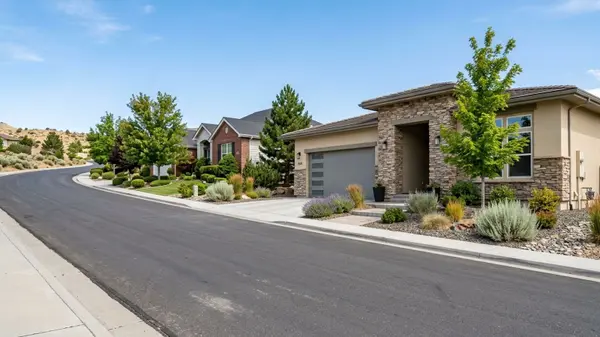
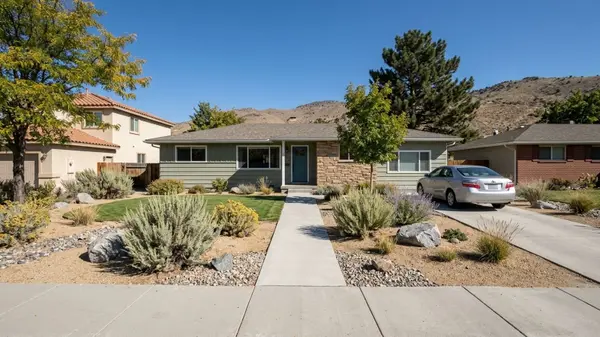
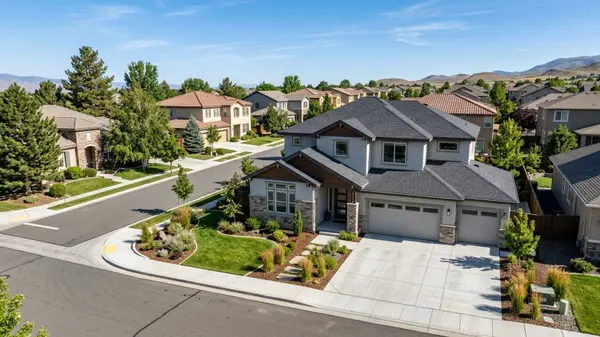
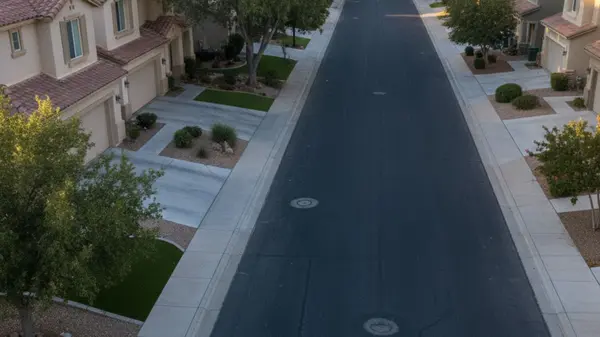
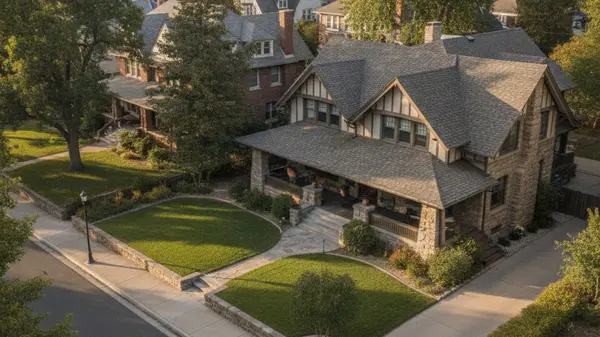
If you’re planning on moving to Reno, it's important to know that the median home price typically lands between $550,000 and $600,000. You can find everything from historic brick bungalows in Midtown to brand-new construction in master-planned communities. The market moves fast—homes often sell in roughly 60 days—but there is usually consistent inventory to choose from.
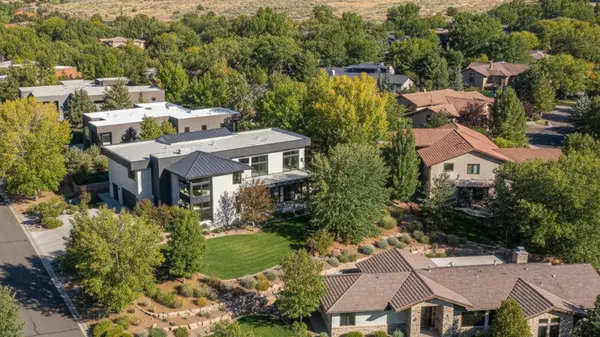
South Lake Tahoe is a different beast. Median prices here often float between $700,000 and $800,000, and what you get for that money is different. Inventory leans heavily toward older cabins, chalets, and vacation properties built in the 70s and 80s. You are also competing directly with investors looking for short-term vacation rentals, which keeps prices buoyant even when interest rates rise.
The Rental Market
If you aren't ready to buy, renting in Reno offers more modern choices. We have seen a boom in luxury apartment complexes with pools, gyms, and fiber internet. In South Lake Tahoe, long-term rentals are notoriously difficult to find. Many potential rentals are used for Airbnb, and the long-term options available are often older converted cabins or condos that command high monthly rates due to scarcity.
Outdoor Lifestyle: Backyard Access vs. Weekend Commute
This is usually the emotional driver of the move. Do you want to look at the mountains, or do you want to wake up on them?
South Lake Tahoe offers the authentic mountain town experience. You might be able to buy a home where you can walk to Heavenly Village, ski down to your neighborhood, or drive five minutes to a sandy beach at Zephyr Cove or Pope Beach. The hiking trails start practically at your front door. If your priority is skiing 50+ days a year without ever getting on a highway, this is the place.
Reno offers what I call the "Basecamp" lifestyle. You aren't in the forest, but you are close. You are typically a 35 to 50-minute drive from world-class skiing at Mt. Rose, Palisades Tahoe, or Northstar. For daily nature fixes, Reno residents use the Truckee River Walk, the expansive Rancho San Rafael Park, or high desert trails in the foothills. You sacrifice immediate ski access for easier daily logistics.
Climate & Weather: High Desert vs. Alpine Snow
Do not let the proximity fool you; the weather patterns are drastically different.
South Lake Tahoe measures snowfall in feet. An average winter might see 140+ inches of snow. Living here requires "snow management" as a part of your daily routine. You need a snowblower, a shovel, and a vehicle with AWD or 4WD is non-negotiable. If you don't clear your driveway by 7 AM, you might not get to work.
Reno, sitting on the valley floor, measures snowfall in inches—averaging around 22 inches a year. We definitely get snow, but it usually melts off the roads within 24 to 48 hours. Summers in Reno are hotter, frequently hitting the 90s, but the high desert air cools down significantly at night. South Lake Tahoe stays milder in the summer, with perfect 70s and 80s temps that draw tourists from all over the world.
City Culture, Dining, and Nightlife
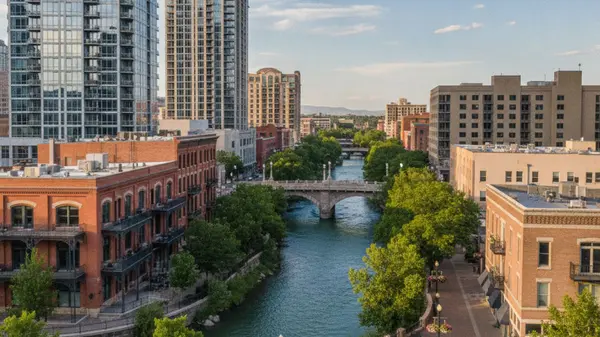
Reno has shed its old reputation and emerged as a city with a genuine local culture. The Midtown district is packed with craft breweries, cocktail bars, and a "foodie" dining scene that caters to locals, not just tourists. We have the Nevada Museum of Art, a Triple-A baseball team, and major annual events like the Great Balloon Race and the Italian Festival. Importantly, Reno has the infrastructure of a real city: major hospitals like Renown and Saint Mary's, and an international airport (RNO) that is easy to navigate.
South Lake Tahoe’s culture is more focused on tourism. The nightlife is centered around the Casino Corridor at Stateline and various tourist bars. The dining is excellent, but during peak season (summer and ski season), wait times can be long. While Barton Health provides great care in the mountains, many residents still drive to Reno or Carson City for specialized medical appointments or major shopping hauls at places like Home Depot or Trader Joe's.
Who Fits Best Where? (Demographics & Work)
Choosing the right spot often comes down to your stage of life and your work situation.
- Remote Workers If you work from home, internet reliability is key. Reno has widespread access to high-speed fiber internet. In South Lake Tahoe, coverage can be spotty depending on the neighborhood and the trees. If you choose Tahoe, verify the specific provider available at the address before you sign a contract.
- Retirees The tax benefits of living in Nevada make Reno a top destination for retirees. It allows for a fixed income to stretch further. South Lake Tahoe appeals to active retirees who love the outdoors, but remember the physical toll of high-altitude winters; snow removal is a serious workout if you don't hire a service.
- Commuters For those who still need to get to the Bay Area occasionally, Reno is a longer haul (about 3.5 to 4 hours) but offers the flight option. South Lake Tahoe is a drive-market destination. It’s closer to Sacramento and the Bay, but Highway 50 can become a parking lot on holiday weekends or during winter storms.
Education and Schools
For households concerned with education, the two cities are served by different districts.
- Reno is part of the Washoe County School District. As a large metropolitan district, it offers a wide variety of schools, including Career & Technical Education (CTE) academies, magnet programs, and charter options. Proximity to the University of Nevada, Reno (UNR) also provides dual-credit opportunities.
- South Lake Tahoe falls under the Lake Tahoe Unified School District. This district is smaller, which often allows for smaller class sizes and a tight-knit community feel common in rural districts. However, you may find fewer specialized elective programs compared to a larger metro system.
Verdict: Should You Move to Reno or South Lake Tahoe?
There is no "wrong" choice, but there is usually a "right" choice for your bank account and your lifestyle.
- Choose Reno if you want to maximize your purchasing power, pay 0% state income tax, and enjoy city conveniences like diverse dining and an airport, while still being less than an hour from the slopes.
- Choose South Lake Tahoe if ou dream of the true mountain lifestyle, where you can hike or ski right out your door, and you are willing to budget for the higher housing costs, California taxes, and winter logistics.
If you are still on the fence, the best next step is to drive the neighborhoods in both areas. Seeing the difference between a mid-town Reno bungalow and a Tahoe Keys waterfront home often makes the decision clear.
Frequently Asked Questions
Is it cheaper to live in Reno or South Lake Tahoe?
Yes, Reno is generally cheaper. Housing costs in Reno are typically lower than in South Lake Tahoe, and the overall cost of living is reduced by cheaper gas, utilities, and groceries, plus the lack of state income tax in Nevada.
How far is the drive from Reno to South Lake Tahoe?
The drive usually takes between 45 minutes to an hour, depending on traffic and weather. The route via I-580 and the Mount Rose Highway is scenic but can be difficult or closed during heavy winter storms.
Does it snow more in South Lake Tahoe than Reno?
Yes, significantly more. South Lake Tahoe averages over 140 inches of snow annually and maintains a snowpack throughout winter, whereas Reno averages around 22 inches, and the snow typically melts within a few days.
Are taxes lower in Reno than in South Lake Tahoe?
Generally, yes. Reno (Nevada) has no state income tax and typically lower property tax rates. South Lake Tahoe (California) subjects residents to California's state income tax and often higher effective property tax rates due to local bonds.
Is the internet good enough for remote work in South Lake Tahoe?
It depends on the specific location. While central areas of South Lake Tahoe have decent speeds, coverage can be inconsistent in heavily wooded or older neighborhoods compared to Reno's widespread fiber and high-speed infrastructure.
Categories
Recent Posts