Exploring Things to Do Reno Nevada: A Buyer's Guide to City Amenities in 2026
For decades, the narrative surrounding the local housing market was dominated by gaming and nightlife. Today, buyers evaluating things to do Reno Nevada find a rapidly evolving landscape that prioritizes outdoor access, cultural institutions, and vibrant commercial districts. The city has transformed its core infrastructure to support a highly active lifestyle against the backdrop of the Sierra Nevada.
Understanding local amenities is a crucial step for anyone navigating the current 2026 real estate market. Property values across different neighborhoods are heavily influenced by their proximity to trailheads, arts districts, and walkable dining corridors. This guide outlines the major attractions and lifestyle features that define the modern Reno experience.
Discovering the Biggest Little City
Reno sits in a high desert valley at the base of the Sierra Nevada, offering immediate access to dramatic mountain landscapes. The region has spent recent years aggressively diversifying its economy and recreational offerings. This ongoing revitalization has shifted the local focus away from traditional casino floors toward expansive outdoor and cultural destinations.
Travel logistics play a major role in the area's appeal for frequent flyers and out-of-state buyers. The commute to the Reno-Tahoe International Airport is typically under 15 minutes from the city center.
The current 2026 housing inventory reflects this broader civic transition. Buyers are increasingly prioritizing properties that offer seamless access to both urban conveniences and natural landmarks. The result is a highly active local market where lifestyle amenities directly drive neighborhood demand.
Downtown Reno and the Truckee Riverwalk
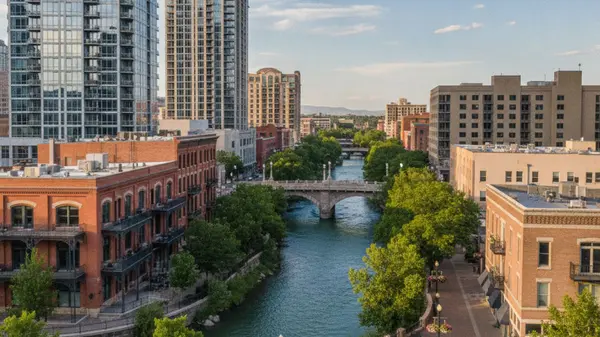
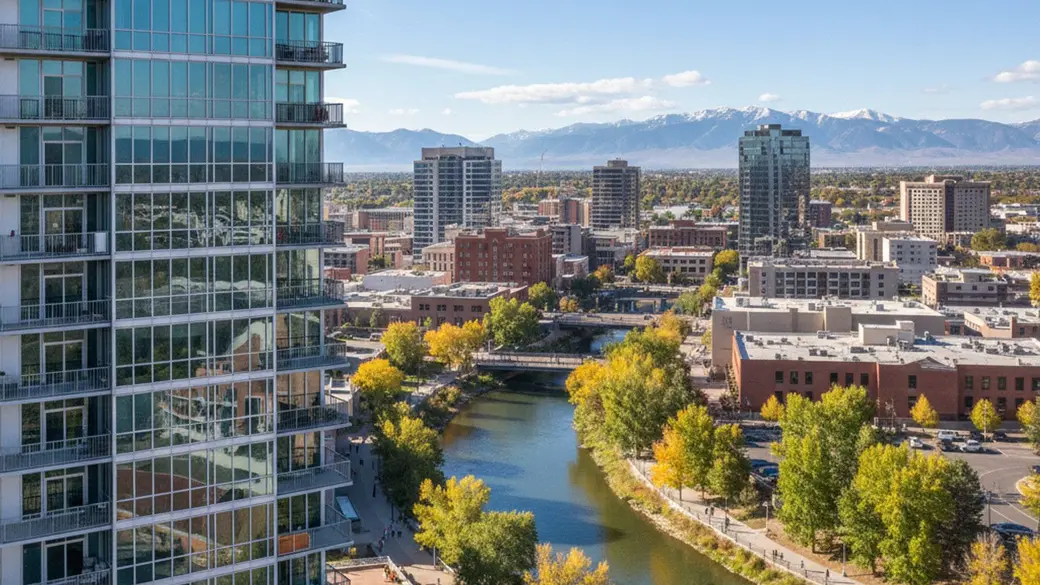
The downtown core serves as the primary hub for civic events and waterfront recreation. The Truckee River runs directly through the center of the city, bordered by the scenic Riverwalk. Just west of this area, the Dickerson Road corridor offers an eclectic mix of local artisans and commercial spaces.
Wingfield Park acts as the centerpiece of this river corridor, featuring an amphitheater and direct water access for kayaking. Just a few blocks away, the Whitney Peak Hotel features an artificial climbing wall that scales the exterior of the building. These specific amenities highlight the successful integration of outdoor recreation into dense urban environments.
The real estate footprint in the downtown sector is defined primarily by high-rise condominiums and mid-rise developments. In Spring 2026, downtown condos currently average between $300,000 and $450,000. These properties offer buyers a low-maintenance housing option with immediate pedestrian access to the city's most prominent entertainment venues.
Dining and Commerce in Midtown Reno
The Midtown district operates as the primary commercial alternative to the downtown casino corridor. This neighborhood features a high density of local restaurants, independent coffeehouses, and craft breweries. The commercial infrastructure is designed to prioritize pedestrian access, featuring continuous sidewalks and concentrated retail blocks.
Extensive streetscape improvements have transformed this area into one of the most walkable commercial zones in NV. Visitors and residents can easily navigate between boutique shops, art galleries, and dining establishments without relying on a vehicle.
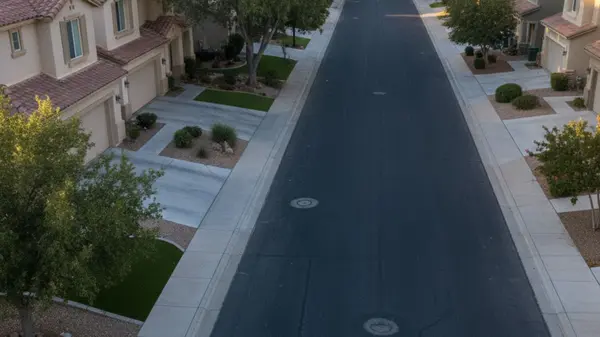
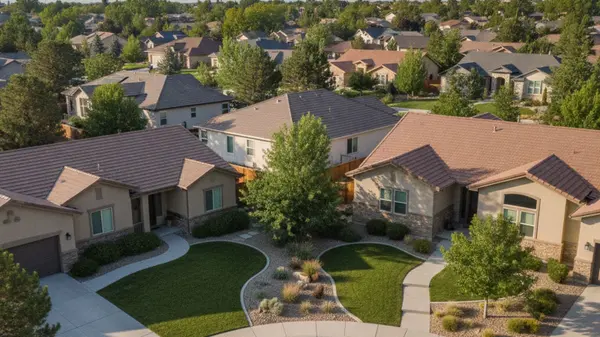
Housing options within Midtown consist of a unique mix of renovated single-family homes and modern urban lofts. Large resort properties like the Peppermill Reno anchor the southern edge of the district, providing additional dining and spa amenities. As of 2026, Midtown real estate averages around $500,000 to $570,000.
Arts, Culture, and Entertainment Venues
The local cultural scene provides a robust schedule of exhibitions and live performances throughout the year. The Nevada Museum of Art anchors the visual arts community with rotating contemporary exhibits and striking architectural design.
Historical preservation is also a major component of the local entertainment landscape. The National Automobile Museum houses an extensive collection of historically significant vehicles and provides detailed context on 20th-century industrial design. For performing arts, the Pioneer Center for the Performing Arts offers a dedicated venue for live theatre, orchestral performances, and touring productions.
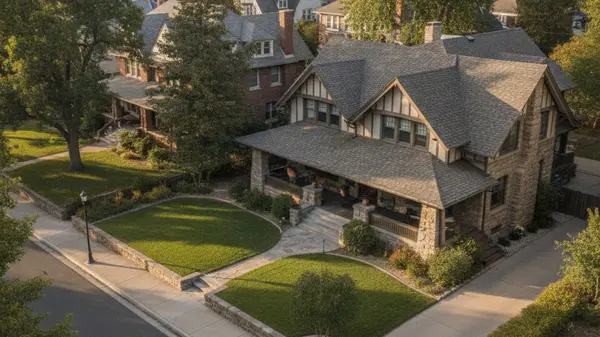
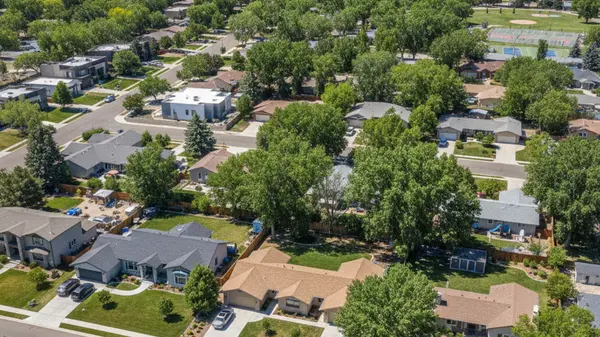
These cultural centers are situated close to some of the city's most established residential districts. The historic Old Southwest neighborhood sits just blocks away from these venues, featuring mature trees and distinct architectural styles. Old Southwest homes near these cultural centers average approximately $650,000, reflecting the premium placed on proximity to the arts district.
Outdoor Recreation: Parks and Lake Tahoe Proximity
Access to expansive outdoor recreation is arguably the most significant factor driving local real estate demand. Rancho San Rafael Regional Park offers massive open spaces, extensive walking trails, and a dedicated arboretum within the city limits.
The city's geographic position provides unparalleled access to world-class alpine environments. Lake Tahoe is approximately a 45-minute drive from central Reno, offering pristine beaches and extensive water sports. During the winter months, residents have direct access to numerous ski resorts scattered throughout the Sierra Nevada.
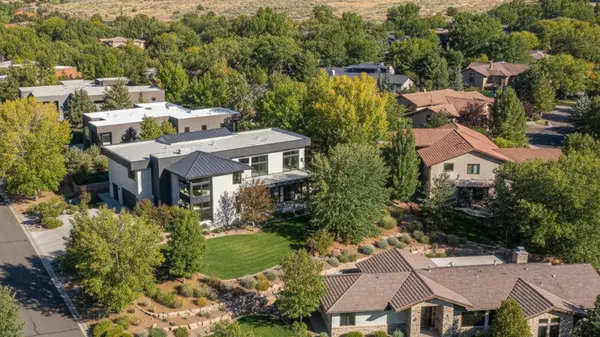
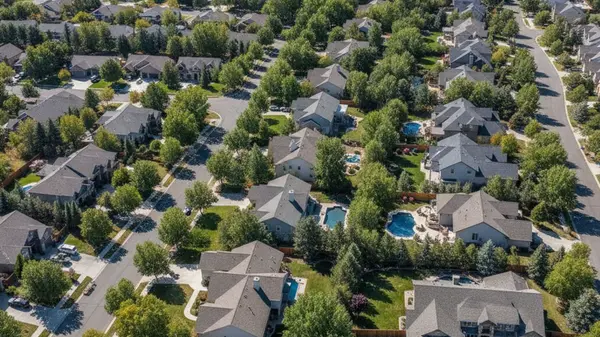
For a completely different landscape, Pyramid Lake sits to the northeast, offering striking desert scenery and renowned fishing opportunities. Suburban single-family properties located near major parks and foothill trailheads average between $650,000 and $750,000 in 2026. These neighborhoods command higher price points due to their immediate integration with the surrounding natural environment.
Frequently Asked Questions About Reno Attractions
What to do in Reno besides casinos?
Visitors and residents can explore the paved paths of the Truckee Riverwalk or hike the nearby Sierra Nevada trails. The city also features prominent cultural institutions like the Nevada Museum of Art and the National Automobile Museum. Outdoor recreation and local dining have largely replaced gaming as the primary daytime activities.
What is Reno best known for?
The city is historically recognized for the iconic "Biggest Little City" Reno Arch and its legacy of gaming. However, modern Reno is best known as a gateway to outdoor recreation and an essential staging ground for the annual Burning Man event. The current identity is heavily tied to its proximity to Lake Tahoe and regional ski resorts.
Is downtown Reno worth visiting?
The downtown core offers extensive amenities that make it a highly worthwhile destination. The area features the scenic Riverwalk, numerous public art installations, and a dense collection of dining options. Downtown condos averaging around $400,000 highlight the strong residential demand for this specific urban center.
Categories
Recent Posts