Understanding Property Valuation in Reno, NV This Year
The median sale price in Reno, NV is currently hovering around $577,000. If you're thinking about selling a home in Reno, NV or refinancing in 2026, knowing what your house can command on the open market is where everything starts - not where it ends.
The Reno-Sparks metro has seen real shifts in inventory and buyer demand over the last few months. National real estate portals will spit out a number fast, but they routinely miss the neighborhood-level details that buyers are paying a premium for. Figuring out where your property fits in the current landscape means looking closely at recent sales and how local buyers are behaving right now.
Figuring Out What Your Reno Home is Worth
Automated valuation models pull broad Washoe County tax records and run them through a general formula. That's it. They don't know you remodeled your kitchen last year, and they don't know your backyard backs up to a busy road.
A Comparative Market Analysis prepared by a local agent gives you a much sharper picture. An agent looks at exactly what buyers paid for similar houses in your specific subdivision over the last 90 days - accounting for condition, layout, and micro-location. That's a different exercise than what any algorithm is doing.
The Limits of Automated Online Estimates
Real estate portals pull from public records, which sometimes lag behind the active market. If a few homes in your area sold off-market or carried unusual seller concessions, an algorithm can easily misread those final numbers.
These tools also can't evaluate views or lot utility. In a market with terrain as varied as ours, a flat usable backyard or an unobstructed mountain view can shift a price tag dramatically. No automated model is making that call with any real accuracy.
Calculating Value for a Typical Property
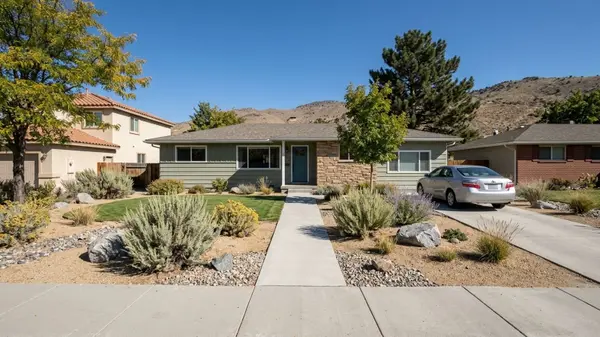
Take a 2,000-square-foot house in a standard Reno subdivision. The current average price per square foot in the city sits around $337. Multiply those two numbers and you get a baseline of roughly $674,000.
From there, an agent adjusts based on recent comparable sales. If the house down the street sold for $690,000 but had an extra bathroom and a newer roof, your listing price might land closer to $665,000. That adjustment process is what keeps you from overpricing and sitting on the market longer than you need to.
Current Home Prices and Market Trends
As of late summer 2026, the median sale price for all home types in Reno is roughly $577,000 - nearly 5% higher than the same time last year. Sellers are seeing strong returns. Buyers are still closing deals, but only when properties are priced correctly from the start.
The market is currently carrying about 874 active listings, which works out to roughly 2.7 months of supply. That's lean enough to keep upward pressure on prices. Move-in ready homes that are marketed well don't tend to sit.
Inventory and Days on Market
The median days on market right now is 46, which gives buyers enough time to look at a few options without feeling panicked. That said, well-maintained houses still move. Don't let 46 days give you false comfort if your home has deferred maintenance.
About 20% of homes are selling above their initial asking price. On average, sellers are getting just under 99% of list price - which tells you negotiations are tight and your initial pricing decision carries real weight.
Price per Square Foot and Local Comparisons
The $337 median price per square foot is a useful benchmark, but it moves around depending on property type. Condos and townhomes behave differently than large single-family homes on acreage, so don't apply that number blindly.
Reno proper generally commands a slight premium over neighboring Sparks or the broader Washoe County area. Buyers weigh commute times, access to city amenities, and school zones when they're deciding where to put their money - and that math tends to favor Reno.
Property Values by Neighborhood and ZIP Code
Where your home sits within Reno matters more than almost any other single factor. Buyers target specific ZIP codes based on commute times, highway access, and nearby amenities - and the price differences between those zones are real.
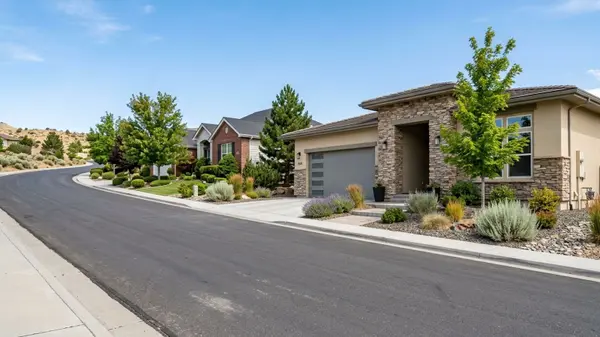
Neighborhoods on the edges of the city often feature newer construction and larger lots, which push median prices above some of the older central districts. That's not a judgment on either - it's just how the numbers shake out.
South Reno and Northwest Foothills
South Reno communities like Damonte Ranch and South Meadows consistently draw strong buyer interest. Newer housing stock, modern shopping centers, and quick access to the Mount Rose Highway all factor into that demand.
Northwest Reno is a different draw. Neighborhoods like Somersett attract buyers who want master-planned amenities and foothill views, and properties in those elevated subdivisions frequently sell at a premium relative to the citywide median.
Checking Values in 89511, 89521, and 89509
The 89511 and 89521 ZIP codes cover much of South Reno and the surrounding foothills. Homes there frequently exceed the city's $577,000 median by a wide margin - these are consistently among the most expensive areas in the metro.
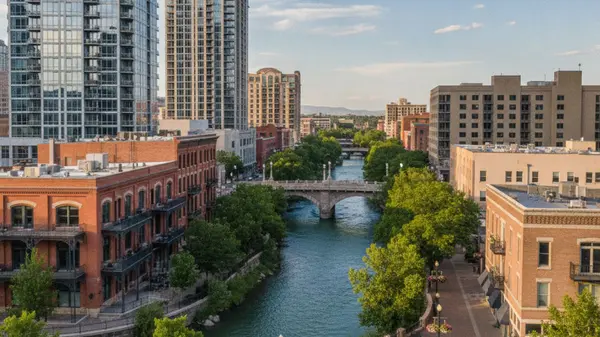
The 89509 ZIP code is a different story, but not a lesser one. It covers established central neighborhoods with mature trees and historic architecture. Buyers who want character and a short commute to downtown keep demand steady here, and that steady demand shows up in the numbers.
What Drives Your Final Market Analysis
Beyond neighborhood boundaries, the physical specifics of your lot and house are what determine the final numbers. Two homes on the same street can sell for very different amounts if one has deferred maintenance and the other is fully updated. That gap is real and buyers are not shy about pricing it in.
Big-ticket items get scrutinized - HVAC systems, roofs, windows. If those components are approaching the end of their lifespan, buyers will factor replacement costs into their offers. That comes directly out of your net.
Washoe County School District Zones
School zoning influences buyer behavior and property demand. Homes zoned for specific Washoe County School District campuses often see increased interest from buyers prioritizing those particular zones.
Boundary lines can and do change, so a good agent verifies current zoning every time they pull comparable sales. A house just inside a popular boundary line can sell faster than a nearly identical house one street over. That one street matters.
Recent Comparable Sales in Your Subdivision
The most reliable indicator of what your home is worth is what someone else just paid for a similar property nearby. Agents look for sales that closed within the last three to six months, matching square footage, bedroom count, and lot size as closely as possible.
If the market is moving quickly, pending sales and active listings also come into play - because understanding what else a buyer could choose today is exactly how you position your house correctly from day one.
Frequently Asked Questions
How much is my house worth in Reno, NV?
Your home's worth depends on its exact location, condition, and recent nearby sales. While the median sale price in Reno is currently around $577,000, requesting a Comparative Market Analysis from a local agent is the best way to get an exact figure for your specific property.
How accurate are online home value estimates in Reno?
Online estimates provide a rough baseline but are often inaccurate because they cannot evaluate your home's interior condition or unique lot features. They rely on public tax records, which do not reflect recent upgrades or fast-moving market shifts.
What is the average home price in Reno?
As of late summer 2026, the median sale price for a home in Reno is approximately $577,000. The average price per square foot sits around $337, though this varies by neighborhood and property type.
Is now a good time to sell a home in Reno?
Yes, it is a favorable time to sell. With only about 2.7 months of inventory available and homes selling in a median of 46 days, sellers who price accurately are seeing strong demand and closing near their asking price.
What factors affect home values in Reno?
The biggest factors include your specific neighborhood, the home's condition, square footage, and recent comparable sales in your subdivision. Proximity to amenities, lot utility, and Washoe County School District zoning also play major roles.
Which Reno neighborhoods have the highest property values?
Subdivisions in South Reno, such as Damonte Ranch, and master-planned communities in Northwest Reno like Somersett typically command higher prices. ZIP codes like 89511 and 89521 consistently rank among the most expensive in the metro area.
Why is my Washoe County tax assessment different from my Reno home's market value?
Tax assessments are calculated by the county using specific depreciation formulas and historical data, primarily for revenue purposes. Market value is determined by what a willing buyer will pay today, which is almost always higher than the assessed tax value.
Does the presentation of my house affect its final sale price?
Move-in ready properties that are marketed well do not tend to sit on the active market. Executing proper home staging in Reno, NV highlights your floor plan and helps buyers focus on the space rather than deferred maintenance. Presenting a clean interior is essential since buyers scrutinize details and negotiations are tight.
What expenses will reduce my final net from the sale?
While sellers are currently getting just under 99% of their list price, that number does not reflect the final take-home amount. You must also account for standard seller closing costs in Reno, NV, which are deducted directly from your proceeds at the end of the transaction. Any buyer concessions or repair credits for big-ticket items will further reduce your net payout.
Categories
Recent Posts