Carson City, NV Housing Market: What Buyers and Sellers Should Know in 2026
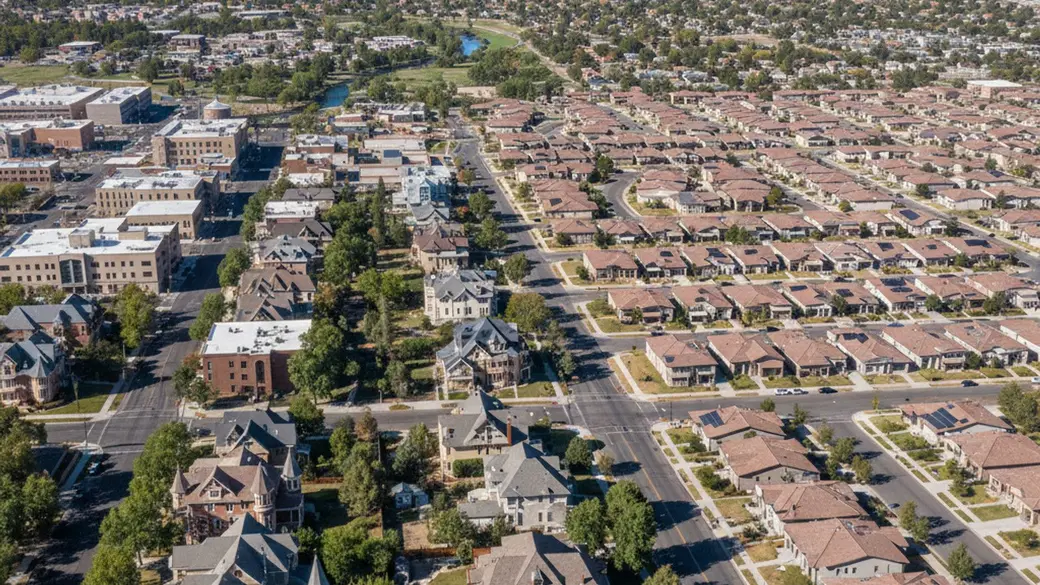
The median sale price for homes in the Carson City, NV housing market sits between $535,000 and $545,000 as of May 2026. Buyers looking at the state capital often find a different pace than neighboring Reno, alongside a distinct mix of historic neighborhoods and newer master-planned communities. The local real estate landscape has settled into a steady rhythm over the past year, giving buyers a bit more room to breathe during their search.
Available inventory remains tight but predictable, with the area holding roughly 1.8 to 2 months of housing supply. This means well-priced single-family homes still attract multiple offers, though the frenzy of past years has cooled. Sellers who price their properties accurately from day one are seeing steady traffic and reliable closing timelines.
Where Home Prices and Inventory Stand Today
Homes in Carson City spend an average of 30 to 52 days on the market before going under contract. This timeline gives buyers enough space to schedule inspections and handle financing without feeling rushed into a same-day decision. Properties that require extensive updates often sit closer to the 60-day mark, while move-in ready homes sell much faster.
The current 1.8 to 2 months of inventory keeps the area firmly in a seller's market. A balanced real estate environment typically requires closer to six months of supply. Because new listings trickle in slowly, buyers should set up MLS alerts and view new properties within the first weekend they hit the market.
Sellers currently hold the advantage in negotiations, but buyers are no longer waiving major contingencies to secure a home. Price per square foot varies widely depending on the neighborhood, but the median home price remains anchored near $545,000. Buyers financing their purchase should secure pre-approval before touring homes to ensure they can submit an offer immediately.
What You Will Pay for Different Property Types
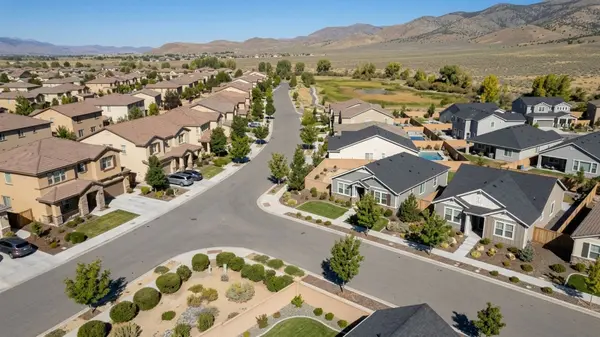
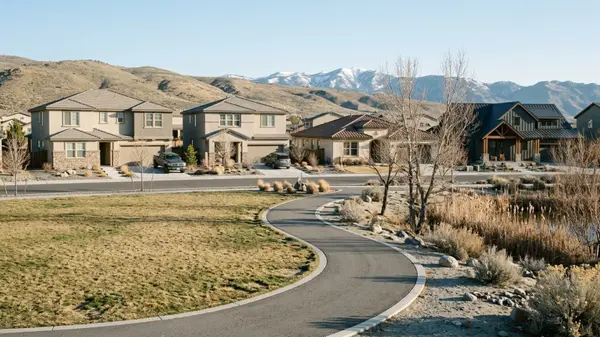
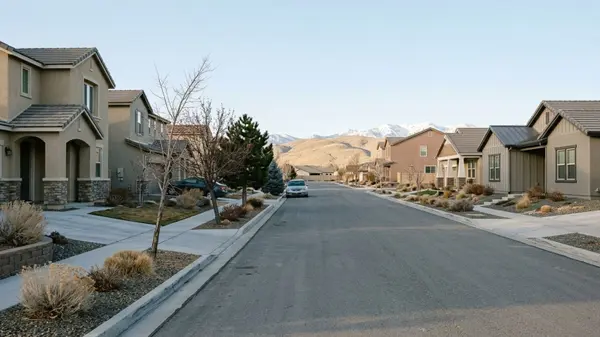
The architectural styles in Carson City range from early 1900s Victorian builds near the downtown center to modern subdivisions on the western edge of town. A buyer's budget dictates which side of the city they should focus on during their search. Townhomes offer an entry point into the market, while custom single-family homes command top dollar.
Buyers exploring the area will find three main categories of properties, each with distinct price points and features. Neighborhoods like Silver Oak and Lakeview provide different living experiences based on lot size and proximity to local amenities.
-
Historic Downtown Homes: Single-family homes near the state capitol building often feature mature trees and early 20th-century architecture. These properties frequently require updates to electrical and plumbing systems, and they typically sell between $500,000 and $650,000.
-
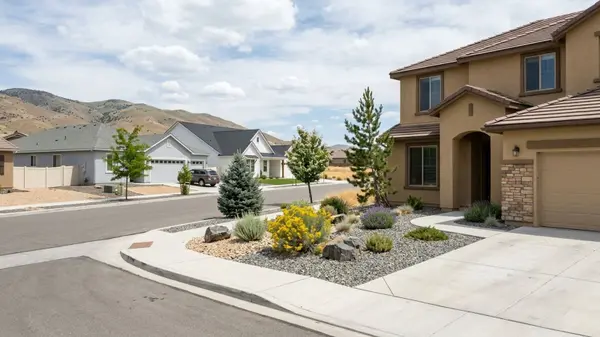
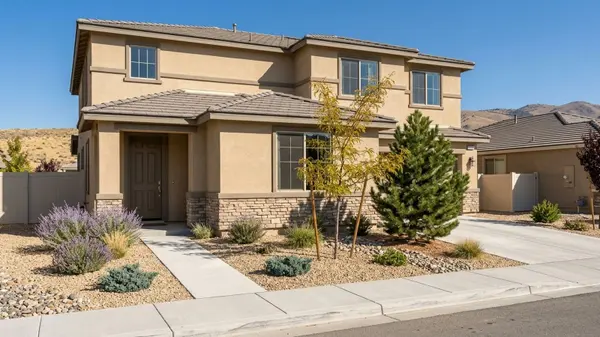
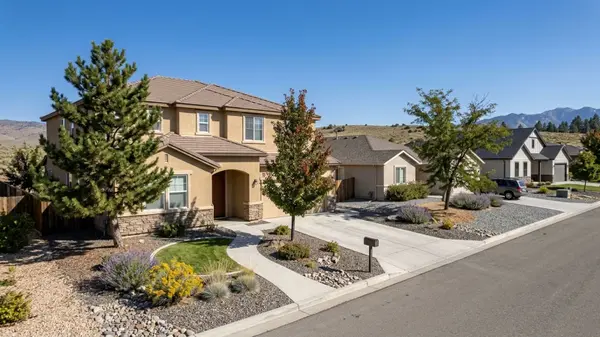
Suburban and Golf Course Properties: Neighborhoods like Silver Oak offer larger footprints and direct access to local greens. Homes in these established subdivisions generally range from $600,000 to well over $800,000 depending on lot size and mountain views.
-
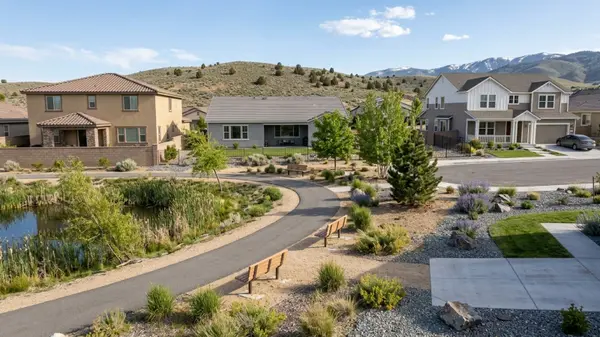
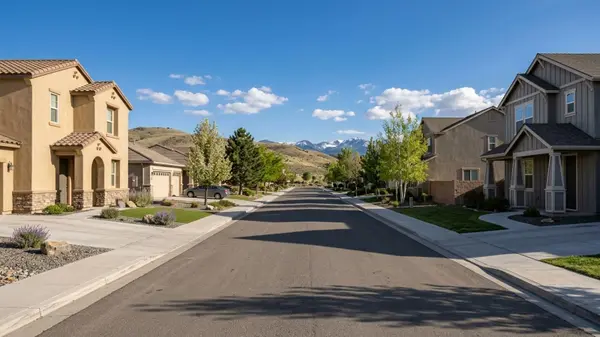
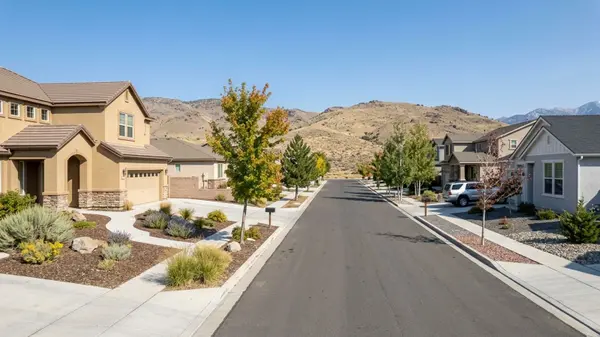
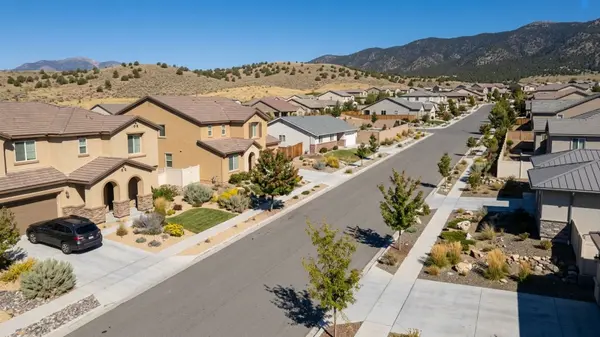
New Construction: Developments such as Timberline Crossing and The Reserve at Silver Oak feature modern floor plans and energy-efficient designs. Entry-level townhomes in these newer areas start in the low $400,000s, while larger detached houses push toward the $700,000 mark.
Commute Times and Highway Access
Drivers commuting from Carson City to South Reno spend about 30 minutes on the road using Interstate 580 or US-395. This direct highway access makes the capital a practical home base for residents who work in Washoe County but prefer to live further south. Traffic moves consistently during morning and evening commute hours, rarely experiencing the gridlock seen in larger metropolitan areas.
Heading west on US-50 puts residents at the shores of Lake Tahoe in 20 to 30 minutes. This proximity to alpine recreation is a major draw for buyers looking to access ski resorts and hiking trails without paying Tahoe basin property prices. The highway does experience winter weather delays, so buyers commuting that direction should plan for snow chain requirements during the colder months.
Residents staying closer to home have immediate access to Washoe Lake State Park just north of the city limits. The park provides boat launches, equestrian trails, and camping facilities within a 15-minute drive of most Carson City neighborhoods. This easy access to outdoor recreation adds measurable value to homes on the north side of town.
Healthcare, Jobs, and Public Facilities
The Carson Tahoe Regional Medical Center serves as the primary healthcare hub for the region, located on the north end of the city. This 138-bed facility provides emergency care, surgical services, and specialized treatments, drawing patients from surrounding rural counties. Medical professionals moving to the area often look for housing in nearby neighborhoods like Silver Oak to minimize their daily commute.
State government offices represent the largest employment sector in the city. Thousands of residents work in administrative, legislative, and departmental roles within a few blocks of the capitol building. This concentrated employment base keeps the local economy stable, even when national job markets fluctuate.
The Carson City School District operates multiple elementary, middle, and high school campuses across the city limits. Buyers researching specific attendance zones should verify boundaries directly with the district, as population shifts sometimes prompt map adjustments. The centralized layout of the city means most residential streets sit within a short drive of a public school campus.
Understanding Property Taxes and HOA Dues
Nevada does not collect a state income tax, which leaves more room in a buyer's monthly budget for housing costs. Property taxes in Carson City fall below the national average, making long-term ownership more affordable compared to neighboring states like California. The county assessor evaluates property values annually, but state law caps how much a primary residence's tax bill can increase each year to protect homeowners from sudden spikes.
Buyers purchasing in master-planned communities or new developments should factor Homeowners Association (HOA) dues into their mortgage calculations. Neighborhoods like Timberline Crossing require monthly fees that cover common area maintenance, street snow removal, and shared landscaping. These fees vary by subdivision, typically ranging from $50 to $200 per month.
General utility and maintenance costs for a single-family home in the high desert require careful budgeting. Summer cooling and winter heating bills fluctuate based on the home's age and insulation quality. Buyers looking at historic downtown properties should request past utility bills during the inspection period to estimate their future monthly expenses.
Common Questions About the Carson City, NV Housing Market
Is Carson City growing or shrinking?
The city population is growing at a slow, deliberate pace. Local geography, including the surrounding mountains and federal lands, physically limits mass expansion. This controlled growth keeps the total population hovering around 58,000 residents while maintaining steady demand for available housing.
How much income do you need to buy a $600,000 house in Nevada?
A buyer typically needs an annual household income between $140,000 and $160,000 to comfortably afford a $600,000 home. This estimate assumes a 20 percent down payment and current 2026 interest rates. Lenders will also calculate your specific debt-to-income ratio, factoring in car loans and credit card minimums before issuing an approval.
Is it better to live in Carson City or Reno?
The choice depends on your preference for city size and local amenities. Reno offers a larger airport, more entertainment venues, and a broader job market. Carson City provides a quieter, government-centered environment with a 20-minute head start on the drive to Lake Tahoe.
Categories
Recent Posts