Living in Carson City, NV: What Buyers Need to Know in 2026
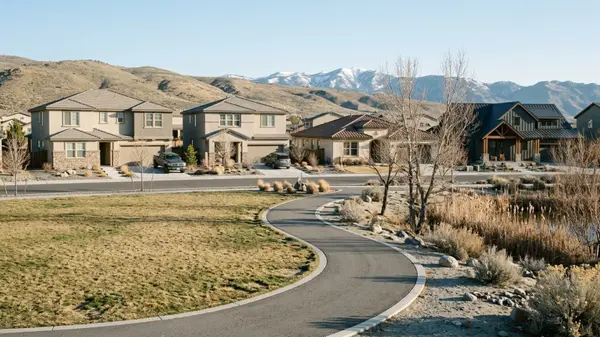
Sitting at an elevation of 4,800 feet, Nevada's capital offers a distinct alternative to the larger metro areas of Reno and Las Vegas. Living in Carson City, NV, places residents right at the base of the Sierra Nevada mountains. The city balances a historic downtown core with newer housing developments expanding toward the surrounding valleys.
Buyers looking at this region often weigh the proximity to outdoor recreation against the realities of a four-season climate. The area has seen steady population growth over the past few years as remote workers and retirees look for lower tax burdens outside of California. Understanding the local housing market, property tax structure, and daily commute patterns will help you determine if this area fits your goals.
Daily Life and Weather in Nevada's Capital
The city experiences a true four-season climate, with average July highs reaching the low 90s and winter lows dropping into the 20s. Snowfall is common from December through March, though it typically melts faster on the valley floor than in the nearby mountain passes. Residents should prepare for the Washoe Zephyr, a persistent afternoon wind that sweeps through the valley during the summer months.
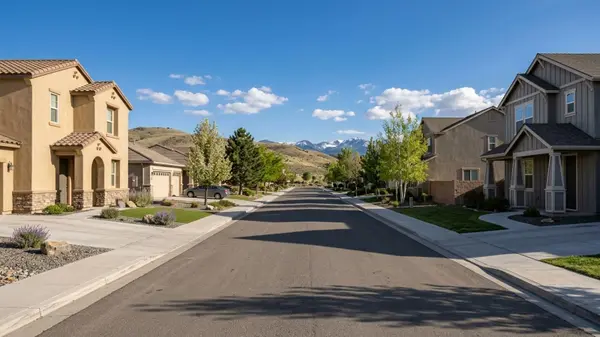
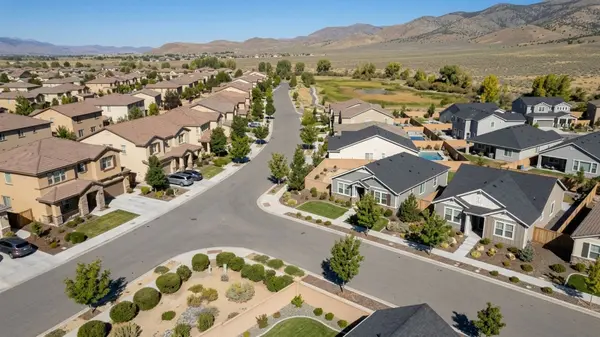
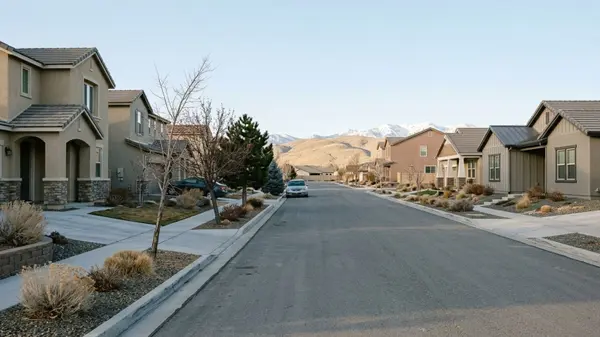
The layout of the city centers around the historic downtown and the state capitol grounds. Newer subdivisions and ranch-style properties spread outward toward Dayton and the Carson Valley. Daily errands are straightforward, with major grocery chains and local services clustered along the main thoroughfares.
Current Housing Prices and Property Types
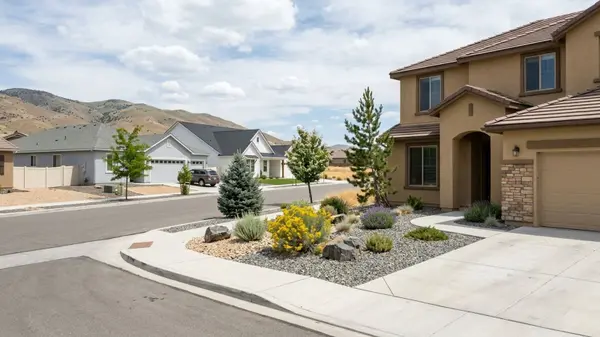
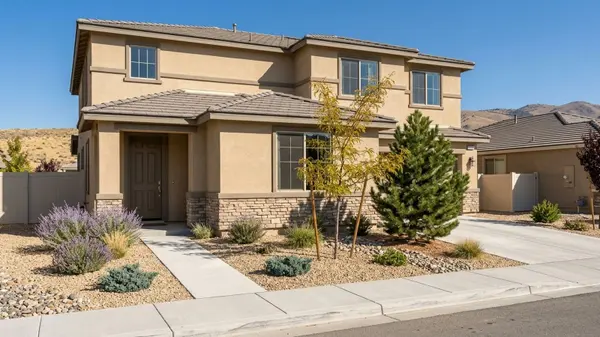
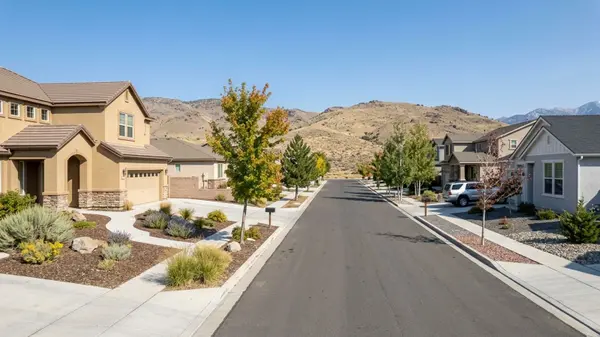
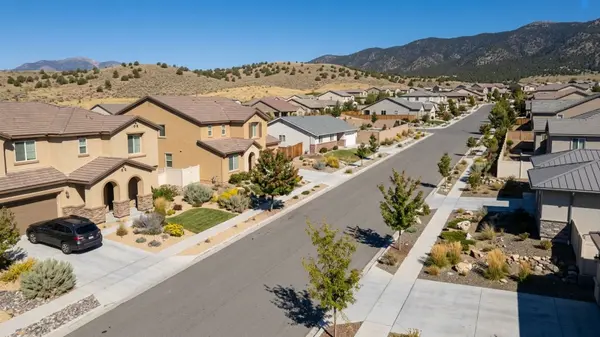
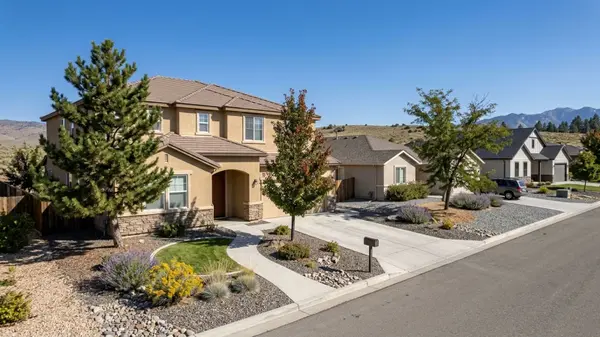
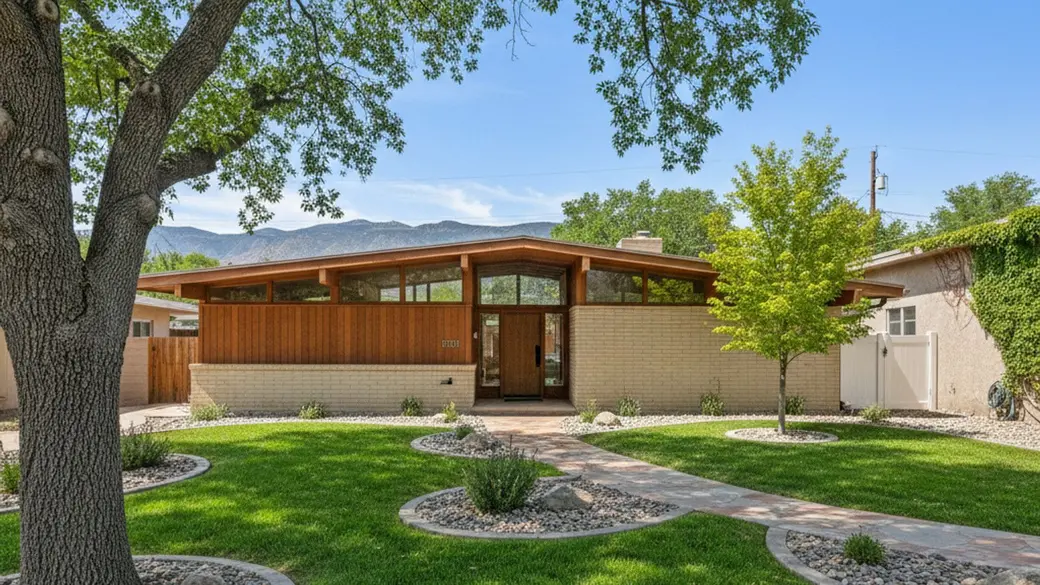
As of May 2026, the median home price in Carson City sits at approximately $545,000. This price point generally buys a three-bedroom, single-family home in an established neighborhood. Buyers will find a mix of mid-century ranch houses near the city center and newer two-story builds on the edges of town.
Townhomes and condominiums offer alternative entry points, often priced between $350,000 and $450,000. Inventory levels fluctuate with the seasons, peaking in late spring and early summer. Buyers looking for larger lots or equestrian properties often expand their search southward toward Gardnerville, NV, or Minden, NV.
Calculating Taxes and Everyday Expenses
Nevada does not collect a state income tax, which draws many new residents from neighboring states. This absence of income tax offsets some of the everyday living expenses, which generally align with national averages. Groceries, utilities, and healthcare costs are comparable to those in the Reno area.
Property taxes in the state follow a specific formula rather than a straight percentage of the purchase price. The county assessor determines a taxable value for the home, and the assessed value is set at 35% of that number. For the 2025-2026 fiscal year, the local tax rate is $3.57 per $100 of assessed value.
This structure results in an effective property tax rate of around 0.46% to 0.50% of the home's market value.
-
A home with a taxable value of $500,000 has an assessed value of $175,000.
-
At the $3.57 rate, the annual property tax bill would be roughly $6,247.
-
State law also caps annual property tax increases for primary residences at 3%, keeping long-term costs predictable.
Major Employers and Job Opportunities
The State of Nevada is the largest employer in the city, operating numerous administrative offices and departments downtown. State government jobs provide a stable economic base and drive demand for local housing. Beyond the state offices, the healthcare sector employs a large portion of the local workforce.
Carson Tahoe Health operates a major regional medical center that serves the city and the surrounding rural counties. Local government, including the city municipality and the school district, also provides consistent employment. A network of retail centers, restaurants, and professional services supports the daily needs of the growing population.
Public and Private Education Options
The Carson City School District operates around 10 public schools across the municipality. The district divides its attendance zones among several elementary schools, two middle schools, and one primary high school. Many residential developments, particularly on the west side of town, sit within a short distance of these campuses.
The 2025-2026 academic calendar runs from mid-August through early June. Alongside the public system, several private and charter schools offer alternative educational models. Buyers should verify specific school zoning boundaries with the district when considering a particular house, as attendance lines occasionally shift.
Access to Trails, Parks, and Lake Tahoe
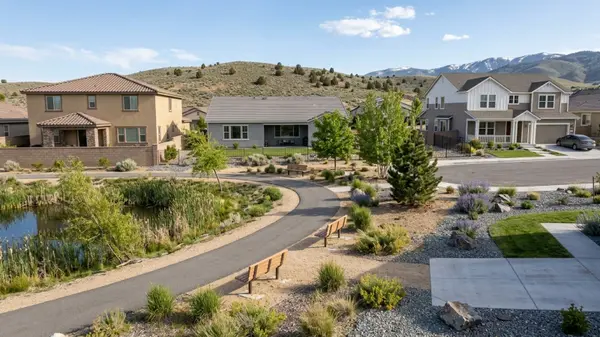
Residents have immediate access to the Carson River, which runs along the eastern edge of the city. The river provides miles of water for kayaking, paddleboarding, and seasonal trout fishing. On land, the city maintains a network of multi-use paths and neighborhood parks.
Mills Park serves as a central gathering space with an indoor aquatic facility, tennis courts, and a miniature railway. On the southern end of town, Fuji Park features rodeo grounds, a dog park, and access to the Clear Creek trail system. Golfers can utilize several local courses, including the municipal Silver Oak Golf Course.
The most prominent outdoor draw is Lake Tahoe, located just over the mountain pass. The drive takes about 30 minutes, giving locals easy access to world-class ski resorts in the winter and public beaches in the summer.
Commute Times and Highway Access
Interstate 580 and US Highway 395 serve as the primary transportation arteries through the region. The drive from Carson City to south Reno takes roughly 30 minutes under normal traffic conditions. Commuters heading south to Gardnerville, NV, or Minden, NV, can expect a 15-to-20-minute drive.
For air travel, the Reno-Tahoe International Airport is about 30 miles north via I-580. The trip to the airport terminal usually takes 35 to 45 minutes, depending on weather and time of day. The city also operates the Carson City Airport, which handles private aviation, charter flights, and regional emergency services.
Weighing the Advantages and Drawbacks
Relocating to this part of Nevada requires balancing the financial benefits against the realities of a high-desert environment. The lack of a state income tax and the predictable property tax structure provide clear financial incentives. The immediate access to the Eastern Sierra region appeals to anyone focused on outdoor recreation.
However, the environment presents specific challenges for new residents.
-
Winter weather brings snow and ice, requiring proper vehicle equipment and home maintenance.
-
The Washoe Zephyr winds can be intense during the summer, often limiting afternoon outdoor activities.
-
While the city has essential retail, accessing large-scale entertainment or specialized medical care often requires a drive to Reno.
Frequently Asked Questions
What are the winters like in Carson City, NV?
Winters are cold and snowy, with January temperatures frequently dropping below freezing overnight. The city receives an average of 22 inches of snow annually, though accumulation varies widely from year to year. Roads are generally well-plowed, but four-wheel drive is recommended if you plan to cross the mountain passes.
Is it expensive to live in Carson City?
Housing costs sit slightly above the national average, with a median home price near $545,000. However, the overall financial picture is balanced by the lack of state income tax. Daily expenses like groceries and utilities mirror the costs found in neighboring Washoe County.
How far is Carson City from Lake Tahoe?
The eastern shore of Lake Tahoe is roughly 15 miles away via US Highway 50. The drive takes about 25 to 30 minutes, winding up Spooner Summit. This proximity allows locals to easily make day trips for skiing at Heavenly or hiking the Tahoe Rim Trail.
Categories
Recent Posts