Exploring the 2026 Cost of Living Carson City NV: A Buyer's Guide
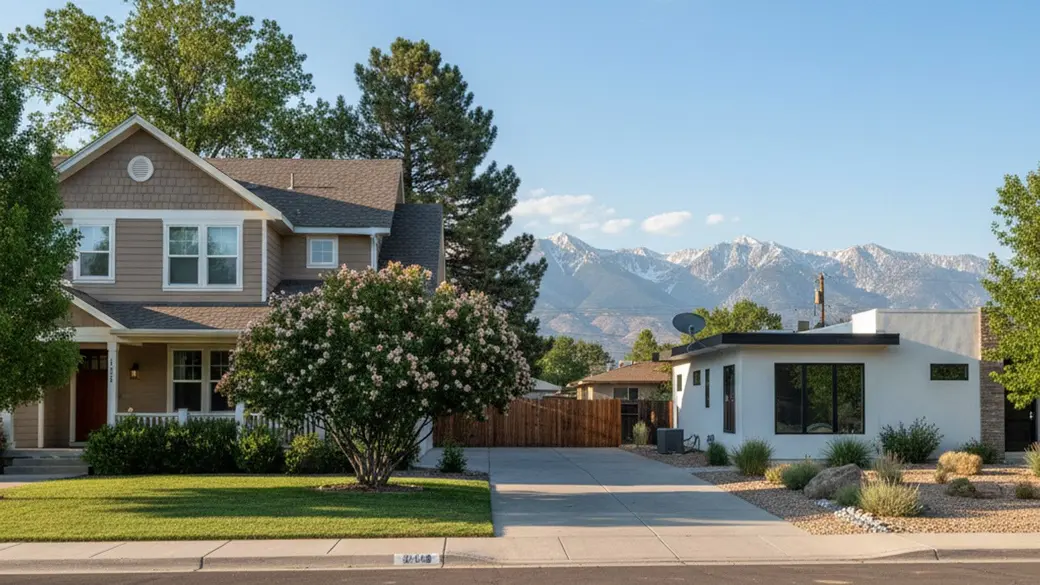
Relocating to Northern Nevada often brings buyers to the state capital for its unique blend of mountain access and civic infrastructure. Nestled just east of the Sierra Nevada mountains, Carson City offers a distinct lifestyle compared to the sprawling metros of neighboring states.
Understanding the local economy is crucial before making a move. While the area provides incredible access to outdoor recreation and a favorable tax climate, everyday expenses require careful budgeting.
What is the Overall Cost of Living in Carson City, NV?
Evaluating the economic landscape of the Nevada capital reveals a baseline that sits slightly above the national average. As of 2026, the overall cost of living index for the city registers at approximately 104, meaning residents pay about 4% more for everyday expenses than the typical American.
The primary drivers pushing this index upward are real estate and grocery expenses. Because the region is somewhat geographically isolated by the mountains, transporting goods into the valley adds a premium to everyday items.
Fortunately, the broader financial picture is balanced by Nevada's highly favorable tax structure. The complete absence of a state income tax effectively offsets the higher checkout totals at the grocery store. This keeps more money in your pocket each month.
Average Housing Costs in Carson City
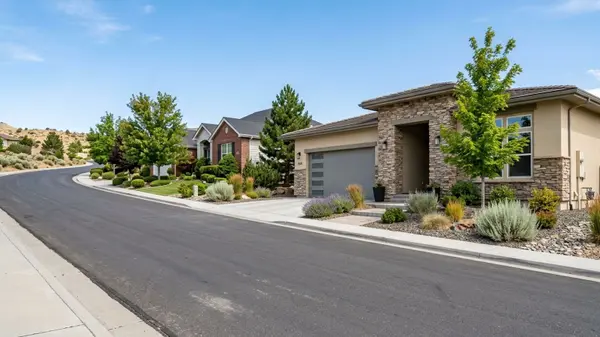
The local real estate market remains the most significant factor in any relocation budget. Housing costs here currently sit about 4% higher than the national average, reflecting steady demand and limited new construction.
In the spring of 2026, the market leans slightly in favor of sellers due to constrained inventory across the valley. Buyers must be prepared to act decisively. Well-priced properties near major transit routes tend to move quickly.
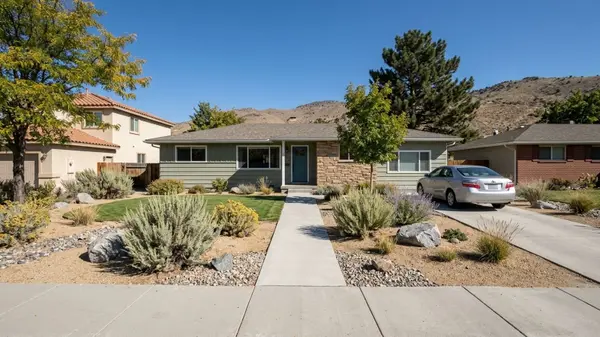
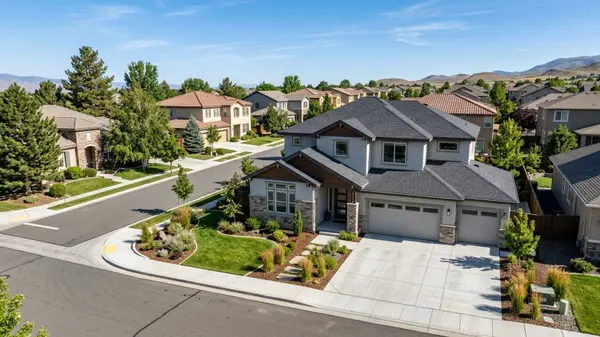
Whether you plan to buy or rent, understanding the baseline costs helps set realistic expectations. The market offers a mix of established single-family neighborhoods and newer condo developments.
Current Median Home Prices
Purchasing a single-family home in the area requires a solid budget. The median home price currently ranges from approximately $537,500 to $560,000, depending on the specific neighborhood and property condition.
For buyers looking for a more accessible entry point, condominiums provide a practical alternative. These attached properties generally list well below the median single-family price. They offer a foothold in the market without the premium of a large private lot.
Average Rent for Apartments and Houses
The rental market remains highly active for those who prefer flexibility. Average monthly rent currently hovers around $1,366, making it relatively competitive for the Northern Nevada region.
One-bedroom apartments typically lease for that $1,366 average, while two-bedroom units command closer to $1,528 per month. Single-family homes for rent are less common. Because of this scarcity, detached rentals command a significant premium over multi-family complexes.
Local Property Taxes
One of the strongest financial incentives for buying property in Nevada is the exceptionally low property tax burden. The effective property tax rate in the capital area averages around 0.42% for a median-priced home. This is drastically lower than rates found in many neighboring states.
This low rate drastically reduces the monthly escrow requirements for homeowners. When combined with the lack of state income tax, the long-term carrying costs of a home are much more manageable than the initial purchase price might suggest.
Everyday Expenses: Utilities, Food, and Healthcare
Beyond a mortgage or lease, daily operational costs dictate the true affordability of the region. Residents must account for a mix of elevated goods pricing and stabilized utility rates.
Food and grocery costs run roughly 11% higher than the national average. Transporting fresh produce and consumer goods over the Sierra Nevada passes consistently adds a logistical premium to supermarket totals.
Conversely, utility bills and healthcare expenses remain near or slightly below the national baseline. The region is anchored by Carson Tahoe Health, providing comprehensive medical services without the inflated costs seen in larger metropolitan healthcare systems.
A single adult will naturally experience a different financial footprint than a multi-person household. Larger households should expect utility costs to scale up during the winter months when heating demands peak.
Transportation and Commuting in Carson City
Navigating the capital relies heavily on personal vehicles rather than robust public transit networks. While some local bus routes exist, owning a reliable car is a practical necessity for daily life here.
The city is exceptionally well-connected by major regional highways, specifically US Route 395 and I-580. These arteries allow for efficient travel throughout the valley and up into the surrounding mountains.
Commuting times are generally favorable, with Reno easily accessible via I-580 for those working outside the capital. Additionally, the proximity to Lake Tahoe means residents are roughly a 30-minute drive from world-class outdoor recreation.
Buyers should budget accordingly for standard vehicle expenses like gas and maintenance. Fuel prices in Northern Nevada routinely trend higher than the national average, which directly impacts monthly commuting budgets.
Job Market, Income Data, and the Local Economy
A stable local economy supports the housing market, anchored heavily by the public sector. As the state capital, government administration is a primary employer, providing a steady baseline of jobs.
Manufacturing and healthcare also play vital roles in the regional employment landscape. These industries offer diverse opportunities that span multiple income brackets and skill levels.
The living wage required for a single adult to meet basic needs is approximately $16.23 per hour. However, securing a comfortable lifestyle requires a higher baseline. You need a solid margin to cover average rent and leave room for savings.
Most professionals find that an annual salary between $54,000 and $72,000 is necessary to live comfortably in the area. Because there is no state income tax, employees retain a larger percentage of their gross pay to meet these housing and living costs.
Frequently Asked Questions
Is Carson City an expensive place to live?
The area sits slightly above the national average, making it moderately priced but not overwhelmingly expensive. While housing and groceries carry a premium, the lack of state income tax helps balance the overall financial picture.
How does the cost of living in Carson City compare to Reno?
Living in the capital is generally more affordable than residing in Reno. Home prices and rental rates tend to be slightly lower, though everyday expenses like groceries and gas remain very similar.
Do residents of Carson City pay state income tax?
No, residents do not pay any state income tax. Nevada is one of the few states that completely foregoes this tax, which significantly boosts the take-home pay for local workers.
What is a comfortable salary to live in Carson City, NV?
A single adult typically needs to earn between $54,000 and $72,000 annually to maintain a comfortable lifestyle. This range provides enough income to cover median rental costs, utilities, and everyday expenses while allowing for some savings.
Categories
Recent Posts