Setting the Right Price: Proven Pricing Strategies in Reno NV for 2026
Selling a property in Northern Nevada requires a deliberate approach to the numbers. The landscape has shifted significantly over the past few years, and buyers are entering the Spring 2026 market with sharp expectations and a close eye on interest rates.
Whether you are listing a sprawling custom build in South Reno or managing an investment portfolio in Sparks, setting the right number on day one is critical. A strong launch determines how much foot traffic your property receives and ultimately dictates your final closing price.
Navigating the current pricing strategies in Reno NV demands a deep understanding of local supply and demand dynamics. Sellers who rely on outdated advice or emotional valuations often find themselves facing frustrating delays and multiple price reductions.
Current Reno NV Real Estate Market Trends
Understanding the baseline metrics of our local market is the first step toward a successful sale. As of early 2026, we are operating in a competitive but highly deliberate environment where buyers take their time to evaluate true market value. Median home prices are currently sitting around $590,000 to $665,000, depending heavily on the specific neighborhood and property condition.
Inventory levels remain relatively tight across Washoe County. We are seeing roughly 1.5 to 2.2 months of supply, which typically indicates a seller-leaning market, but buyers are refusing to overpay for unrenovated spaces. Average days on market are hovering around 57 to 60 days, giving buyers the breathing room to schedule multiple showings and negotiate aggressively.
This extended timeline is crucial for determining a competitive listing price. Sellers who price ahead of the market and ignore these days-on-market metrics often find their active listings sitting stagnant. My firm stance is that ignoring current inventory data to chase a record-breaking neighborhood sale will cost you money on the table in today's climate.
Buyers are heavily leveraging property inspections and repair requests to chip away at ambitious asking prices. If your home requires a significant remodel to match the comparable sales in your zip code, your initial price must reflect those necessary upgrades. Accurately analyzing these market conditions prevents the headache of a stalled transaction later in the escrow process.
How to Price a Home in Reno NV Based on Property Type
Not all properties in Washoe County follow the same valuation rules. The pricing model for a large single-family home in South Reno differs drastically from the approach used for a high-rise condominium in the downtown corridor. Condos often face stricter financing requirements and higher HOA dues, meaning the base asking price must account for the buyer's total monthly output.
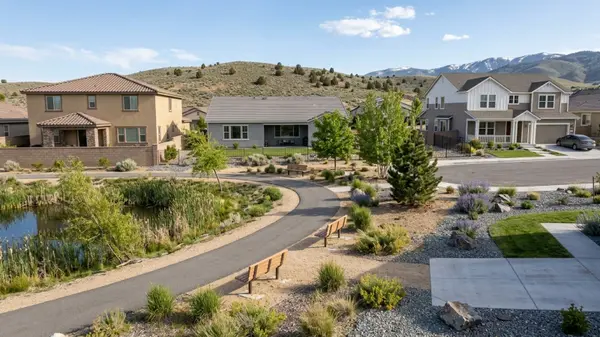
Proximity to local amenities also dictates a substantial premium in our region. Properties within walking distance of the Truckee River or established local parks consistently command higher per-square-foot valuations than similar homes further out. You must adjust your expectations based on what is outside the front door, not just the upgrades inside the kitchen.
To maximize visibility on the MLS, savvy sellers employ market match and strategic bracket pricing. Instead of listing at an awkward number like $605,000, pricing right at the $600,000 threshold captures buyers searching up to that exact limit. This intentional placement bridges two distinct buyer pools and drives more organic traffic to your listing.
Furthermore, differences in property taxes between older neighborhoods and new construction zones impact overall affordability. Buyers factor these carrying costs into their purchasing decisions, which directly influences the maximum price they are willing to offer. Working with a knowledgeable realty professional helps clarify how these subtle structural differences change your optimal listing price.
Local brokerages consistently report that homes priced at exact market value sell faster than those testing the upper limits. Buyers rely heavily on automated valuation models before ever stepping foot inside a property. If your list price vastly exceeds those digital estimates, you face an uphill battle convincing buyers to tour the home.
The Impact of Local Economic Factors and Commute Times
Proximity to Northern Nevada's major employment hubs heavily influences pricing power. There is a direct correlation between shorter commute times to massive complexes like the Tahoe-Reno Industrial Center and higher property retention values. Buyers are acutely aware of daily drive times, and homes located near major highway on-ramps benefit from a noticeable pricing bump.
Economic growth and continuous job migration into the region strictly dictate buyer thresholds. As out-of-state buyers relocate to NV for new tech and manufacturing roles, they bring specific budgets that shape our active listings. Pricing a home effectively means understanding the maximum loan limits and purchasing power of these incoming buyers.
Neighborhoods in Spanish Springs have seen a shift in valuation simply due to new infrastructure easing the daily commute. When traffic patterns improve, the perceived value of the surrounding real estate naturally increases. Keeping an eye on municipal developments is a vital part of long-term pricing analysis.
Furthermore, the expansion of local distribution centers has created a steady stream of incoming buyers seeking housing close to work. This sustained demand creates a solid floor for property values in adjacent neighborhoods. Sellers who map out these economic boundaries can price their homes with a higher degree of confidence.
Effective Pricing Strategies for Real Estate in Reno, NV
Building a defensible and competitive list price requires moving away from outdated real estate myths. One of the most common pitfalls is pricing a home artificially high just to leave room for negotiation. This strategy almost always backfires by alienating the core buyer pool and increasing your days on market.
Today's buyers have access to endless pricing analysis and comparable sales data. If a property is listed 10 percent above its true market value, buyers will simply skip the showing entirely rather than submitting a lowball offer. Value-forward pricing - where you list slightly below the perceived top market value - is far more effective for creating urgency.
A value-forward approach naturally attracts more showings and often generates multiple offers, putting the seller firmly back in control. Avoiding major pricing mistakes when launching a new listing in Sparks or Reno comes down to trusting the current data over emotional attachments. The market dictates the price, and your marketing simply highlights the value.
Monitoring the first two weeks of active showings is critical for evaluating your pricing decisions. If you are receiving consistent foot traffic but no written offers, the market is signaling that your property looks great but costs too much. Sellers must be willing to adjust quickly rather than waiting for a magical buyer to appear.
Seasonal Pricing Trends in Northern Nevada
Our distinct seasons play a massive role in how you should position your home. Winter weather patterns in the high desert often suppress foot traffic, meaning homes listed in December or January require sharper, more aggressive pricing to secure a contract. Buyers trudging through snow expect to find a deal, and sellers must adjust their timeline and price points accordingly.
Conversely, seasonal inventory fluctuations usually peak between May and July. You can leverage these warmer seasonal windows to expand your negotiation strategies, as the sheer volume of active buyers increases your chances of a full-price offer. Timing your listing to align with these weather-driven market dynamics is a powerful tool for maximizing profitability.
Even the presentation of your property must shift with the changing seasons to justify your asking price. Highlighting winterized features or showcasing a thriving summer garden helps buyers visualize the year-round value of the property. A well-timed, season-appropriate listing strategy always yields a stronger financial return.
The transition from spring to summer also brings a surge of out-of-state buyers looking to settle before the fall. This predictable migration pattern allows sellers to test slightly higher price points during peak summer months. However, once late August arrives, pricing strategies must immediately pivot to capture the remaining buyer pool.
Smart Pricing Strategies for Your Sparks Rentals and Investment Properties
Property owners managing rental units face a different set of pricing decisions. Nevada is a state without rent control, which gives landlords significant freedom, but that lack of regulation requires a highly strategic approach to lease renewals. Pushing for maximum rent increases every year is a quick way to guarantee high turnover and costly vacancy periods.
The most successful investors in Northern Nevada balance market-rate adjustments with long-term tenant stability. Replacing carpet, painting, and marketing an empty unit often costs far more than the extra $100 a month you might extract from a new leasehold estate. Smart property management relies on keeping reliable renters in place through fair, incremental rent increases.
Pricing your rentals should always focus on long-term profitability rather than chasing short-term gains. A well-priced unit in Spanish Springs that stays occupied for five uninterrupted years will outperform an overpriced unit that sits empty for two months every winter. Investors must analyze the local rental inventory meticulously before issuing a notice of rent increase.
In a market where housing affordability is a persistent conversation, offering a competitively priced rental ensures a massive pool of applicants. This high demand allows landlords to be highly selective during the procurement process, ultimately reducing operational headaches. Real estate investing is a marathon, and sustainable pricing is the most reliable way to cross the finish line.
Frequently Asked Questions About Pricing Real Estate in Reno
Should I price my home high to allow for negotiation in the Reno/Sparks market?
Pricing a home high to leave room for negotiation is generally a poor strategy that leads to extended days on market. Buyers in Washoe County are highly educated on current values and will often ignore overpriced listings completely. You are much better off pricing competitively to attract multiple showings and let the market drive the final number up.
Can I change the price after listing my property?
Yes, you can execute price reductions if your initial strategy fails to capture buyer interest. However, the first 14 days on the market generate the most momentum, and a later reduction rarely recaptures that initial excitement. If you see zero offers after three weeks, a swift and meaningful price adjustment is absolutely necessary.
Is the Reno housing market going to crash in 2026?
There is no localized data suggesting a market crash in Northern Nevada for 2026. With inventory hovering around a tight 2.0 months of supply and steady job migration continuing, demand remains highly resilient. While price growth has stabilized compared to the frenzy of previous years, the baseline fundamentals of our local economy strongly support current property values.
Categories
Recent Posts