Is Reno, NV a Smart Real Estate Play in 2026?
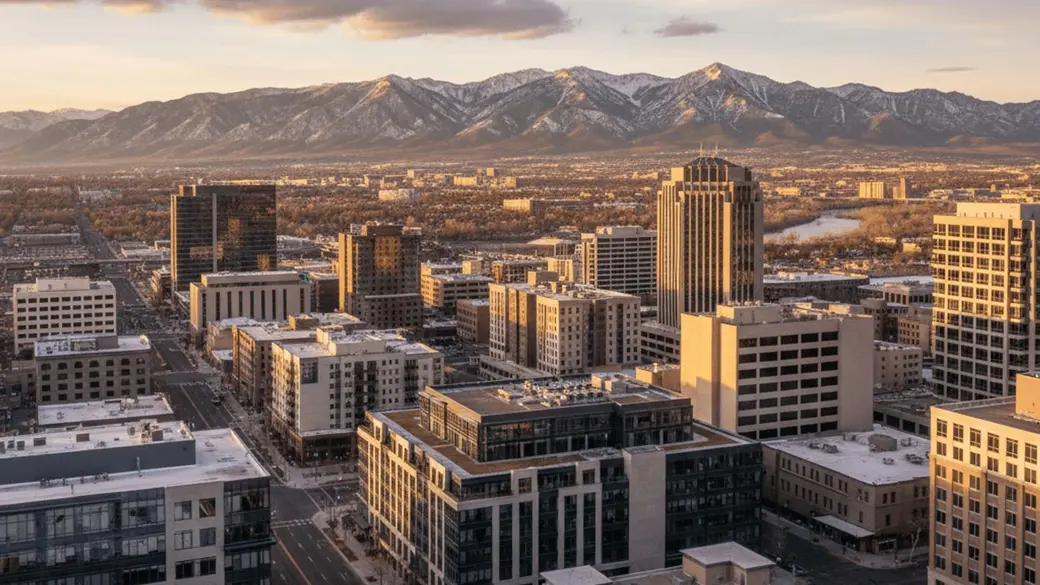
If your image of Reno is still stuck on neon casino lights and 99-cent shrimp cocktails, you are looking at a completely different city than the one we live in today. Over the last decade, the "Biggest Little City" has transformed into a legitimate tech and logistics powerhouse. For investors looking at investing in Reno NV real estate, 2026 represents a year of stabilization and maturity.
The post-pandemic buying frenzy has cooled off, which is actually good news for smart money. We aren't seeing the wild, unsustainable price jumps of 2021 anymore. Instead, we are seeing a market that has settled into a steady rhythm. Prices have normalized, inventory is ticking up, and the tenant base is more affluent than ever thanks to the influx of remote workers and tech employees.
For those of you looking over the fence from California, the math here is still compelling. You have a much friendlier tax environment, a lower entry price, and strong fundamentals for appreciation. It’s no longer just a "spillover" market from the Bay Area; Reno stands on its own two feet as a diverse economic hub.
Economic Drivers: Why Invest in Reno Now?
When I talk to investors, the first thing we look at is jobs. People don't rent homes where they can't find work. Fortunately, Reno’s economic engine is firing on all cylinders, pivoting away from a reliance on gaming toward advanced manufacturing and technology.
The Tech & Industrial Shift: You can't talk about Reno without talking about the "Tesla Effect." The Gigafactory east of town changed the landscape entirely, but it’s not just Elon Musk driving the bus anymore. We have major operations from Switch, Apple, and a massive logistics boom in the North Valleys. These companies bring in engineers, managers, and logistics professionals—folks who need quality housing and pay rent on time.
The Lifestyle Migration: We are still seeing a steady stream of people moving here for lifestyle reasons. They want access to Lake Tahoe (just 45 minutes away), the Truckee River, and outdoor recreation. This isn't just retirees anymore; it's remote workers with California salaries who can suddenly afford a much nicer life in Washoe County.
The Tax Advantage: Nevada has no state income tax. That is a massive draw for your potential tenants, giving them more disposable income to handle rent increases. For you as an investor, the tax climate is equally favorable, making the ROI calculation much cleaner than in high-tax states.
Reno Real Estate Market Trends (2026 Data)
Let's get into the weeds on the numbers. 2026 is shaping up to be a year of balance. While sellers still have equity, buyers finally have a little bit of leverage that didn't exist two years ago.
Median Home Prices: Right now, the median sale price for a single-family home in the Reno-Sparks area is hovering around the $550,000 – $555,000 mark. We are seeing healthy, sustainable appreciation in the 2–5% range. You likely won't see your property value double overnight, but you also aren't buying into a volatile bubble.
Rental Rates & Vacancy: Average rents for a standard 3-bedroom home are sitting between $1,850 and $1,900 per month. Vacancy rates remain relatively tight because housing construction hasn't quite kept pace with the population growth, though we are seeing a slight softening as new apartment complexes come online.
Inventory Levels This is the metric to watch: active listings have risen year-over-year. This means you don't have to write an offer within 20 minutes of a house hitting the MLS anymore. You have time to run your numbers, do your due diligence, and potentially negotiate on repairs.
Best Property Types for ROI in Reno
Not all square footage is created equal here. Depending on whether you are chasing cash flow or appreciation, you’ll want to target specific asset classes.
Single-Family Rentals (SFR): This is the bread and butter of the Reno market. A nice 3-bedroom, 2-bath house in a decent school district is the most liquid asset you can own. These tend to see the highest appreciation over time and are very popular in suburban areas like South Reno.
Multifamily (2-4 Units): Small multifamily properties are excellent for cash flow, but they can be like finding a needle in a haystack. Most of Reno's duplexes and fourplexes are in older neighborhoods like Wells Avenue, Midtown, or parts of Sparks. When these hit the market, they go fast, often to cash buyers.
Condos and Townhomes: These offer a lower entry point, often under $400,000, which can look great on paper. However, you have to be very careful with HOA fees. In some complexes, fees can run upwards of $400 a month, which eats right into your margins. Always check the HOA's financial health before buying.
Top Reno Neighborhoods for Investors
Reno is incredibly pocket-specific. A few miles can make a massive difference in your tenant pool and property value.
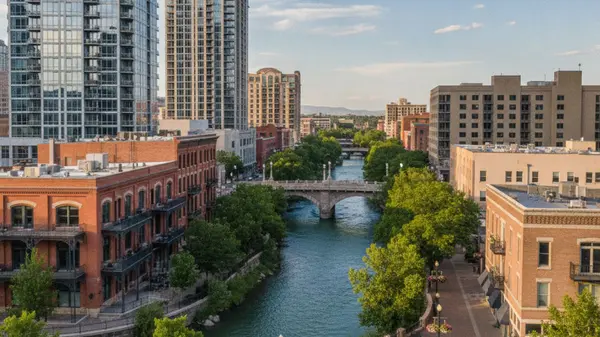
Midtown: If you want an urban vibe, this is it. It’s walkable, full of murals, coffee shops, and bars. It attracts young professionals who want to be in the action.
- The Trade-off: You pay a premium for the location, so cash flow might be tighter, but the appreciation potential is high as the area continues to gentrify.
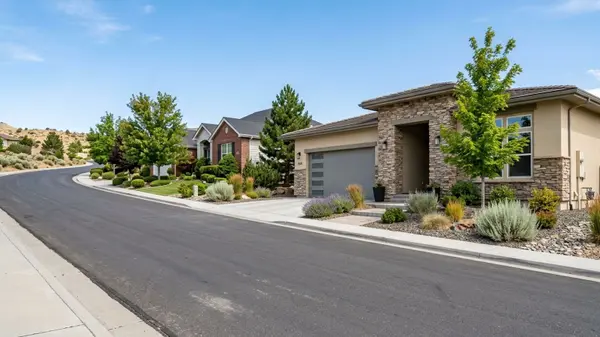
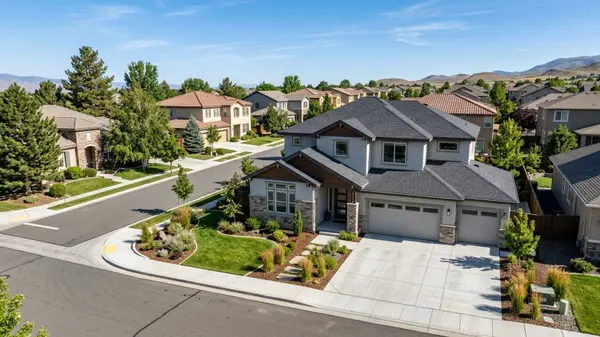
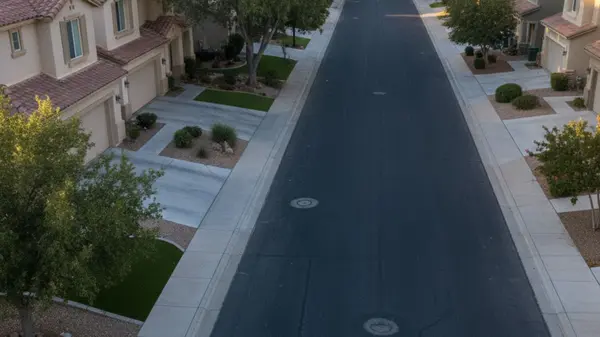
South Reno / Damonte Ranch: This area is dominated by master-planned communities. It’s newer, clean, and close to top-rated schools and shopping.
- The Investor Angle: These homes attract long-term tenants—often corporate relocations or higher-income families. Maintenance costs are generally lower because the homes are newer.
North Valleys (Golden Valley / Lemmon Valley): Located north of the city, this area is close to the logistics warehouses and distribution centers.
- The Investor Angle: You can often get in at a lower purchase price here, potentially offering a better cash-on-cash return. Demand is strong from blue-collar workers employed at the nearby industrial parks.
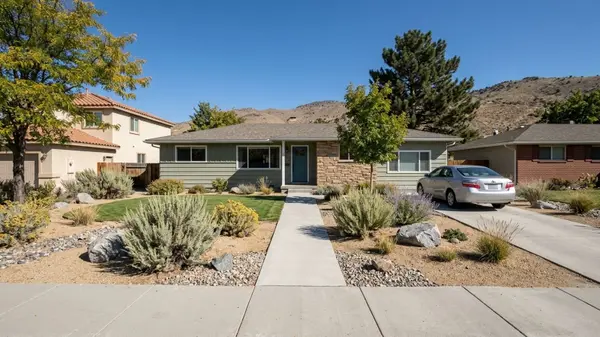
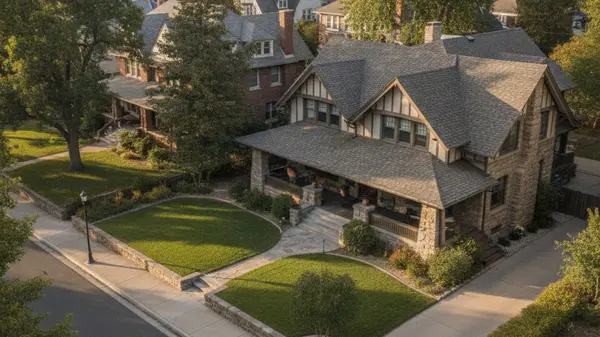
Old Southwest: This is the "classic" Reno neighborhood with brick homes, mature trees, and charm. It rarely sees significant price drops because it is so desirable. It’s a safe place to park capital for wealth preservation.
Long-Term vs. Short-Term Rentals in Reno
I get asked about Airbnb constantly. While short-term rentals (STRs) can be lucrative, Reno is not the "wild west."
The Long-Term (LTR) Strategy: This is the "set it and forget it" wealth builder. With a strong local workforce, traditional 12-month leases are safe and steady. Nevada is generally a landlord-friendly state, making it easier to manage your assets compared to neighboring California.
The Short-Term (STR) Reality: Reno and Washoe County have strict permitting processes for short-term rentals. You cannot just buy a house and list it on VRBO tomorrow. You need a permit, you have to pay room taxes, and specific zoning laws apply.
- Verdict: If you are willing to navigate the red tape, the returns can be higher, especially during big events like Hot August Nights. However, for most out-of-state investors, the regulatory risk and management intensity make LTR the smarter play.
Taxes, Insurance, and Costs
When you are building your pro forma, make sure you aren't just looking at the mortgage payment. There are a few local quirks to keep in mind.
Property Taxes: Nevada keeps property taxes relatively low. The tax rate generally hovers around 0.6% to 0.8% of the assessed value. There is also a depreciation cap on how much property taxes can rise annually for existing owners, which helps forecast your long-term holding costs.
Insurance and Wildfire Risk: This is the big one. Parts of Reno—especially in the foothills or near open land—are considered high fire risk zones. Insurance premiums in these areas can be significantly higher, or you may be forced onto the "FAIR plan" (state-run insurance), which is costly. Always get an insurance quote during your due diligence period.
HOA Fees: If you are looking in South Reno or the Northwest, assume there will be an HOA. Fees usually cover common area maintenance and sometimes gates or clubhouses. While they add to your monthly overhead, they also help maintain neighborhood standards and property values.
Tips for Out-of-State Investors
If you are thinking about investing out of state or managing properties from afar, you need a game plan.
Build Your Team First: Don't try to Lone Ranger this. You need a reliable local realtor who understands investment metrics, a lender who knows Nevada rules, and a local property manager who can handle those 2 AM calls.
Don't Skip the Inspection: In older parts of Reno, sewer lines and foundations can be tricky. The soil here expands and contracts, which can cause issues over time. A $500 inspection can save you $20,000 in unexpected repairs later.
Know Your Geography: A listing might say "Reno," but if it's in the far North Valleys, the commute to the Tesla Gigafactory is easy, but the commute to South Reno is long. Understand where your target tenant works so you buy a home that fits their lifestyle.
Frequently Asked Questions
Is Reno a good place to invest in real estate in 2026?
Yes, Reno offers a blend of stability and growth that is hard to find right now. With a median price around $550,000, strong job growth in the tech and industrial sectors, and a tax-friendly environment, it provides solid fundamentals for both appreciation and wealth preservation.
What are the landlord-tenant laws in Nevada?
Nevada is generally considered landlord-friendly compared to states like California. While you must follow proper procedures for evictions and security deposit returns (typically within 30 days of lease end), the laws (NRS 118A) are balanced and do not have the same strict rent control measures seen elsewhere.
Do I need a license for Airbnb in Reno?
Yes, you absolutely do. Both the City of Reno and Washoe County require a short-term rental permit, which involves an inspection and adherence to zoning rules. Operating without one can lead to significant fines, so it is vital to verify a property's eligibility before buying.
Which Reno zip codes have the best appreciation?
Historically, 89511 (South Reno/Galena) has seen excellent appreciation due to luxury builds and good schools, while 89509 (Old Southwest/Midtown) holds value incredibly well due to its central location and historic charm. For emerging growth, look at zip codes in the North Valleys where industrial expansion is driving demand.Categories
Recent Posts