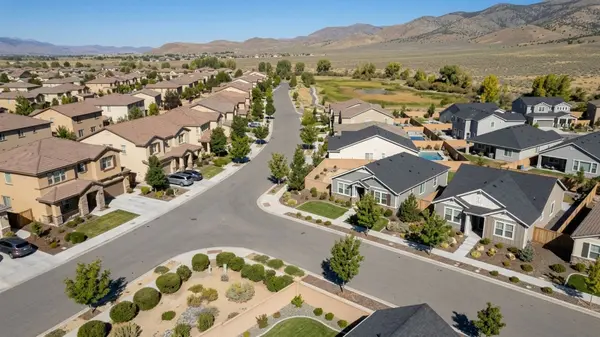
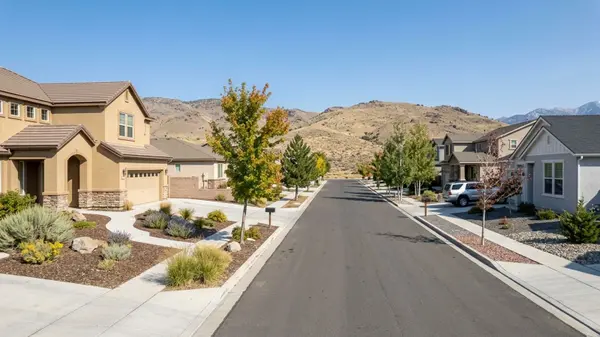
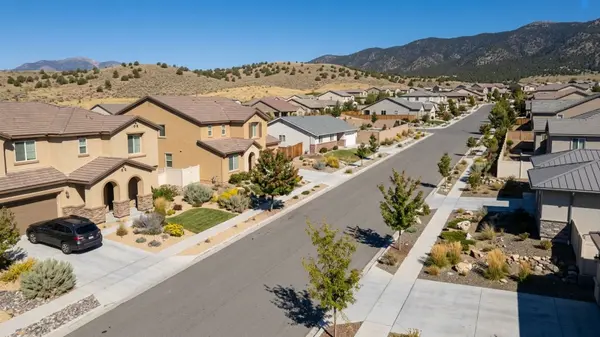
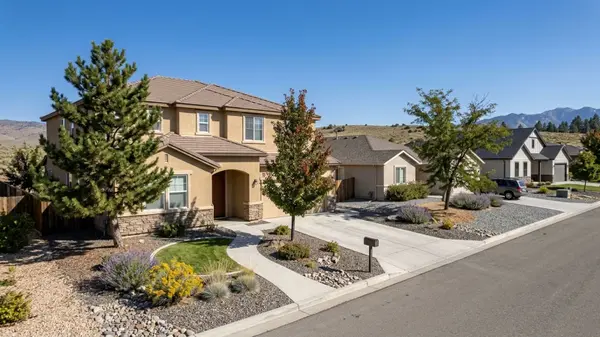
The Reality of HOA Fees in Reno (2026 Update)
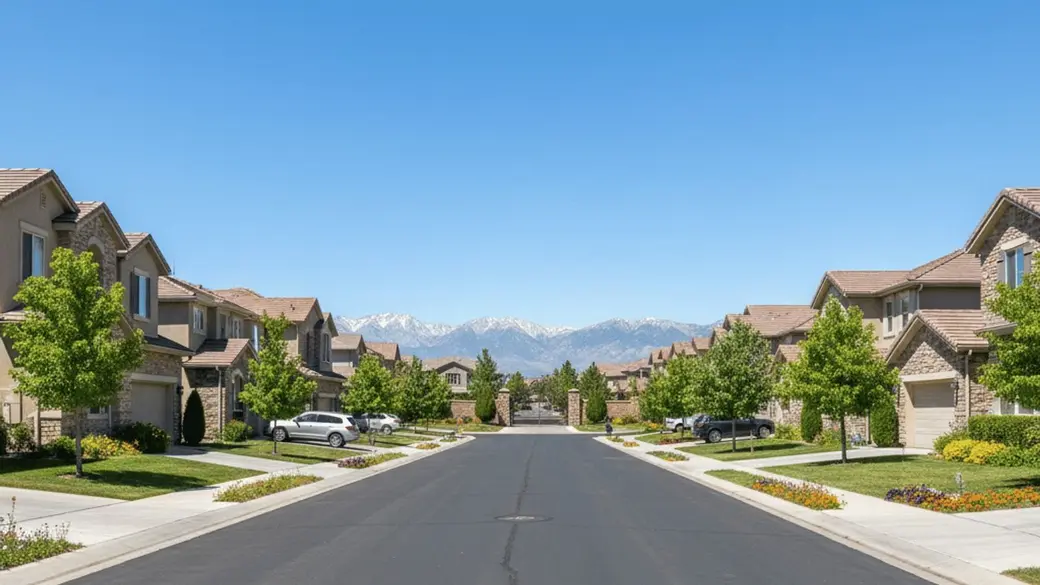
If you are looking to buy a home in the Biggest Little City, you’re going to run into Homeowners Associations (HOAs) sooner rather than later. Unlike some older markets where HOAs are rare, the vast majority of new construction and master-planned neighborhoods built in Reno over the last two decades include them. It is one of the first things I tell clients to look for when we start reviewing listings.
For many buyers, these fees are a point of confusion. I’ve seen them range from under $50 a month for simple landscape maintenance to well over $1,000 for luxury high-rise living downtown. It is critical to factor these dues into your total monthly housing cost because they directly impact your debt-to-income ratio for mortgage qualification.
Nevada also has very specific laws governing these associations, primarily under NRS 116. This means the rules aren't just arbitrary; they are regulated. Whether you are moving to Reno from out of state or just shuffling neighborhoods locally, understanding what you are paying for—and why—can save you from sticker shock at the closing table.
Average HOA Fees by Property Type
The amount you pay in dues usually correlates directly with how much responsibility the association takes off your plate. When you are browsing Reno real estate listings, you will notice distinct price brackets depending on whether you are looking at a standalone house or a unit in a shared building.
Single-Family Homes: For a standard single-family home in a planned community, fees are generally the most affordable. You are typically looking at $50 to $150 per month. In these neighborhoods, the HOA usually covers common area landscaping, maybe a gate, and professional management. However, you are still responsible for your own roof, siding, and homeowner’s insurance. If you move into a master-planned community with rich amenities—think clubhouses and private pools—those fees can jump to the $150 to $400 range.
Townhomes and Condos: When you share walls, the costs go up. Townhomes and condos in Reno generally range from $300 to $600 per month. This sounds steep compared to a single-family home, but the value proposition is different. These fees often cover "walls-in" insurance policies (leaving you to insure only the interior contents), exterior maintenance like roof repairs and painting, and often utilities like trash and water.
Luxury High-Rise: If you are eyeing a luxury condo in Downtown Reno, be prepared for the highest tier of fees, often settling between $800 and $1,200+ per month. You are paying for a lifestyle here: 24/7 concierge service, elevators, intense security, and premium amenities like rooftop pools and fitness centers.
2026 HOA Fees in Top Reno Communities
To give you a realistic idea of what budgeting looks like right now, let’s look at some of the most popular master-planned communities in the area. Keep in mind that numbers can shift slightly with new annual budgets, but these examples reflect the current market landscape.
ArrowCreek: As one of Reno's premier gated golf communities, ArrowCreek commands higher dues to support its extensive infrastructure. You are paying for 24-hour guard-gated security, miles of walking trails, and the maintenance of significant common grounds. For 2026, standard fees hovered around $382 per month, with some specific gated enclaves within the community pushing closer to $389.
Somersett: Somersett has a unique tiered structure that buyers need to watch for. Almost every resident pays a "master" fee, which grants access to the incredible Club at Town Center (pool, gym, golf). However, if you live in a gated sub-community like The Vue, you will pay a sub-association fee on top of that. Total monthly costs here can range from roughly $115 to over $385 depending on exactly which street you live on.
Damonte Ranch: In South Reno, Damonte Ranch often utilizes what’s called a Landscape Maintenance Association (LMA) or fees related to the Damonte Ranch Drainage District (DRDD). The base fees here can be quite low—often under $100—because they primarily cover keeping the parkways green and the walking paths clean. However, if you buy into a sub-association like the Regency 55+ community, you are looking at fees closer to $300 because that includes access to a private clubhouse and additional amenities.
Downtown Reno: If you are looking at specific buildings like The Montage or The Palladio, fees are often calculated based on square footage. It is common to see dues exceed $800 a month for a standard two-bedroom unit, but this usually includes almost all your utilities except for electricity and internet.
What Do My Dues Actually Cover?
When you write that check every month, it helps to know you aren't just throwing money away. In the high desert climate of Northern Nevada, HOA fees actually cover several essential services that you would otherwise have to manage yourself.
Landscape Maintenance: This is the most visible benefit. Keeping grass green and trees healthy in a high desert environment requires expensive irrigation and constant care. The HOA manages the greenbelts, parks, and common spaces so the neighborhood doesn\'t turn into a dust bowl.
Snow Removal: This is the hidden gem of Reno HOAs. In private communities like Somersett, Caughlin Ranch, or ArrowCreek, the association manages snow removal on the streets. During a heavy winter storm, the city plows focus on major arterials first, meaning residential side streets can wait days for service. Private HOA plows are often clearing the roads while the snow is still falling, which is a massive advantage for commuters.
Defensible Space: With insurance markets tightening across the West, "defensible space" is a major topic. Many Reno HOAs actively manage the vegetation surrounding the community to reduce wildfire risk. This coordinated effort to clear brush not only keeps the neighborhood safer but can also help homeowners maintain their eligibility for fire insurance.
Gates & Security: Whether it is an automated gate or a human guard at a gatehouse, security is a major line item. Staffing a gate 24/7 is expensive, which is why guard-gated communities always have higher premiums than those with simple keypad entries.
Hidden Costs: Transfer Fees and Capital Contributions
The monthly fee is what everyone focuses on, but there are one-time costs that can catch buyers off guard during the escrow process. It is important to review your estimated closing statement for these items so you aren't scrambling for cash days before you get the keys.
Transfer Fees: These are administrative costs charged by the property management company to simply update their records with your name. They typically run between $200 and $500 total at closing. It’s an annoying paperwork fee, but it’s standard practice.
Resale Packages: Under Nevada law, sellers are required to provide a resale package that includes the CC&Rs (Covenants, Conditions, and Restrictions), the current budget, and the reserve study. While the seller usually pays to order this, the buyer bears the responsibility of reviewing it during the due diligence period to ensure the HOA is financially healthy.
Capital Contributions: This is the big one that surprises people. Some master-planned communities charge a "Capital Contribution" or "Working Capital Fee" to the buyer at closing. This is often equal to two or three months of dues—sometimes ranging from $500 to over $1,000. This money goes directly into the HOA\'s reserve fund to pay for future repairs. It is distinct from your monthly dues, and it is a one-time hit to your wallet.
Pros and Cons of HOA Living in Nevada
Living in an HOA isn't for everyone, and it really comes down to what you value more: freedom or consistency.
On the plus side, HOAs are excellent at protecting property values. You won't have to worry about a neighbor parking a rusted-out RV on their front lawn or painting their house neon pink. You also gain access to luxury amenities—like pools, tennis courts, and clubhouses—without having to maintain them yourself. As mentioned earlier, the snow removal perks in Reno are a legitimate lifestyle upgrade during the winter months.
On the downside, that monthly expense never goes away, even after you pay off your mortgage. You are also subject to restrictive rules. If you want to build a shed, paint your exterior, or redo your landscaping, you generally have to get approval from an architectural committee. For some, having to ask for permission to change their own home is a dealbreaker.
Frequently Asked Questions About Reno HOAs
How much are HOA fees in Reno, NV on average?
Fees vary significantly by neighborhood, but you can expect to pay between $50 and $150 per month for a standard single-family home. Condos and townhomes usually range from $300 to $600 monthly, while luxury high-rises and guard-gated estates can exceed $800 to $1,000 per month.
Can HOA fees in Nevada increase without a vote?
Yes, in many cases, the HOA board can increase dues by a certain percentage annually to keep up with inflation and operating costs without a full membership vote. However, significant special assessments for major repairs often require a vote from the homeowners.
What happens if I don't pay my HOA fees in Nevada?
Nevada law takes HOA dues very seriously. If you fall behind, the association can place a lien on your property. In certain situations, this can become a "super priority lien," which means the HOA could potentially foreclose on the home to collect the debt, even ahead of the mortgage lender.
Are there any neighborhoods in Reno without HOAs?
Yes, if you want to avoid fees and restrictions, look toward Reno’s established neighborhoods like the Old Southwest, Midtown, or older parts of sparks. These areas were built before master-planned communities became the standard and generally do not have associations.
Categories
Recent Posts