The Real Cost of Buying a Home in Reno (2026 Market Update)
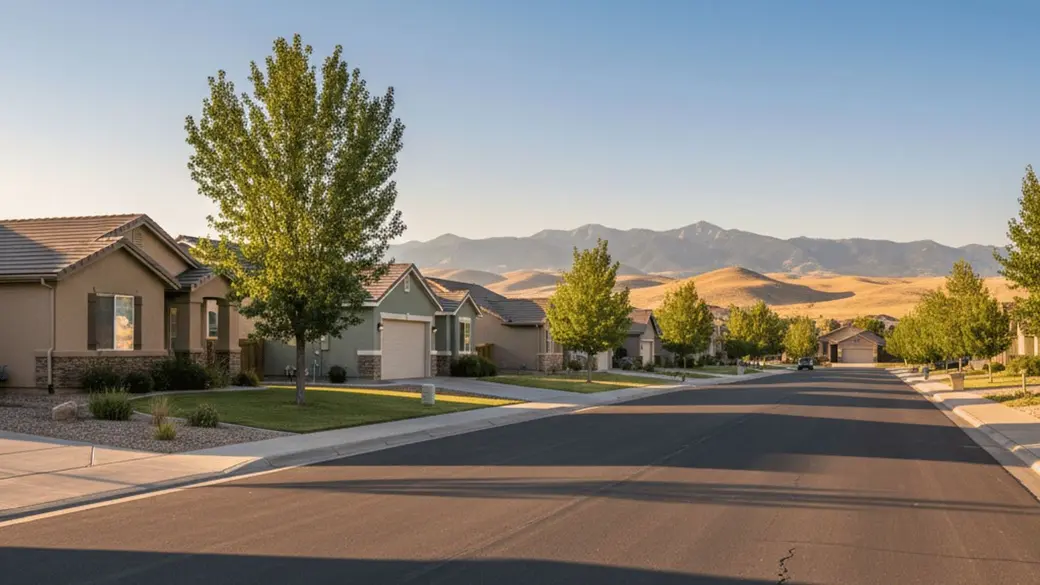
If you have been watching the Reno housing market over the last few years, you know it has been a wild ride. But as we settle into early 2026, the dust has finally started to settle. The frantic bidding wars of the past have mostly faded, replaced by what many of us locals are calling an "opportunity market."
Right now, the median home price in Reno is sitting right around $550,000 to $560,000. While that is significantly higher than a decade ago, prices have stabilized compared to the rapid spikes we saw previously. However, the sticker price is just one piece of the puzzle. To really budget for a move here, you need to look at the full picture—taxes, insurance, utilities, and lifestyle costs.
Whether you are relocating from California or looking to buy your first place right here in Washoe County, understanding the true cost of ownership is the first step. Let’s break down exactly what your money gets you in Reno this year.
Average Home Prices in Reno: By the Numbers
When we talk about prices, it is important to distinguish between "average" and "median." The average can be skewed by those multi-million dollar estates in Montreux, so the median sales price—the exact middle of the market—gives you a much better idea of what a typical home costs.
As of February 2026, that median sits close to $554,000. If you are trying to calculate value, the price per square foot is hovering between $325 and $335. This is a handy metric if you are comparing two homes of different sizes, but remember that lot size and finishes can swing that number wildly.
Market dynamics have shifted, too. We are currently seeing about three months of inventory. That puts us in a "somewhat competitive" zone. It’s not quite a buyer's market, but it’s definitely not the seller-dominated landscape where you had to waive inspections just to get a foot in the door. You have a little breathing room to make thoughtful decisions.
Cost Breakdown by Property Type
Your budget will stretch differently depending on the type of roof you want over your head. The standard benchmark for the area is the single-family home. For a detached house in a decent location, you are looking at that median range of $550,000 to $615,000.
If that feels a bit steep, condos and townhomes offer a more accessible entry point, typically selling in the $300,000 to $450,000 range. Townhomes specifically are a popular middle ground, often bridging the gap around $450,000. However, you need to keep a close eye on Homeowners Association (HOA) fees. A lower mortgage payment can quickly be offset by a high monthly assessment.
New construction is another category entirely. Developers are active, particularly in the North Valleys and South Reno, but you will often pay a premium for being the first owner. You might see incentives like rate buy-downs, but the base price will generally be higher than existing resale homes in established neighborhoods.
Reno Home Prices by Neighborhood
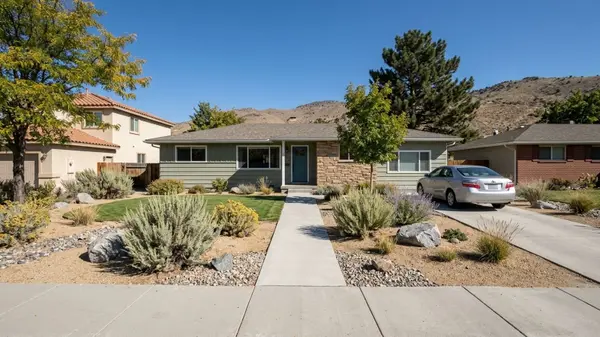
One of the most common questions I get is, "Where can I find a house in my budget?" Reno’s geography dictates price just as much as square footage does. If you are looking for entry-level or affordable options, look north. Areas like the North Valleys (Stead, Lemmon Valley) and parts of Sparks offer homes in the $430,000 to $500,000 range. These areas are growing fast and offer good value if you don't mind a slightly longer commute into downtown.
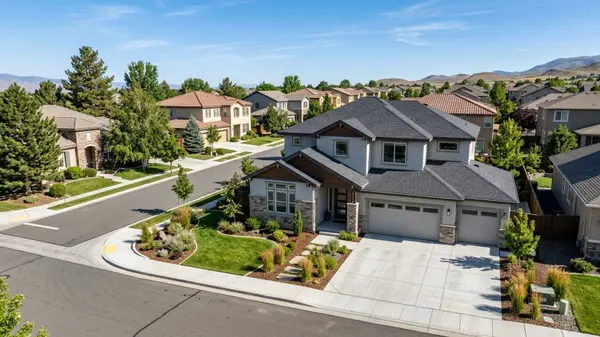
For a mid-range budget, neighborhoods like Northwest Reno, Donner Springs, and Damonte Ranch are solid bets. Prices here generally run from $500,000 to $750,000. These communities often strike a balance between amenities and price, offering established parks and convenient shopping centers.
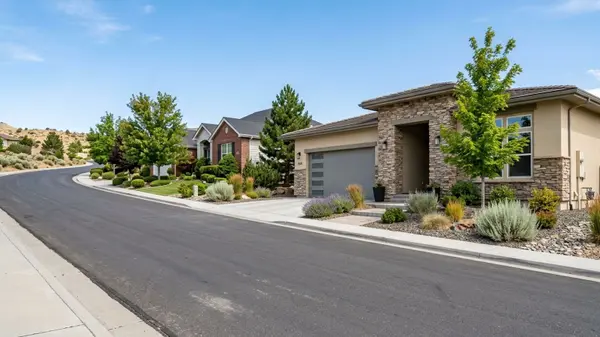
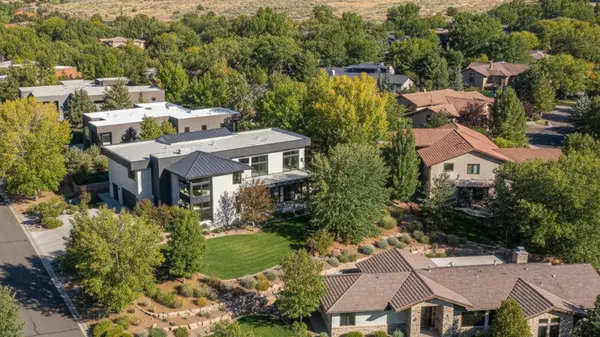
If you are in the market for luxury, South Reno is where you will likely end up looking. Communities like Montreux, Arrowcreek, and Caughlin Ranch feature prices starting around $900,000 and easily climbing well over $2,000,000. Here, you are paying for lifestyle elements—gated entries, golf course access, and sweeping mountain views.
Beyond the Mortgage: Taxes, HOAs, and Utilities
The mortgage check isn't the only one you will write every month. One of the biggest perks of living here is the property tax structure. In Washoe County, the assessed value is only 35% of the market value, not 100%. The tax rate is roughly $3.66 per $100 of that assessed value. In plain English, the effective tax rate is usually around 1.13% to 1.18% of your home's value. Even better, Nevada has a tax cap that prevents your property taxes from rising more than 3% per year for your primary residence.
HOA fees are prevalent here, especially in master-planned communities like Somersett or Double Diamond. While you can find older neighborhoods with zero HOA fees, most newer developments will charge anywhere from $150 to $300+ per month. If you are looking at condos, that number can jump to $400 or more to cover exterior maintenance and amenities.
Don't forget utilities and insurance. Our high-desert climate means hot summers and cold winters, so heating and cooling bills can fluctuate. Also, wildfire risk is a real factor in Northern Nevada. Before you fall in love with a home tucked into the foothills, check the insurance premiums. Homes in high-risk zones can have significantly higher rates than those on the valley floor.
How Much Income Do You Need to Buy in Reno?
Let’s talk real numbers. If we assume a median home price of roughly $550,000 and a mortgage rate around 6.3%, your monthly payment is going to vary heavily based on your down payment.
If you put 20% down, your principal and interest will be manageable, but if you are putting down 3.5% or 5%, you need to account for Private Mortgage Insurance (PMI). A realistic monthly budget for a median home—including taxes and insurance—is likely hovering around $3,500.
To comfortably afford that without being "house poor," you ideally want your housing costs to stay under 30% of your gross income. This means a household income of roughly $120,000 to $140,000 is often the baseline for buying a median-priced home in 2026. While wages in the area are growing, there is still an affordability gap for many locals, which is why exploring different neighborhoods and property types is so critical.
Reno Real Estate Forecast: What to Expect in 2026
So, is now a good time to buy? The general consensus for 2026 is one of stability. We aren't expecting a massive boom, but we also aren't expecting a crash. Most forecasts predict modest appreciation of 2% to 5% this year.
This makes 2026 an "opportunity year." You aren't fighting off twenty other buyers for every listing, but values are still projected to grow slowly, protecting your investment. The influx of residents moving from California continues to support demand, but the pace has slowed to a more manageable rhythm compared to the pandemic years. If you find a home you love, the data suggests it's a safe time to lock it in.
Frequently Asked Questions About Reno Home Costs
What is the average price of a house in Reno, NV right now?
As of early 2026, the median sales price for a home in Reno is approximately $554,000. This number gives a more accurate representation of the market than the average price, which can be skewed high by luxury sales.
Is it expensive to buy a house in Reno?
Compared to the national average, Reno is more expensive, but it remains significantly more affordable than most California metropolitan areas. While the cost of living is slightly higher than the national baseline, the lack of state income tax helps offset these costs for many residents.
What are the property taxes on a $500,000 home in Reno?
Property taxes in Nevada are calculated on 35% of the taxable value, not the full market price. For a home with a taxable value of roughly $500,000, you can generally expect to pay around $5,500 to $6,000 per year without exemptions, depending on the specific tax district.
Will Reno home prices go down in 2026?
Current market trends do not suggest a drop in prices. Instead, forecasts indicate a stable market with modest growth of 2% to 5% over this year. The market has normalized, making it a stable environment for buyers rather than a volatile one.Categories
Recent Posts