Building Your Dream Home in Reno: The 2026 Guide
Building Your Dream Home in Reno: The 2026 Guide
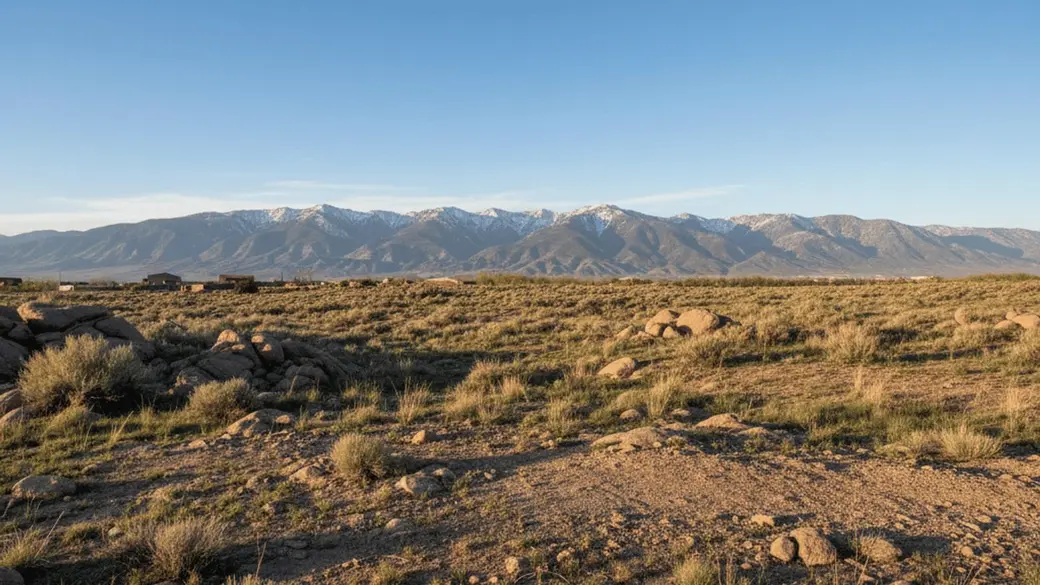
So, you’re thinking about taking the plunge and building a custom home in Northern Nevada. It’s a dream for many of us—waking up to views of the Sierra Nevada, enjoying those tax benefits, and living in a space designed exactly for your lifestyle. Whether you are moving to Reno from out of state or just upgrading locally, the appeal of starting from scratch is undeniable.
However, as any local industry pro will tell you, building a custom home here is a marathon, not a sprint. If you are starting this process in February 2026, you need to be prepared for a timeline that often stretches 12 months or longer from the day you buy dirt to the day you move in. While material costs have stabilized a bit compared to recent years, the demand for skilled labor is still very high.
This guide is designed to walk you through the reality of the process, from finding that perfect lot in the high desert to passing your final inspection.
Step 1: Budgeting and Financing Your Reno Build
Before we look at floor plans, we have to talk about numbers. Building in Northern Nevada requires a different financial approach than buying an existing resale home. You aren't just paying for the house; you are paying for the "hard costs" (the lumber, concrete, and labor) and the "soft costs" (architect fees, permits, and soil engineering).
Most people finance this through a construction-to-permanent loan. This is a short-term loan that pays the builder in "draws" as they complete stages of work, which then converts into a standard mortgage once the house is finished. If you already own the land, you can often use its equity as your down payment.
When you are sketching out your budget, keep a hefty contingency fund—usually 10% to 20% of your total budget. In construction, surprises are guaranteed, and you want to be ready for them.
Here is a realistic look at what you might spend in the current 2026 market:
- Custom Home Construction: Generally ranges from $300 to $600+ per square foot. This covers everything from semi-custom builds to high-end finishes.
- Luxury Builds: If you are building in premier areas like Arrowcreek or Montreux, costs can easily exceed $800 per square foot.
- Land Costs: Decent plots usually fall between $150,000 and $400,000, depending heavily on views and utilities.
It is always smart to compare these numbers against the general cost of a home to see if building truly aligns with your long-term financial goals.
Step 2: Finding the Perfect Lot in Washoe County
Finding land for sale in Reno is about more than just the view. The first thing you need to determine is the jurisdiction. Are you in the City of Reno, the City of Sparks, or unincorporated Washoe County? This matters because it dictates which zoning codes apply to you and who provides your services.
Topography is a massive factor here. We have beautiful hills, but building on them triggers "hillside ordinances." These regulations require extensive engineering and grading, which drives up site preparation costs significantly. You also need to look closely at utilities. A lot in the city usually has easy access to sewer and water, but if you go further out, you will be dealing with septic systems and wells. Always check for a "will-serve" letter from utility providers to ensure you can actually get power and water to the site.
There is also the issue of what lies beneath the surface.
- Rock Excavation: Reno soil is notoriously rocky. Hitting solid granite during excavation is common and can add $10,000 to $50,000 to your site prep bill.
- Easements: Check title reports for access rights to ensure your driveway doesn't cross a neighbor’s property line illegally.
If you aren't sure where to look, browsing a guide to the best neighborhoods in Reno can help you identify which areas have open lots that match your lifestyle. You might also consider looking into new home developments in Reno, NV for pre-prepared lots.
Step 3: Designing Your Home and Assembling a Team
Once you have the land, you need a team. You generally have two paths: hiring a General Contractor (GC) or acting as an owner-builder.
If you hire a GC, you are paying for their connections, their crew management, and their liability insurance. They handle the headaches. If you choose to design the home yourself or work with an architect, make sure they understand our high desert climate. You want a home that is energy efficient enough to handle 100-degree summers and freezing winters.
The Owner-Builder Route
Some people choose to manage the project themselves to save on the builder's fee. If you go this route, you must navigate the owner builder requirements in Washoe County carefully. Under Nevada law (NRS 624), you are allowed to build your own single-family residence without a contractor's license, but there are strict rules:
- The Affidavit: You must sign an "Owner-Builder Affidavit of Exemption."
- Primary Residence: You must intend to live in the home solely for your own occupancy.
- One-Year Rule: You cannot sell or lease the home for at least one year after the project is completed.
This isn't a loophole for flipping houses; it is a legal pathway for people who genuinely want to build their own home.
Step 4: Navigating Permits and Zoning in Reno
This is the stage where patience is your best asset. The permitting process involves submitting your architectural and engineering plans to the building department for review. They will check everything from structural integrity to energy codes. You will almost certainly receive "corrections"—notes on things that need to be fixed before the permit is issued.
The fees can add up quickly. Beyond the standard building permit fees, you will likely encounter Regional Transportation Commission (RTC) fees (often called impact fees) and sewer connection charges. These help pay for the infrastructure your new home will utilize.
- Jurisdiction: Double-check if you are submitting to the City of Reno, Sparks, or Washoe County. They are separate entities with different offices.
- Timeline: In 2026, you should plan for the permitting phase alone to take 2 to 4 months.
- Impact Fees: RTC fees vary by zone, so check the current Regional Road Impact Fee (RRIF) schedule to avoid sticker shock. For details on related expenses, you can also review information on Reno, NV property tax.
Step 5: The Construction Phase (Timeline & Weather)
Now, the fun part: breaking ground. A typical custom build here takes 8 to 12 months of actual construction time, not counting the months you spent on design and permits.
The timeline is heavily dictated by the seasons. In Northern Nevada, we have what builders call the "Winter Window." Grading and pouring concrete foundations becomes difficult or impossible between November and March due to frozen ground or mud. If you don't get your foundation in before the freeze, your project might sit stalled until spring.
Once the frame is up, you have to deal with the wind. The "Washoe Zephyr"—our famous afternoon winds—can be intense. Building codes here require strict bracing to ensure your frame can withstand high wind loads.
- Site Prep: This is grading the dirt and pouring the foundation.
- Framing to Dry-In: Getting the roof and siding on is a race against the weather to protect the wood structure.
- Systems and Finish: This includes electrical, plumbing, drywall, and cabinetry.
Step 6: Inspections and Move-In
As construction progresses, you will have a series of required inspections. You cannot just build the whole thing and check it at the end; the inspector needs to see the foundation rebar before concrete is poured, the wiring before the drywall goes up, and the framing before insulation hides it.
Key milestones include the foundation inspection, the "4-way" inspection (framing, electrical, plumbing, mechanical), and the final inspection. Once you pass the final, the building department issues a Certificate of Occupancy (C of O). This is the legal document that says the house is safe to inhabit.
Before you move your furniture in, do a thorough walk-through with your builder to create a "punch list" of minor cosmetic items that need touching up. This is also the time to understand your warranty coverage. For general information on local real estate investing in Reno, NV, you might be interested in this guide.
Frequently Asked Questions About Building in Reno
How much does it cost to build a custom home in Reno in 2026?
Costs generally range from $300 to $600 per square foot for a standard custom home. However, luxury builds in exclusive gated communities can easily exceed $800 per square foot, not including the price of the land.
Can I build my own house in Nevada without a contractor license?
Yes, you can act as an owner-builder under NRS 624 by signing an affidavit of exemption. However, you must reside in the home as your primary residence and you are prohibited from selling or leasing it for at least one year after completion.
How long does it take to get a building permit in Reno?
Currently, the permitting process takes about 2 to 4 months from submission to issuance. This timeline can vary depending on the complexity of your plans and the backlog at the building department (City of Reno, Sparks, or Washoe County).
What is the average price of land in Reno?
You can expect to pay between $150,000 and $400,000 for a buildable lot in a desirable area. Prices fluctuate significantly based on the neighborhood, views, utility access, and how much site preparation (grading/rock removal) is required.
Categories
Recent Posts