Reno vs. Sparks: Choosing Your Spot in the Truckee Meadows
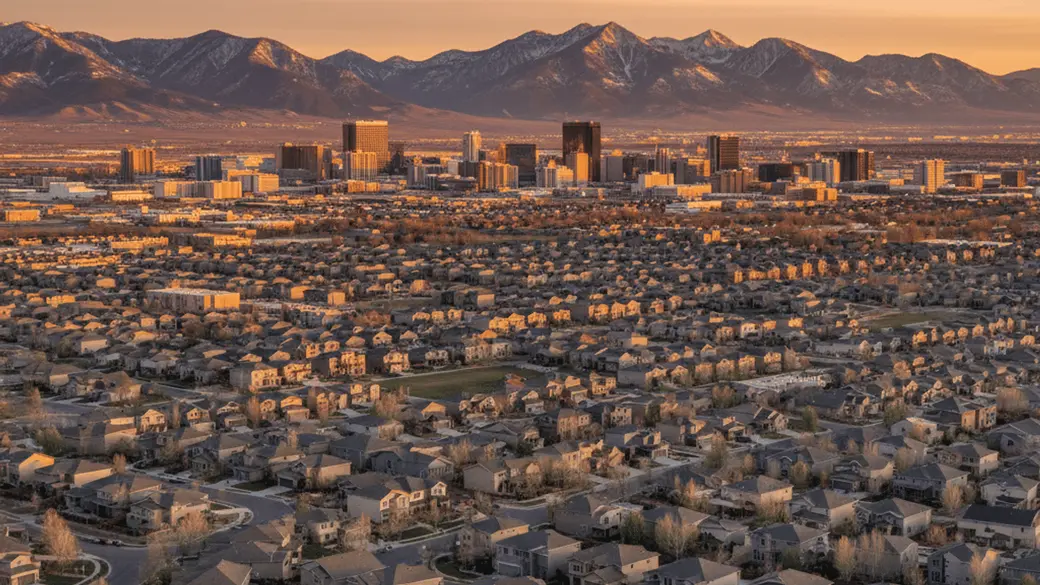
If you are looking at a map of Northern Nevada from a distance, Reno and Sparks might look like two separate dots. But once you’re on the ground here in the Truckee Meadows, you’ll realize the "Twin Cities" blend together almost seamlessly. For many locals, the border is invisible—you might live in Sparks but grab dinner in Reno, or live in Reno and head to Sparks for your weekend shopping.
However, while they share a valley and a tax structure, they have very distinct personalities. Reno, often called the "Biggest Little City," brings the historic charm, the urban grit, and the vibrant nightlife. Sparks, known as the "Rail City," tends to feel more master-planned, suburban, and event-focused. Both offer the incredible perks of living in Northern Nevada—including no state income tax and proximity to the outdoors—but the day-to-day vibe is different enough that you’ll want to choose carefully.
Housing Market Comparison: Renting and Buying
When you start digging into the numbers, you’ll see that price points between the two cities are often neck-and-neck. The real difference isn’t usually how much you pay, but what you get for your money.
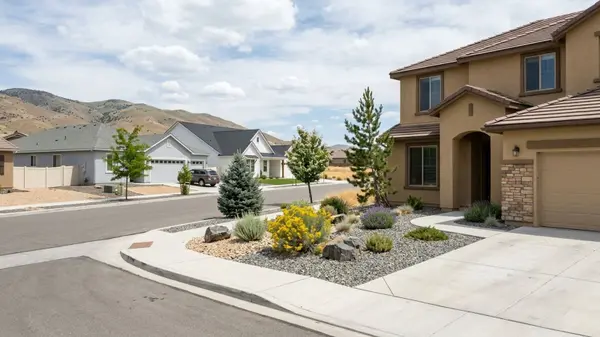
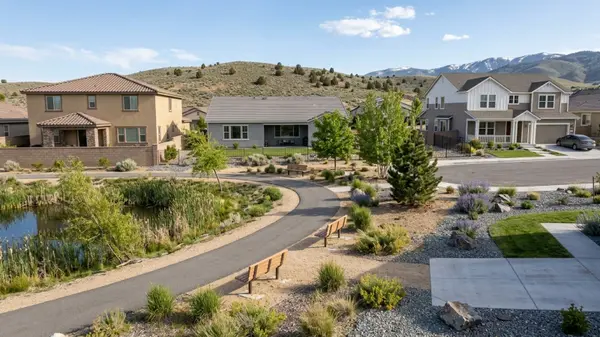
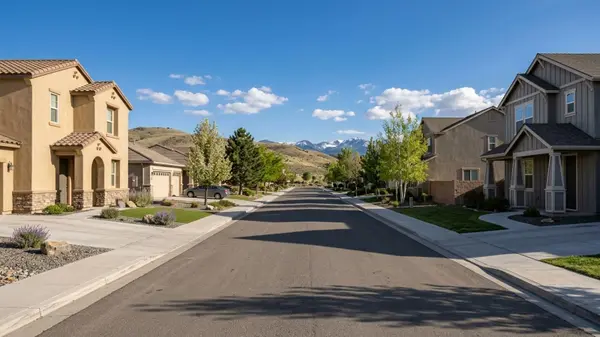
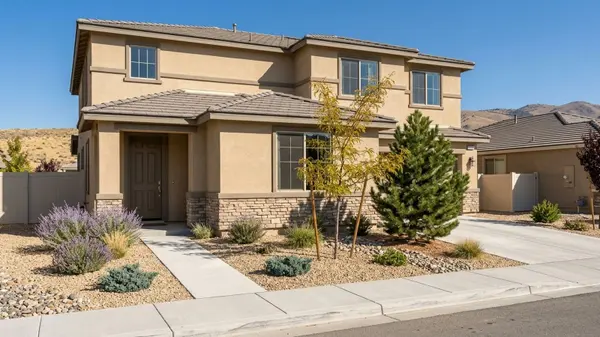
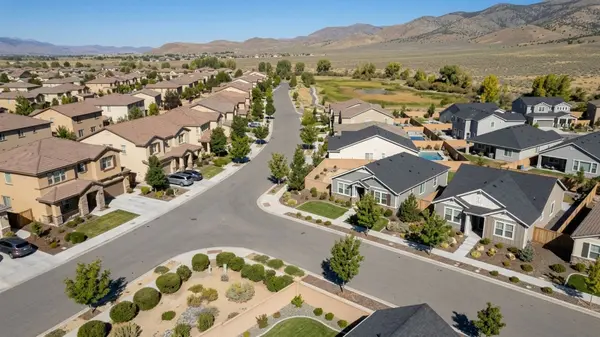
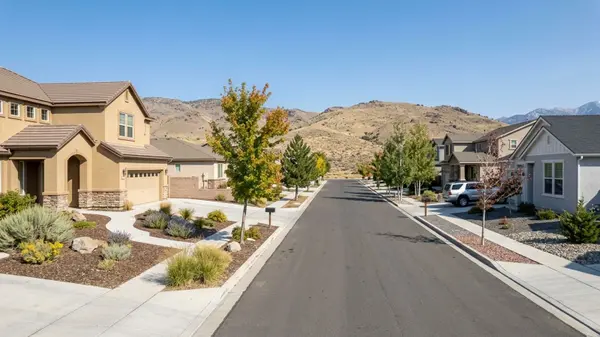
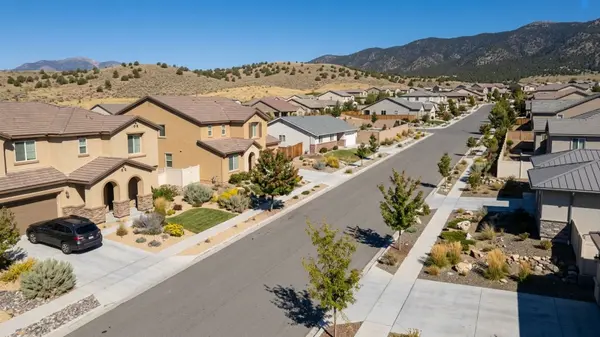
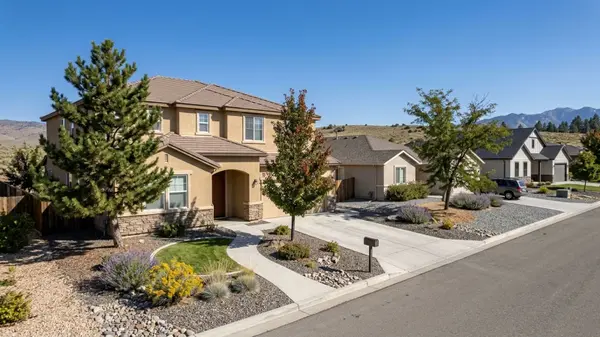
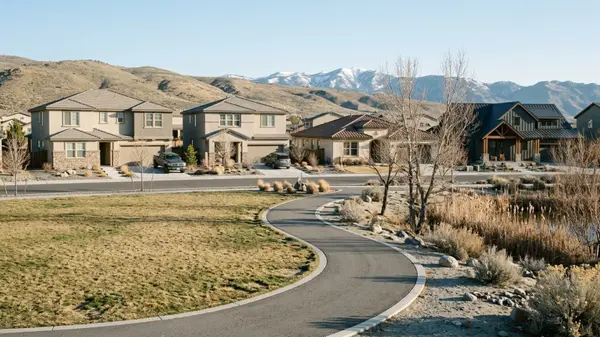
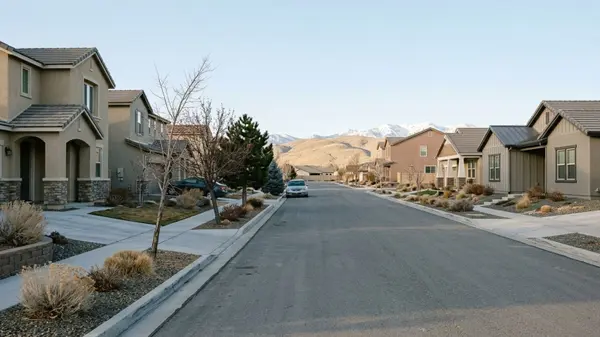
In the Reno housing market, inventory is incredibly diverse. You have the historic brick homes in the Old Southwest, modern infill condos in Midtown, and sprawling luxury builds up in Somersett. In contrast, Sparks real estate is largely defined by newer inventory. If you are driving through areas like Spanish Springs, you are going to see a lot of contemporary tract housing, three-car garages, and master-planned communities built in the last 10 to 20 years.
What Your Money Buys
Recent trends usually place the median home price for both cities in the $545,000 to $575,000 range. However, that money spends differently depending on your zip code:
- In Reno: You are often paying for location. You might get a slightly smaller or older home, but you are buying proximity to the university, the river, or the arts district.
- In Sparks: You are often paying for square footage and "newness." It is common to find a larger home with modern amenities for the same price as a fixer-upper in a central Reno neighborhood.
The rental market follows a similar split. Reno has a higher density of apartment complexes, high-rises, and converted studios, making it the go-to for people who want to be in the mix. Sparks offers more single-family home rentals, which appeals to households looking for a quiet street and a backyard rather than a lobby and an elevator.
Cost of Living Breakdown
Because Reno and Sparks are both in Washoe County, your foundational costs are going to be identical. You are looking at the same property tax rates, the same sales tax, and the same utility providers (NV Energy and TMWA) regardless of which side of the city line you sleep on.
Where the cost of living diverges is in your daily logistics, specifically transportation. If you are moving here to work at the Tahoe-Reno Industrial Center (TRIC)—home to giants like Tesla and Switch—living in Sparks can save you significant money on gas and wear-and-tear on your car. Conversely, if your life revolves around the University of Nevada, Reno (UNR) or the downtown medical corridors, living in West Reno keeps your commute costs down.
Day-to-day spending can also fluctuate based on lifestyle. Reno is home to a higher concentration of boutique dining, craft cocktail bars, and premium services. It is easy for your "entertainment budget" to creep up when you are within walking distance of Midtown’s trendy spots. Sparks has plenty of dining and shopping, but it tends to be more big-box and chain-oriented, which can sometimes be easier on the monthly budget.
Lifestyle, Nightlife, and Dining
This is where the "vibe check" really happens. Reno is the energetic older sibling. It is the hub for 24-hour gaming, sure, but it has evolved well beyond that. The Riverwalk District and Midtown are packed with indie coffee shops, murals, and the local art culture driven by organizations like The Holland Project and the Nevada Museum of Art. If you want to walk out your door and stumble into a festival or a sushi bar, moving to Reno is likely your move.
Sparks, on the other hand, is famous for hosting massive, organized community events. Victorian Square is the heart of the city, hosting the Best in the West Nugget Rib Cook-off and the classic car cruising of Hot August Nights. It feels less like a 24-hour city and more like a structured community.
- Reno Dining: diverse culinary scenes, farm-to-table bistros, and all-you-can-eat sushi spots on every corner.
- Sparks Dining: anchored by The Outlets at Legends, featuring popular chains, emerging local spots, and destination retail like Scheels.
Outdoor Recreation and Parks
You can’t talk about living in Northern Nevada without talking about the outdoors. Both cities offer great access, but they lean in different directions.
Reno is physically closer to the mountains. If you are a skier or snowboarder, living in South or West Reno cuts 15 to 20 minutes off your drive to Mt. Rose or the California border. Reno also has the Truckee River running right through the downtown core, which is a massive draw for kayakers, tubers, and fly fishermen in the summer.
Sparks has its own outdoor gems. The Sparks Marina is a massive draw—a 77-acre lake surrounded by walking paths, beaches, and paddleboard rentals. It is a daily destination for residents in the area. Sparks is also home to the Golden Eagle Regional Park, one of the largest sports complexes in the country. Additionally, if you prefer high-desert solitude, Sparks is your gateway to Pyramid Lake to the north.
Commute Times and Traffic Patterns
For many relocators, the commute is the deciding factor. The two cities are connected primarily by I-80 (running East-West) and McCarran Blvd, which forms a ring road around the entire metro area.
If you are working at the Tahoe-Reno Industrial Center (TRIC), Sparks is undeniably more convenient. The commute from a Sparks neighborhood to TRIC is often a smooth 20 minutes east on I-80. Compare that to living in Northwest Reno, where you might be looking at a 35 to 45-minute drive, significantly impacted by rush hour traffic.
Traffic bottlenecks are specific to each area. In Reno, the "Spaghetti Bowl" (the interchange of I-80 and US-395/I-580) is the notorious pinch point. In Sparks, the Pyramid Highway can get very congested during peak hours as it feeds the rapidly growing neighborhoods in Spanish Springs.
Education and Schools
When looking at schools, it is important to know that both cities are served by the same entity: the Washoe County School District (WCSD). This means curriculum, administration, and resources are centralized. You don’t have to worry about crossing city lines into a "different" school system.
The atmosphere of education differs slightly by location. Reno is home to the University of Nevada, Reno (UNR), which gives the northern part of the city a distinct collegiate atmosphere filled with students and faculty.
Because school zoning is strictly geographic, homebuyers often choose their specific neighborhood based on the high school zone they want to be in, whether that is Reno High, Damonte Ranch, Reed High, or Spanish Springs High. Rather than looking at "Reno vs. Sparks" for education, it is smarter to look at the specific cluster of schools attached to the subdivision you are interested in.
Which City Fits Your Lifestyle?
Ultimately, there is no "better" option, only the one that fits your daily rhythm.
You should probably choose Reno if you love historic architecture, want high walkability to coffee shops and bars, prioritize quick access to skiing at Lake Tahoe, or crave an active urban environment. It is the choice for those who want a little bit of grit and a lot of culture.
On the other hand, you should choose Sparks if you prefer newer construction with modern floor plans, enjoy master-planned neighborhoods with wide streets, or work at the Industrial Center and want a short commute. It is often the choice for those who want a quieter evening atmosphere and easy access to big community events.
Frequently Asked Questions
Is it cheaper to live in Reno or Sparks?
Generally, the cost of living is very comparable between the two. While median home prices are similar, you will often find that your dollar buys a newer, slightly larger home in Sparks compared to Reno, where you are paying a premium for central location and land scarcity.
How far is Sparks NV from Reno NV?
They are contiguous, meaning they touch each other. The distance is essentially zero miles; you can cross from downtown Reno into Sparks in just a few minutes via I-80 or surface streets like 4th Street and Prater Way.
Does it snow more in Reno or Sparks?
Reno tends to get slightly more snow accumulation, specifically in the western and southern foothills which sit at a higher elevation closer to the Sierra Nevada. Sparks sits firmly on the valley floor and often sees snow melt faster than the higher-elevation neighborhoods in Reno.
Which city is closer to Lake Tahoe?
Reno is physically closer to the mountain passes that lead to Lake Tahoe. From South Reno, you can be at the lake in about 35 to 40 minutes via the Mt. Rose Highway, whereas driving from Sparks will add another 15 to 20 minutes to your trip.
Categories
Recent Posts