Cost of Living in South Reno, NV: Home Prices and Monthly Bills (2026)
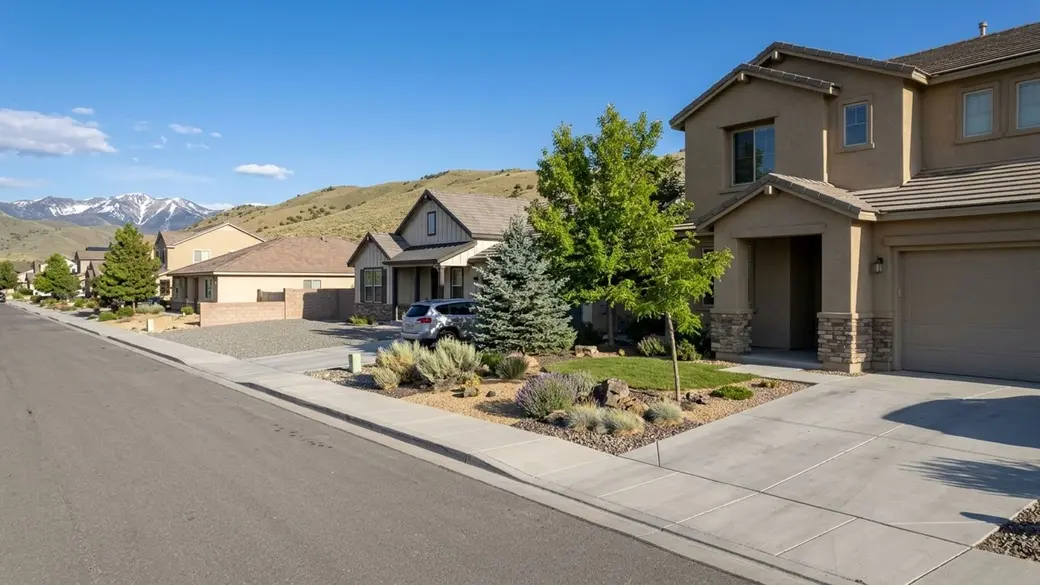
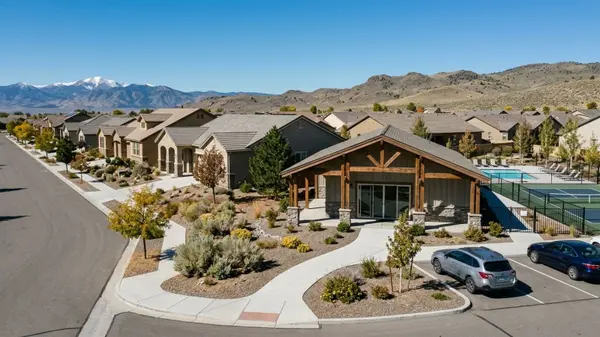
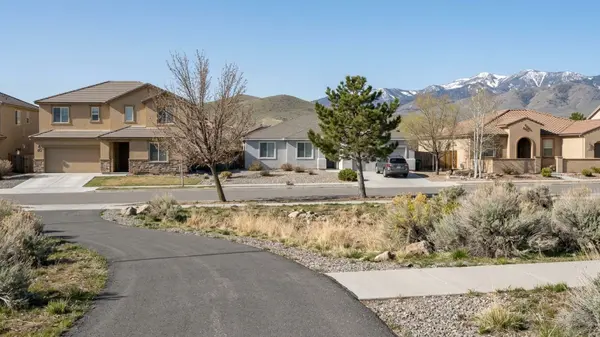
If you're budgeting for a move to northern Nevada, you need to know exactly what your dollars will buy. South Reno offers a mix of newer planned communities, older suburban streets, and higher-elevation foothill homes.
Figuring out your monthly budget here means looking past national averages and focusing on local property types. Your biggest expense will be housing, and whether you choose a detached house or a condo changes your financial picture more than any utility bill or tax rate.
Key Takeaway
South Reno's cost of living is driven by housing, and the biggest lever is buying a townhouse instead of a detached house. The median townhouse sold for about $269,000 less than the median single-family home in the 90 days ending September 30, 2026 (based on just 11 townhouse sales). If you need a lower purchase price still, condos are the alternative, and they sit on the market long enough to give you room to negotiate.
Who This Guide Is For
You're planning a move to or within South Reno and need to know what a home and the monthly bills will cost before you set a budget.
What Drives the Cost of Living in South Reno?
The property type you buy sets your cost of living here more than any monthly bill. The median townhouse sold for about $269,000 less than the median single-family home in the 90 days ending September 30, 2026. Townhouses sold for roughly 21% less per square foot than houses.
House prices climbed 8.1% over the past year while townhouse prices rose just 1.1%, though that townhouse figure rests on a small sample of only 11 sales. Because single-family house prices are rising faster, waiting to buy a detached house has cost buyers more than waiting on a townhouse. Everyday bills like utilities and the lack of a state income tax matter, but they don't outweigh the initial purchase decision.
You can review our South Reno housing market trends page for more detail on how these prices are shifting. If you're still deciding whether the area fits your needs, check out our guide on the pros and cons of living in South Reno. (Note: the information below is for educational purposes and is not financial advice.)
At a Glance
- All homes, South Reno (90 days ending 2026-09-30): median sale price $729,786, up 6.5% year over year; 244 homes sold; median $354 per sq ft
- All homes, South Reno (90 days ending 2026-09-30): 56 median days on market; 98.8% sale-to-list; 13.4% sold above list; 2.5 months of supply; 197 active listings
- Single-family homes (90 days ending 2026-09-30): median sale price $768,931, up 8.1% year over year; 210 sold; median $365 per sq ft
- Single-family homes (90 days ending 2026-09-30): 55 median days on market; 99% sale-to-list; 14.6% sold above list; 2.5 months of supply; 170 active listings
- Townhouses (90 days ending 2026-09-30, based on only 11 sales; treat with caution): median sale price $500,001, up 1.1% year over year; median $289 per sq ft
- Townhouses (90 days ending 2026-09-30, based on 11 sales): 55 median days on market; 97.8% sale-to-list; 9.1% sold above list; 3.2 months of supply; 12 active listings
- Condos (90 days ending 2026-09-30, based on only 23 sales; treat with caution): median sale price $453,987, up 8.6% year over year; median $307 per sq ft
- Condos (90 days ending 2026-09-30, based on 23 sales): 93 median days on market; 98.2% sale-to-list; 4.5% sold above list; 2.1 months of supply; 16 active listings
South Reno Home Prices by Property Type
Shopping for a home here is a direct trade-off between purchase price and lifestyle. Detached houses cost the most but come with private yards and no shared walls. Attached homes lower the entry price but introduce homeowners association oversight and closer neighbors.
How much negotiating room you have also depends on what you're trying to buy. Single-family homes move at a different pace than condos, and sellers price them accordingly. Here's how the different property types compare, and you can see our South Reno neighborhoods and prices by area page to see where these homes are located.
Single-Family Homes
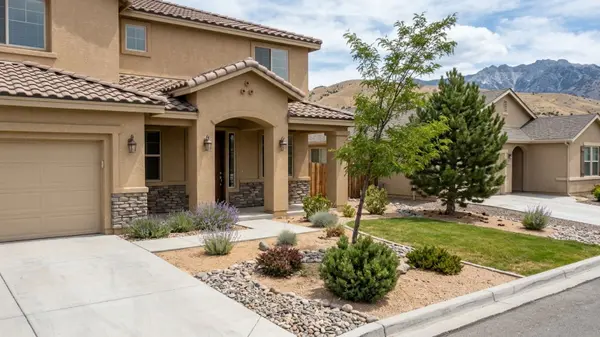
Detached houses make up the bulk of sales and leave the least room at the offer table. In the 90 days ending September 30, 2026, the median sale-to-list ratio for a single-family home was 99%. About one in seven South Reno houses (14.6%) sold for more than the asking price during that same period.
Plan to budget near the asking price and expect competition on well-priced homes. What you give up for the yard and private walls is cash: you'll likely pay close to or above asking, and your property tax and insurance will scale with that higher price.
Townhouses
South Reno townhouses sold for about 21% less per square foot than detached houses in the latest 90 days, and they offer a bit more negotiating room. At a 97.8% median sale-to-list ratio, a $500,000 list price works out to about $11,000 under asking.
This data rests on a small sample of just 11 sales, so verify this pattern against current listings. Inventory is thin: only a dozen were actively listed. HOA dues also come on top of your mortgage payment.
Condos
Condos provide the lowest entry price and the most time to negotiate. South Reno condos took about five weeks longer to sell than houses, sitting for a median of 93 days compared to 55 days for detached homes, and only 4.5% sold above the asking price in the latest 90-day window (based on 23 sales).
That extra time on the market gives you room to ask for price cuts or seller credits. The lower sticker price buys less space per dollar than a townhouse, HOA dues add to the monthly cost, and FHA financing depends on the specific complex's approval status. Ask your lender or check HUD's condo approval lookup to confirm whether a building qualifies.
Monthly Costs of Owning a Home in South Reno
The purchase price is only the first half of your housing budget. Once you close, your monthly carrying costs take over, and they vary widely depending on the type of home and its location. Mortgage rates, local property taxes, and insurance premiums all dictate what leaves your bank account every month. Townhouse and condo owners also have to factor in community dues.
A House vs. a Townhouse: Down Payment and Loan Comparison
Choosing a median-priced townhouse over a median-priced house in South Reno cuts the down payment by about $54,000. For a $768,931 median house, putting a standard 20% down requires $153,786 in cash, leaving a $615,145 loan. For a $500,001 median townhouse, that same down-payment percentage comes to $100,000, leaving a $400,001 loan. That gap means you borrow $215,144 less for the townhouse.
As of October 29, 2026, Freddie Mac reported the 30-year fixed-rate mortgage averaged 7.24%. For illustration only: at 7.24%, the principal and interest on the house loan is roughly $4,188 a month, while the townhouse loan is about $2,723 a month, a difference of over $1,400. These medians are not specific homes, this example excludes taxes, insurance, and HOA dues, and rates move weekly. The townhouse figure also rests on just 11 sales. Get a written loan estimate on an actual home before finalizing your budget.
Property Taxes
Washoe County taxes homes based on a district rate applied to a percentage of the property's taxable value. Under state law, the annual increase on an owner's primary residence is capped at 3% over the prior year's bill, which makes annual tax bills more predictable than in states without a cap.
The bill you inherit may not match what the seller paid. Confirm the parcel's specific tax district and how the cap applies after purchase with the Washoe County Assessor, especially on new construction.
HOA Dues and Special Assessments
Many South Reno homes sit in planned communities, and townhouse and condo buyers will almost always pay monthly association dues. These fees cover different items depending on the neighborhood, from exterior maintenance and master insurance policies to water and snow removal.
Ask the HOA for current dues in writing, exactly what they cover, the latest reserve study, and any pending special assessments. Separately, ask the title company or the Washoe County Treasurer whether the parcel carries a special assessment district (SAD) balance. Dues can rise, and a special assessment or SAD payment can add a cost that never appears in the listing price.
Homeowners Insurance
Wildfire exposure is an insurance factor in this area, particularly for foothill homes near open land. Premiums depend entirely on the exact address and the home's specific fire exposure, and waiting to quote insurance can disrupt your budget late in the process. Get at least two written quotes, including wildfire coverage, during your inspection period rather than waiting until after closing.
Renting in South Reno
Renting gives you time to learn the local neighborhoods without tying up cash in a down payment. Rental costs depend on the size of the unit and how new the complex is, and while HUD provides official benchmarks for the broader region, actual asking rents in this specific part of town can vary.
Rent in the Reno Area
HUD calculates Fair Market Rents for the entire Reno-Sparks metro area to guide housing programs. For fiscal year 2026, the Reno metro Fair Market Rents are $729 for a one-bedroom, $957 for a two-bedroom, and $1,168 for a three-bedroom unit. These figures act as a metro-wide benchmark rather than a direct reflection of South Reno asking rents, and newer South Reno rentals may ask more. Compare these figures against current local listings before finalizing your budget.
Renting vs. Buying in South Reno
Compare the HUD three-bedroom rent benchmark to the principal and interest figures in the worked example, and renting requires much less cash each month. Those mortgage figures also leave out property taxes, homeowners insurance, HOA dues, and maintenance costs. Renting avoids a down payment and closing costs entirely, though rent can rise at renewal and builds no equity. The Berman Group can pull current rents and recent townhouse sales for a side-by-side comparison tailored to your situation.
Everyday Costs in South Reno Beyond Housing
Once your housing payment is set, your daily living expenses come into play. Nevada's tax structure and the high desert climate shape these recurring bills, covering everything from your electric bill to what you pay when you register a car.
Utilities
NV Energy supplies electricity for northern Nevada, while Southwest Gas handles natural gas. As of late 2026, NV Energy's standard residential electric rate is roughly $0.11 per kilowatt-hour, and bills follow a seasonal pattern, peaking during winter heating and summer cooling months. Water is supplied separately by the Truckee Meadows Water Authority (TMWA). Larger detached homes cost more to heat and cool than an attached townhouse, so ask the seller for 12 months of NV Energy and TMWA bills before you commit to a property.
Groceries and Sales Tax
Nevada doesn't charge sales tax on unprepared groceries, which keeps weekly supermarket trips slightly more affordable compared to states that tax food. Washoe County applies its combined sales tax rate to most other goods, though, and the rate applies in full to big purchases like a car, restaurant meals, or furniture for a new home. That adds up quickly in a move year.
Transportation
South Reno is largely car-dependent, and registering a vehicle involves a flat state fee plus a governmental services tax based on the vehicle's depreciated value, starting at 35% of the original MSRP and dropping as the car ages. The funds support local governments, school districts, and state roads. The governmental services tax is highest on newer, more valuable vehicles, so registering a recent car after a move can cost more than expected.
Nevada Income Tax
Nevada has no personal state income tax, which means workers keep more of their gross paycheck compared to residents in neighboring states like California. That extra take-home pay can help offset some of the higher housing costs in the area. The state makes up this revenue through sales taxes and fees, so households that spend a lot on consumer goods will feel the impact there instead.
Which Home Type Fits Your Budget?
Choosing the right property comes down to balancing your available cash with your daily lifestyle. Does the down payment on a typical house in the worked example fit your savings? If not, focus your search on townhouses and condos.
Is a private yard with no shared walls and no HOA a firm requirement? Read the single-family homes section and plan to pay close to asking, then check property taxes and homeowners insurance for the carrying costs. Which matters more: the most square footage per dollar or the lowest purchase price? For space, start with townhouses. For the lowest entry price and more negotiating time, start with condos.
Finally, ask yourself whether you can live with monthly HOA dues and community rules. Read the HOA dues section before shortlisting any townhouse or condo, and always get the dues in writing. The Berman Group can compare specific listings across types to help you decide. If you're ready to start looking, check out our guide on choosing a buyer's agent.
South Reno Cost of Living FAQs
Are Homes in South Reno More Expensive than in Reno Overall?
Yes, homes here generally cost more. The median sale price for all homes in South Reno was $729,786 over the 90 days ending September 30, 2026. You should check current Reno-wide medians to see the exact percentage difference, as South Reno typically commands a premium over the broader city.
How Much Do You Need to Earn to Live Comfortably in South Reno?
For Washoe County in 2026, the MIT Living Wage Calculator lists a living wage of $24.62 per hour for one adult with no children, and $43.48 for one adult with one child. For two working adults with no children, the figure is $17.02 per hour each. This calculation assumes you're renting; buying a home at South Reno prices requires a higher income, as shown in the housing worked example.
What Is the Average Water Bill in South Reno?
As of 2026, the Truckee Meadows Water Authority (TMWA) states that a typical household using 8,800 gallons a month pays about $44.98. TMWA has proposed raising this to about $54.07 by 2029, pending board approval in March 2027. Summer landscape irrigation drives the higher months, so ask the seller for 12 months of TMWA bills to see the true seasonal cost.
Does South Reno Have Hard Water?
It depends on your exact neighborhood. TMWA doesn't publish a single hardness figure because the naturally occurring calcium and magnesium levels vary by location. Check TMWA's quarterly water-quality lookup tool for your specific address and ask the seller whether a water softener conveys with the home.
What Is the Crime Rate Like in South Reno?
South Reno spans both City of Reno limits and unincorporated Washoe County, meaning it's served by the Reno Police Department and the Washoe County Sheriff. You can compare crime rates per 1,000 residents by checking each agency's data and the FBI Crime Data Explorer. Confirm which agency covers a specific address to find the correct statistics.
What ZIP Codes Are Considered South Reno?
South Reno has no single official boundary, but it generally covers ZIP codes in the southern portion of the city. Because boundaries vary, confirm how a specific listing's area is defined in the MLS or on Redfin, since market figures change depending on the boundary used.
How Much Snow Does South Reno Get?
Reno averages 23.5 inches of snow annually, based on National Weather Service climate normals from 1971 to 2000. Most of this falls from early November through March, which increases heating costs and may require winter tires. Ask the HOA or neighbors who handles snow removal on private streets, as higher foothill streets can differ from the valley floor.
Is South Reno Getting a Costco?
There's no formal permit application for a South Reno Costco as of early 2026. Costco filed a pre-application meeting request with the City of Reno to discuss conceptual plans for a warehouse at South Virginia Street and Veterans Parkway, but city officials clarified that no official application has been submitted yet.
Sources
- Redfin: Data Center
- MIT Living Wage Calculator: Washoe County
- TMWA: Rate Information
- TMWA: Water Quality
- National Weather Service: Reno Climate Summary
- KOLO TV: New Costco Proposed in South Reno
- NV Energy: Pricing Plans
- Washoe County Assessor: Tax Cap/Abatement
- Nevada DMV: Registration Fees
- GlobeNewswire: Freddie Mac Mortgage Rates
- HUD: FY2026 Fair Market Rents
Categories
Recent Posts