Old Southwest Reno: The Historic Crown Jewel of the Biggest Little City
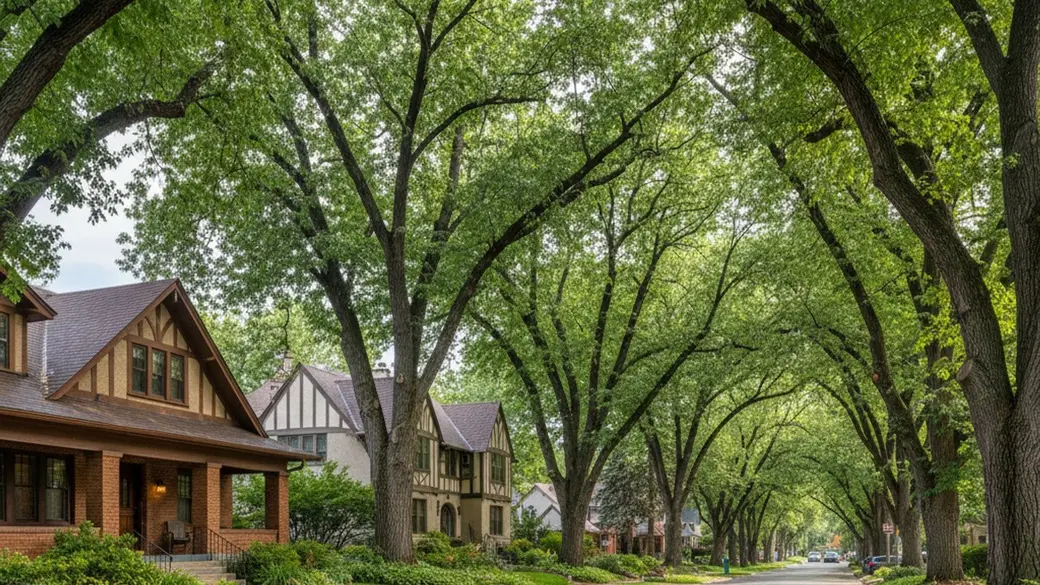
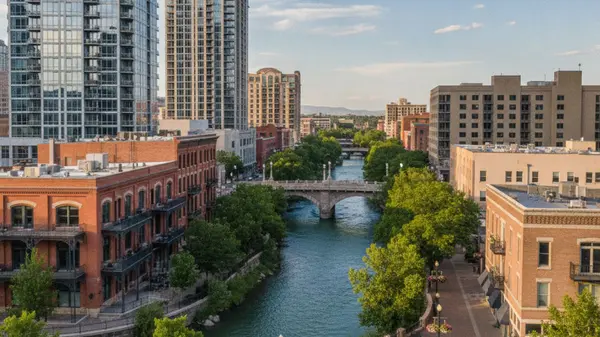
If you close your eyes and picture Reno, you might imagine neon lights, casinos, or the high-desert sprawl of new construction. But if you take a turn off the main drag and head toward the river, that image changes completely. Welcome to Old Southwest Reno, a neighborhood that feels more like a historic slice of San Francisco or a tree-lined street in the Midwest than the stereotypical Nevada desert.
This area is arguably the antithesis of the "neon casino" vibe. It is the mature, established heart of the city, nestled perfectly between the Truckee River to the north and Plumb Lane to the south. To the east, you have Arlington Avenue, and the neighborhood stretches west toward Skyline and Hunter Lake.
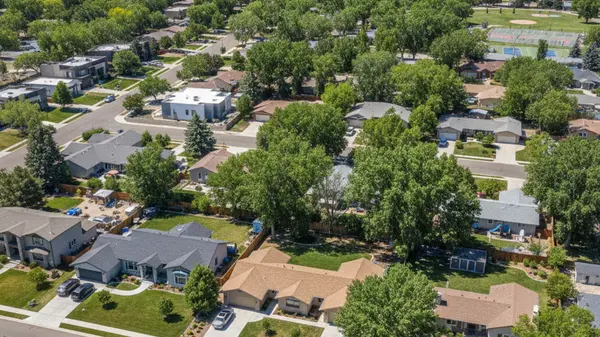
One of the first things you’ll notice here is the canopy. We’re talking about massive, 100-year-old elm trees that arch over the streets, creating a natural tunnel of shade that you just don't get in the newer developments. It’s not just about aesthetics, though; the lifestyle here is driven by a walkability score that hovers around 80/100. For residents, this means leaving the car in the driveway and walking to coffee shops, parks, and local markets is a daily reality, not just a weekend wish.
If you are looking for homes for sale in Old Southwest Reno, you aren't just buying square footage; you're buying into a lifestyle that prioritizes character over cookie-cutter convenience.
A Stroll Through History: Architecture & The Newlands District
To understand the real estate here, you have to look back at the timeline. Old Southwest Reno thrived when Reno was known as the "Divorce Capital of the World," decades before Las Vegas became a global destination. In the early 20th century, wealthy visitors and new residents demanded high-quality housing, and the result is a collection of architecture that is unique to this part of the state.
The crown jewel of this area is undoubtedly the Newlands Historic District. Named after Senator Francis G. Newlands, this specific enclave (generally located on the bluff overlooking the river) is where you’ll find the most prestigious addresses. It was developed largely between the 1920s and 1940s, and the preservation here is incredible.
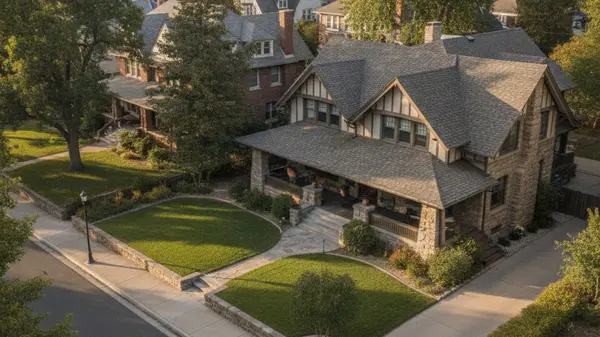
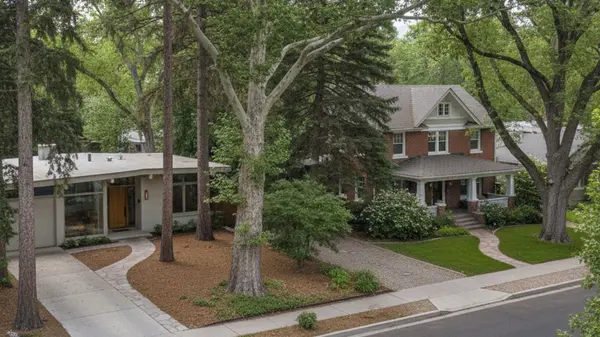
When you drive through these streets, you won’t see stucco tract homes. Instead, you’ll see a charming mix of styles:
-
Brick Bungalows: Sturdy, cozy, and packed with original wood detailing.
-
Tudor Revival: Steep rooflines and decorative timbering that feel straight out of an English storybook.
-
Colonial Revival and Mission Styles: Grand, stately homes that sit on elevated lots.
For buyers, this means you are looking at homes with "good bones"—hardwood floors, plaster walls, and built-ins that modern builders rarely replicate.
Parks, Recreation, and the Truckee River Connection
If the architecture is the heart of the neighborhood, the outdoor spaces are its lungs. Living in Old Southwest Reno means your "backyard" is often much bigger than your property lines.
The anchor of the community is Idlewild Park. Spanning 49 acres, this isn't just a patch of grass; it's a regional destination that locals treat as their private playground. It features a stunning Rose Garden, a train ride for the little ones, and vast ponds. It’s also the host of "Food Truck Fridays," a massive weekly community event where neighbors gather on blankets to eat, listen to music, and catch up.
Beyond the park, the connectivity here is unmatched. The Truckee River walking path borders the neighborhood, offering a direct artery for runners, cyclists, and dog walkers. In the summer, the "Tree-Lined Streets" we mentioned earlier do heavy lifting—literally cooling the neighborhood down by several degrees compared to the rest of the valley. It creates a microclimate that makes outdoor living pleasant even in July.
Dining & Culture: From Old Classics to MidTown Cool
One of the most frequent questions I get from people thinking about living in Reno is, "Where do the locals actually eat?" In the Old Southwest, you have a unique advantage: you are a quiet residential island sandwiched between two vibrant commercial hubs.
Right within the neighborhood, California Avenue serves as a micro-dining hub. A standout spot here is the Old Southwest Social House, a perfect example of the area's vibe—relaxed, community-focused, and high quality. It’s the kind of place where the bartender knows your name. You also have local staples like Mix Bakeshop for your morning pastry fix.
However, you are also just blocks away from the MidTown District. While Old Southwest is where you sleep, MidTown is often where you dine. It’s the trendy, gritty-cool center of Reno’s culinary renaissance. You can walk or bike to some of the best gastropubs and cocktail bars in the city, then retreat back to your quiet, tree-lined street. It’s a balance that appeals to buyers who want access to nightlife without having it right outside their bedroom window.
Old Southwest Reno Real Estate Market Trends
Let’s talk numbers and expectations. The real estate market in Old Southwest Reno behaves differently than the suburbs. Because the area is geographically locked in by the river and established roads, there is zero room for new sprawl. This scarcity drives demand.
Inventory here is a fascinating mix. You might find a 1,200-square-foot brick cottage listed down the street from a multi-million dollar mansion on the bluff in Newlands Manor.
-
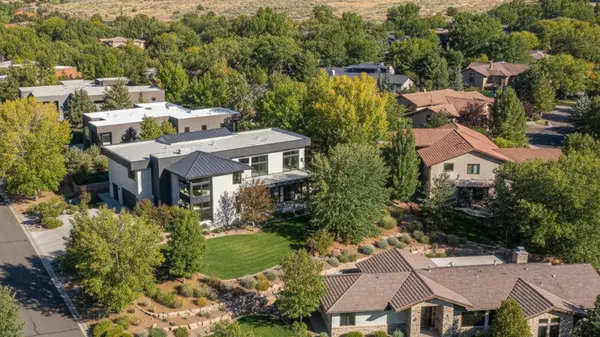
Lot Sizes: Unlike the uniform grids of newer subdivisions, lot sizes here vary wildly. Some homes sit on compact city lots, while others sprawl over generous, irregular parcels with mature landscaping.
-
Renovation Potential: A significant portion of the inventory is sold "as-is." We see many buyers looking for historic brick homes in Reno who are willing to put in the work to modernize kitchens and baths while preserving the historic shell.
-
The "Newlands" Premium: Be aware that if a home falls specifically within the Newlands Historic District boundaries, it often commands a higher price per square foot due to the prestige and historical protections associated with the name.
If you see a home pop up in this area that checks your boxes, you usually have to move fast. The combination of history, location, and that unreplicable "Old Reno" charm keeps this market competitive regardless of broader national trends.
Frequently Asked Questions About Old Southwest Reno
Is Old Southwest Reno safe?
Safety is often about the feeling of community, and this area is known for active neighbors and low-traffic residential streets. The strong presence of the neighborhood association, combined with well-lit streets and high resident engagement, creates a secure, established atmosphere where people look out for one another.
What are the boundaries of Old Southwest Reno?
While definitions can vary slightly, the generally accepted boundaries are the Truckee River to the north, Plumb Lane to the south, Arlington Avenue to the east, and extending west toward the Skyline and Hunter Lake areas.
Is Reno older than Las Vegas?
Yes, significantly. Reno was established in 1868, long before the Las Vegas boom. This history is exactly what you see in Old Southwest Reno—homes built in the 1920s and 30s reflect a mature city that was thriving while Vegas was still largely a dusty railroad stop.
What is the Newlands Historic District?
The Newlands Historic District is a specific, historically designated enclave within the broader Old Southwest neighborhood. It is characterized by grander architectural styles, larger lots, and strict preservation of its historic character, making it one of the most exclusive areas in the city.
Categories
Recent Posts